Fieldwork Pictures
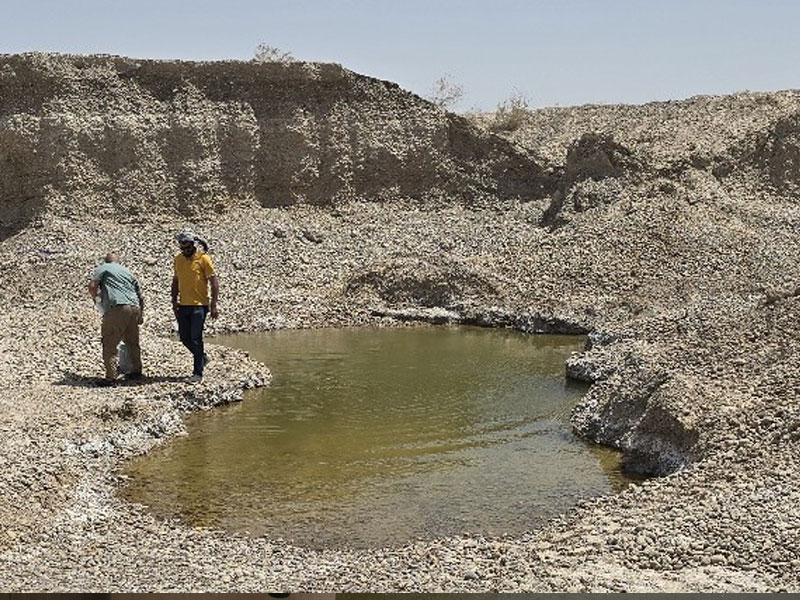
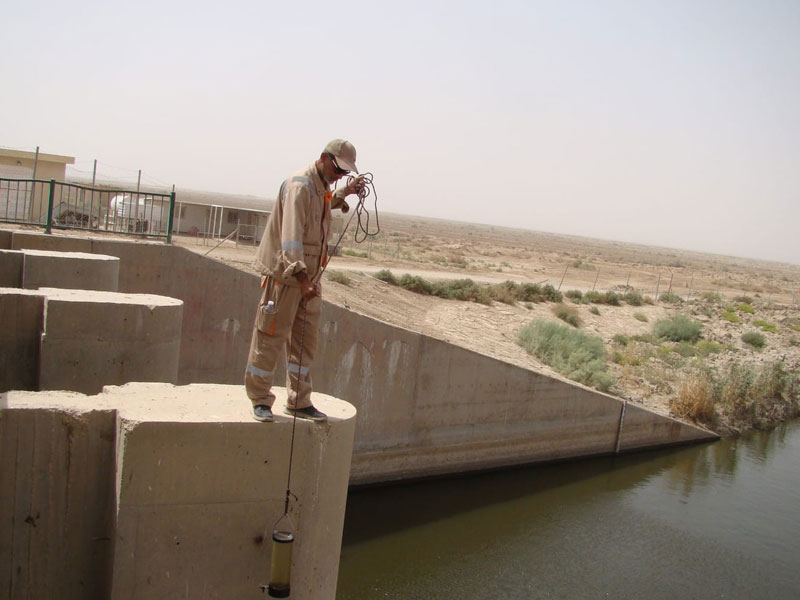
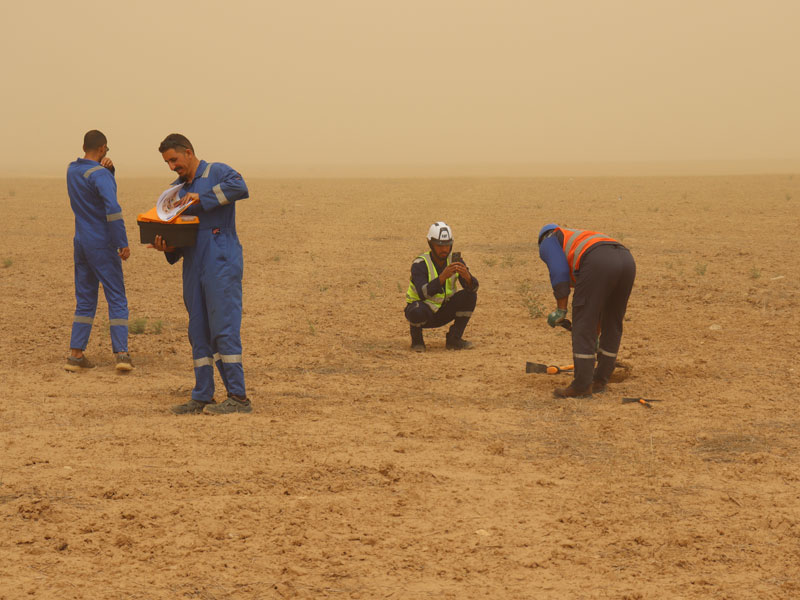
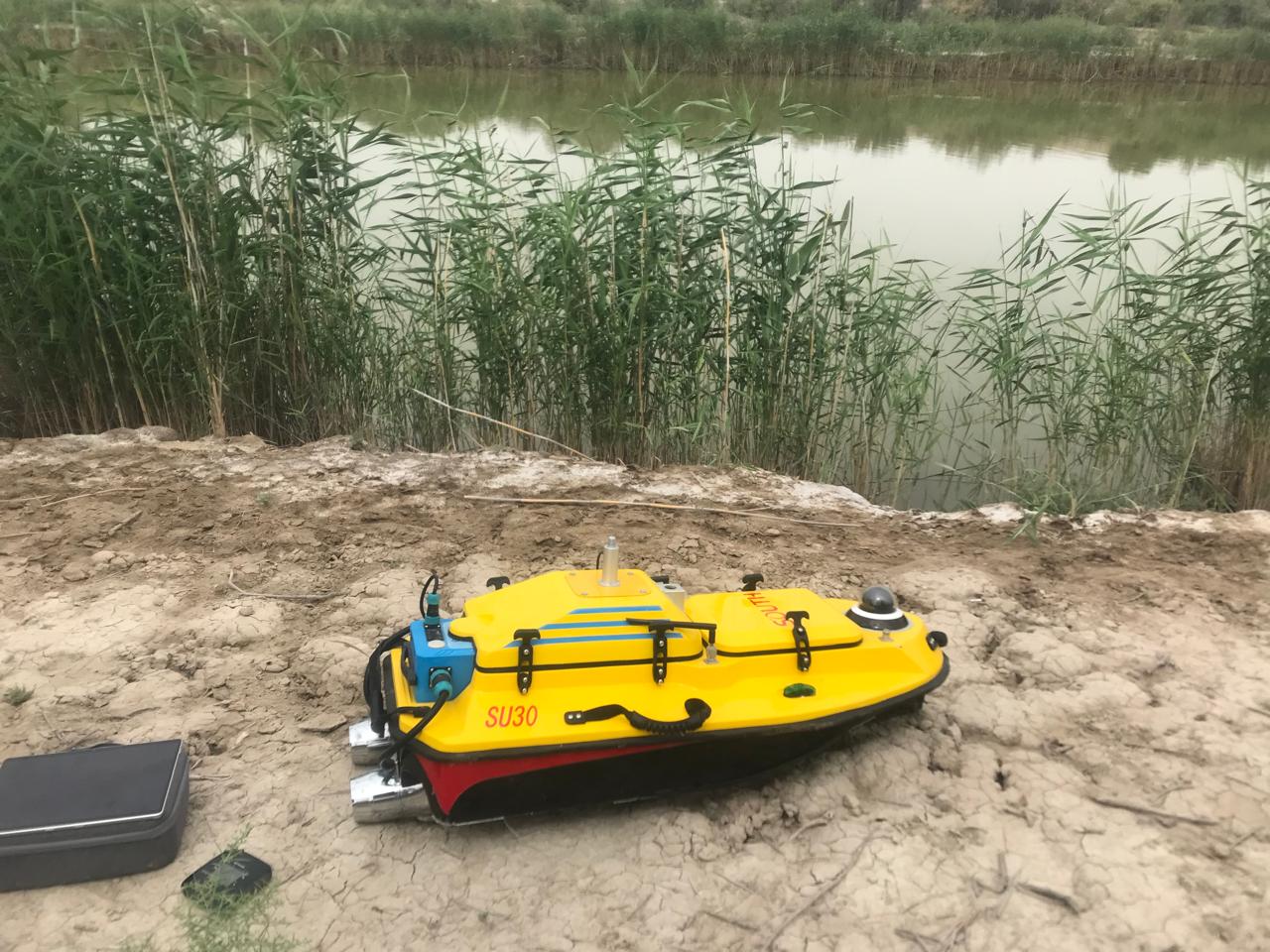
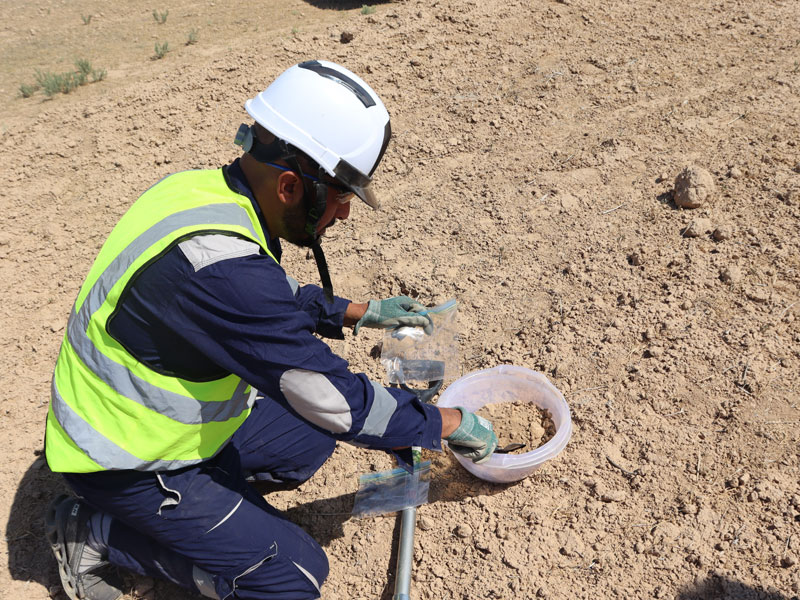
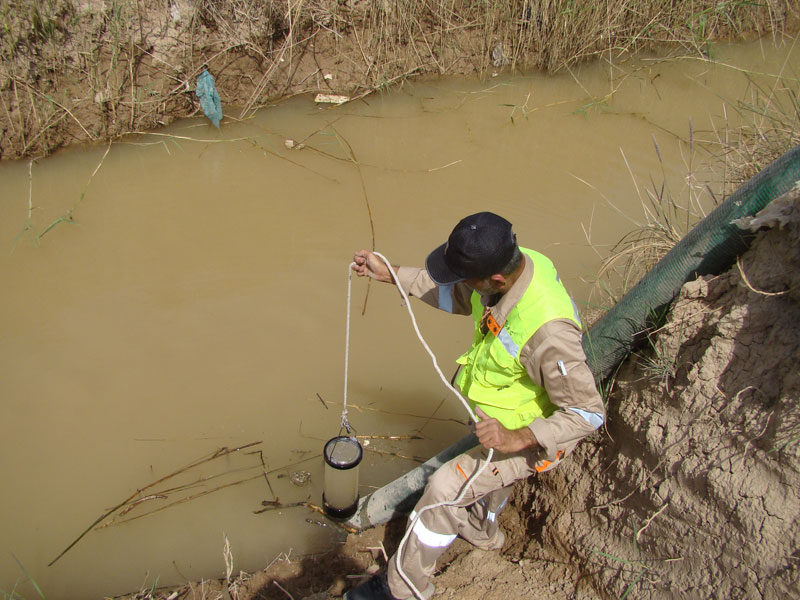
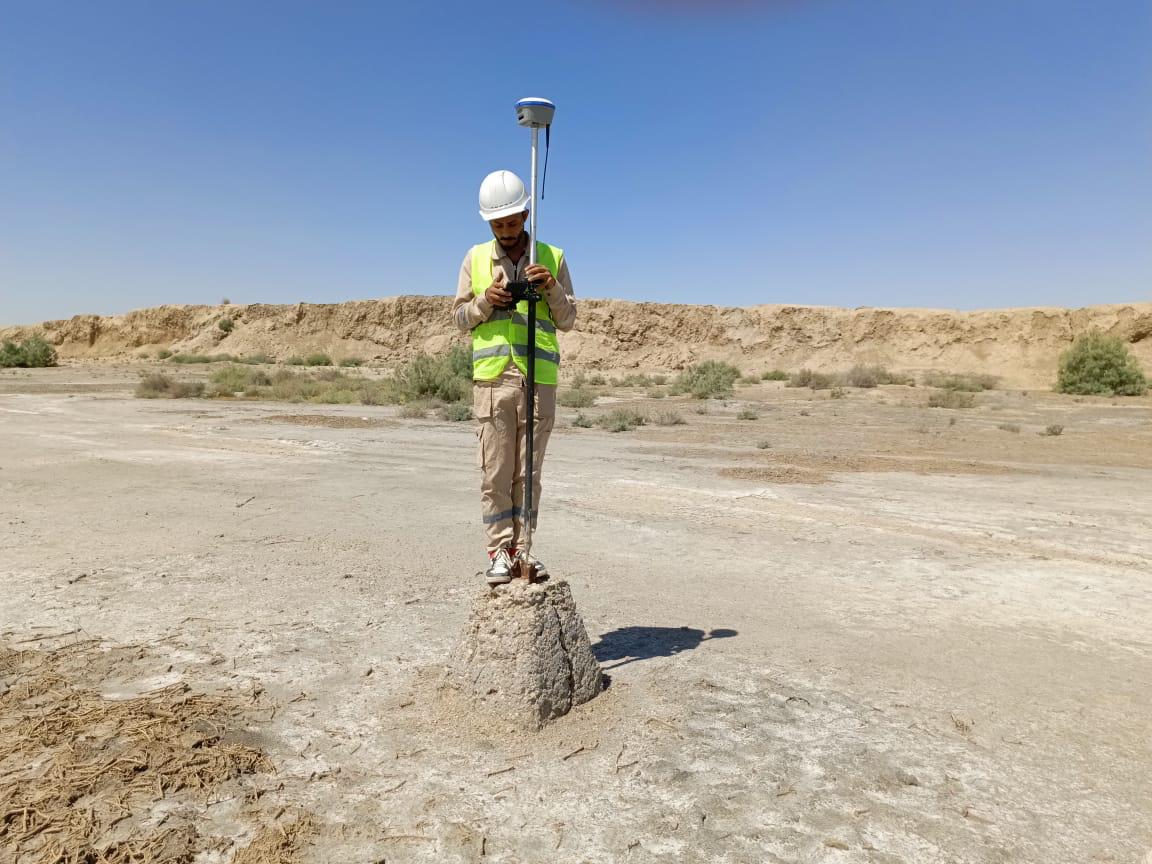
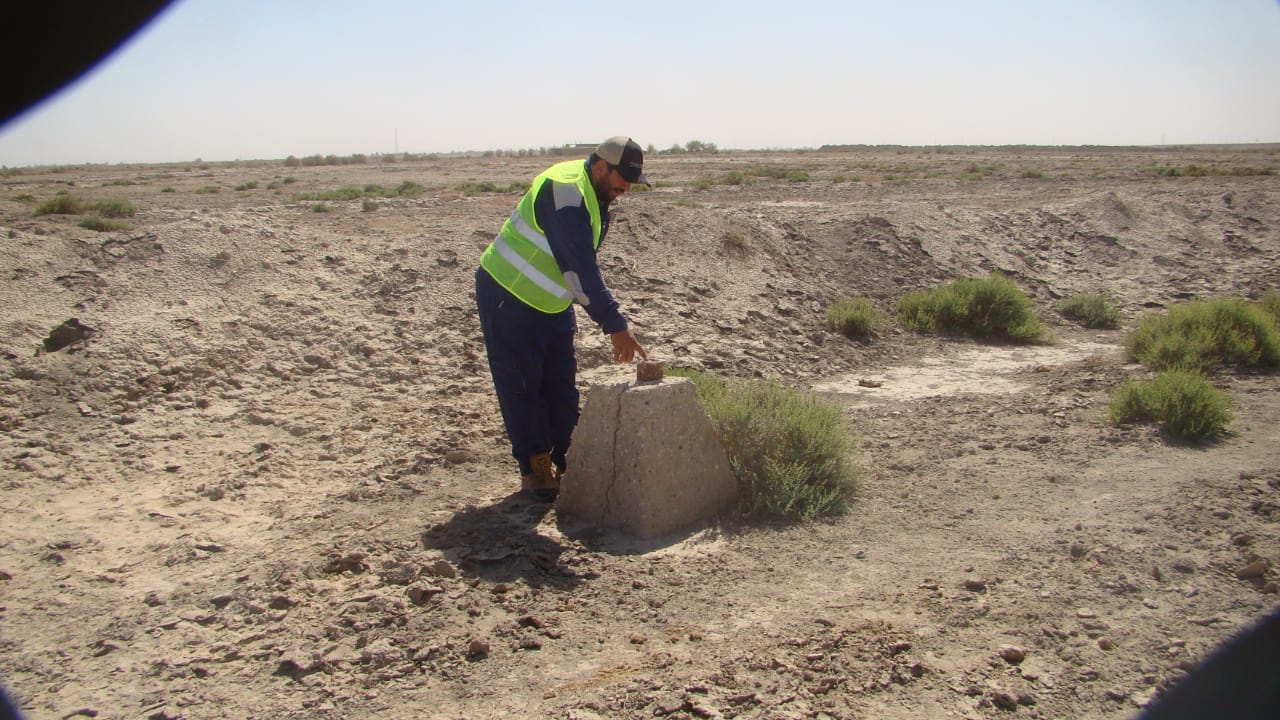
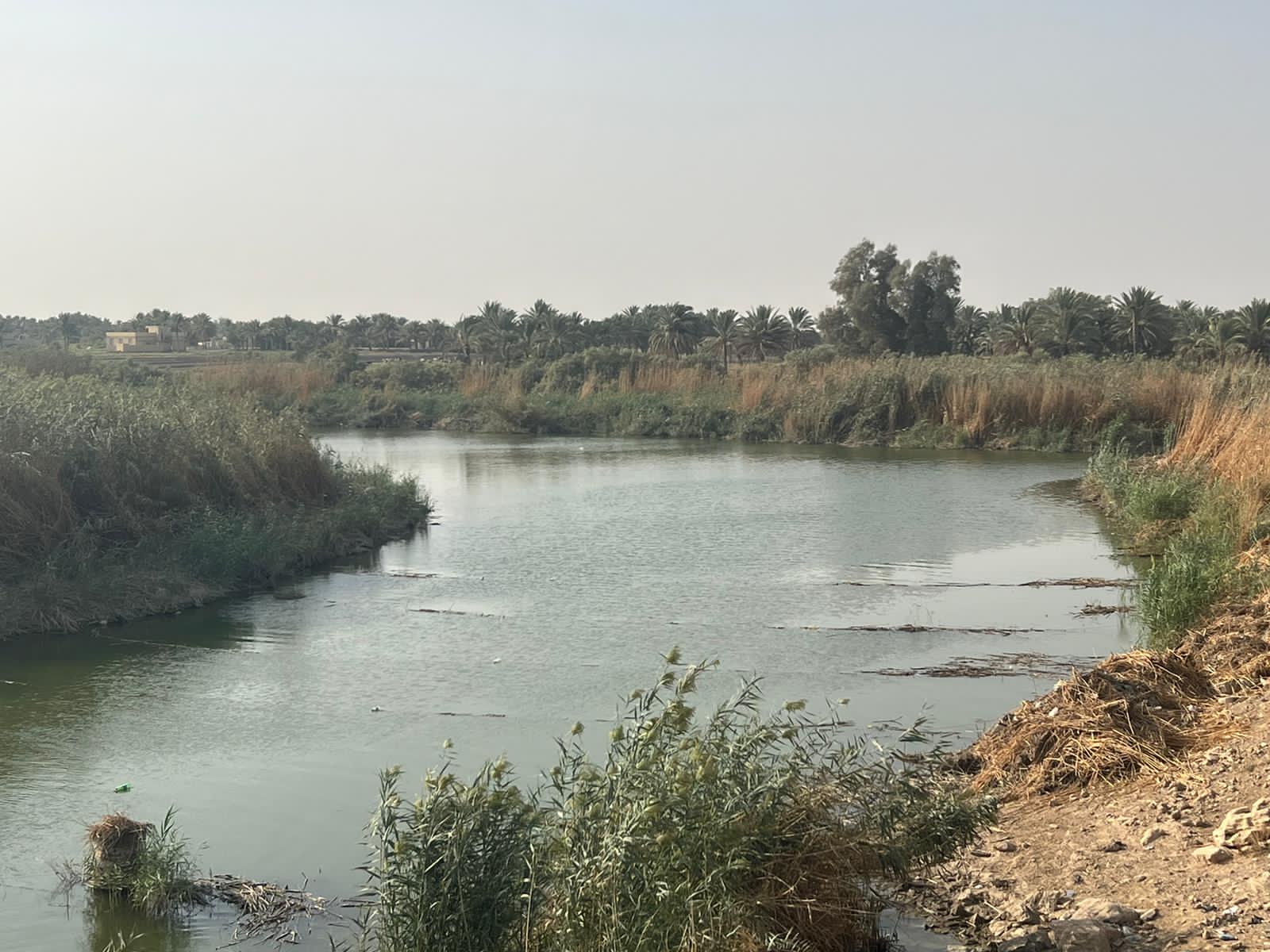
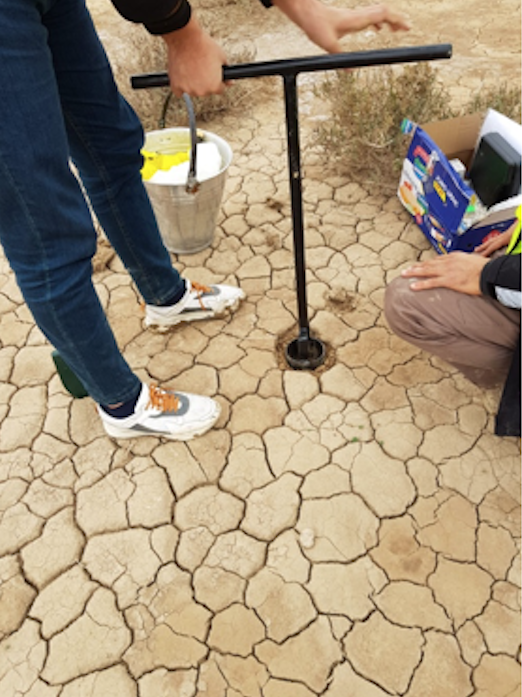
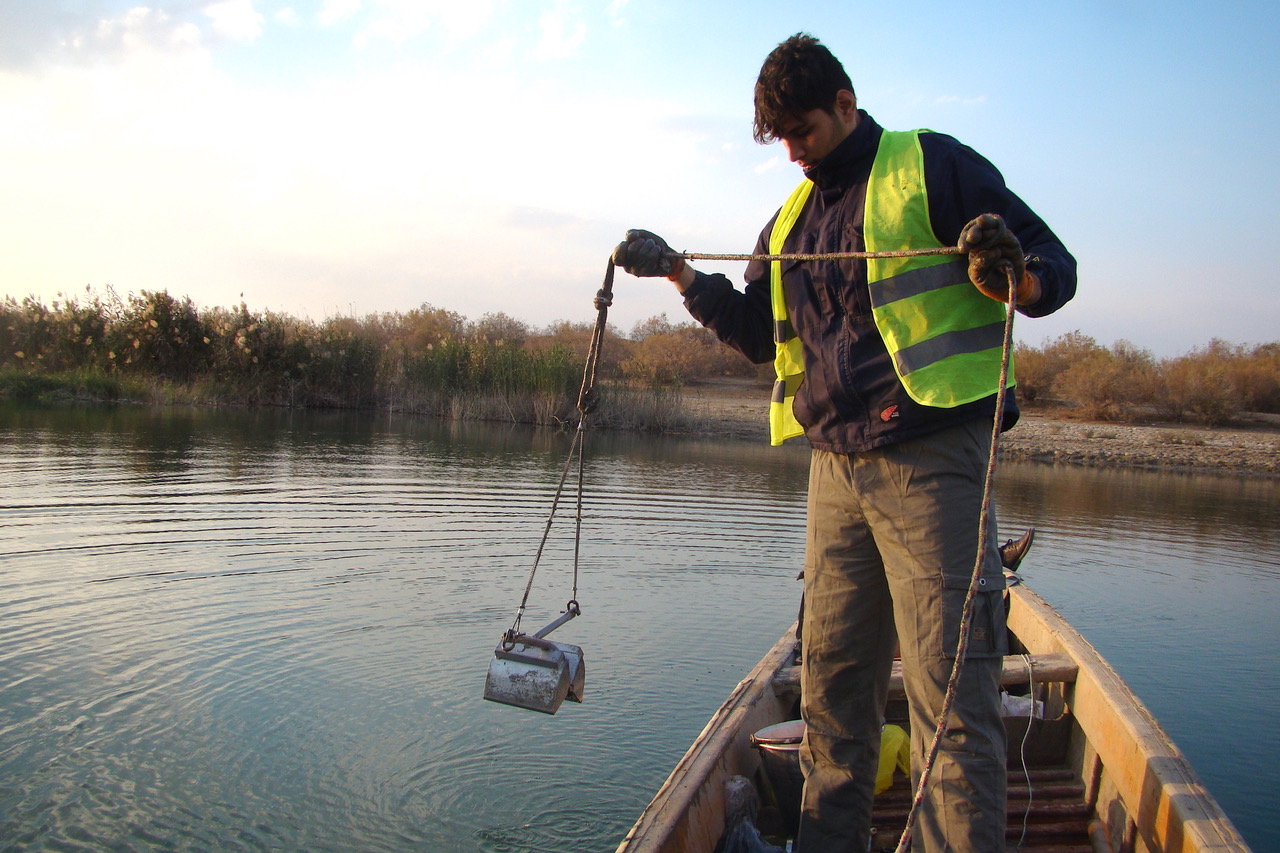
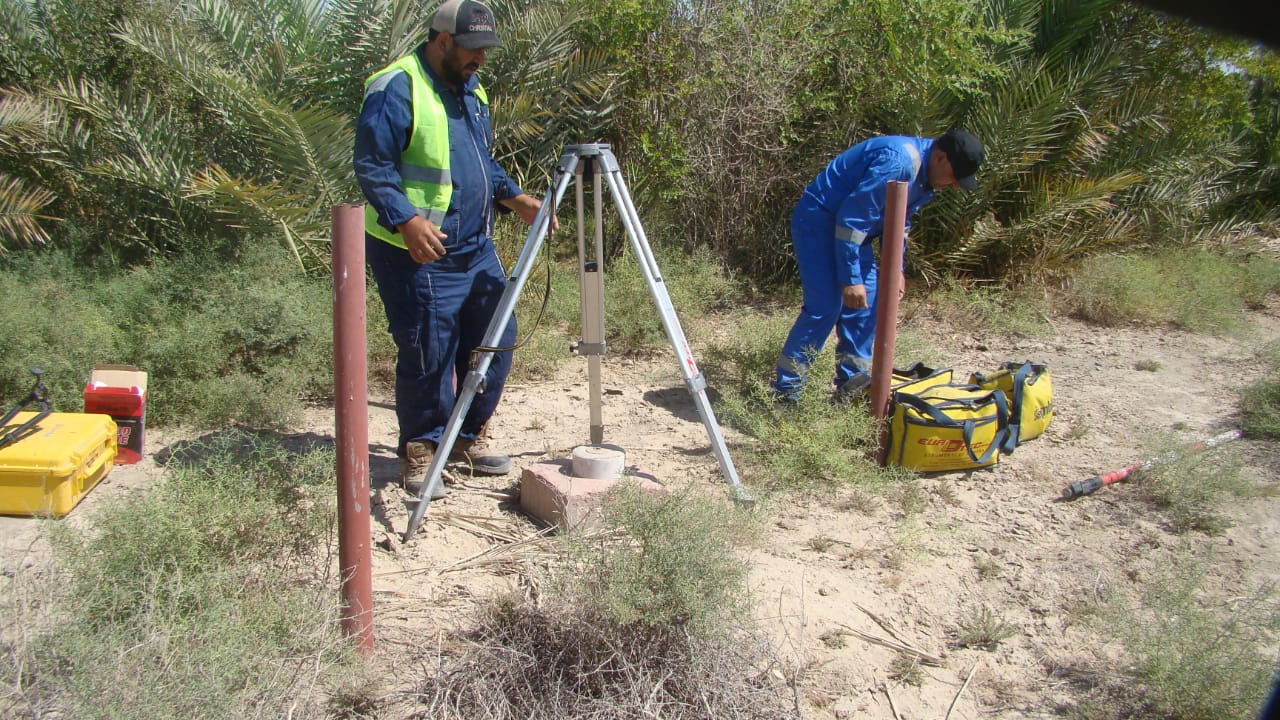
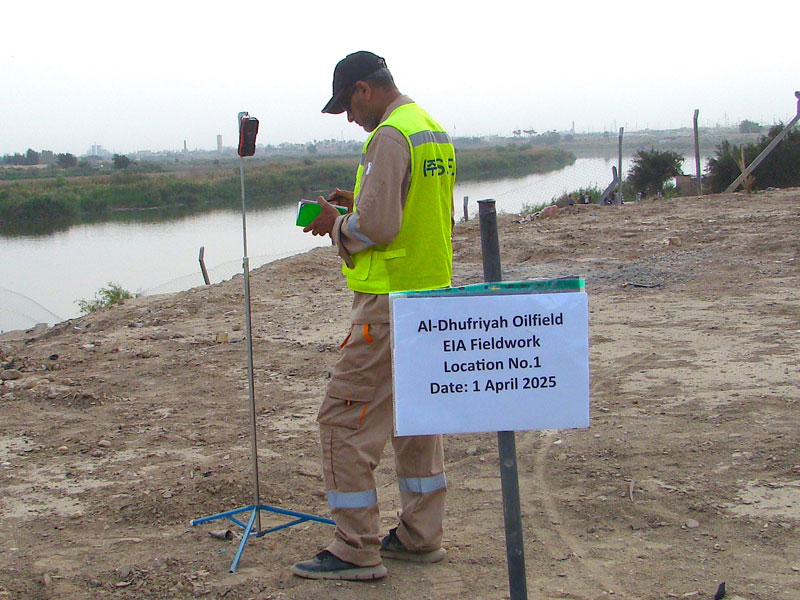
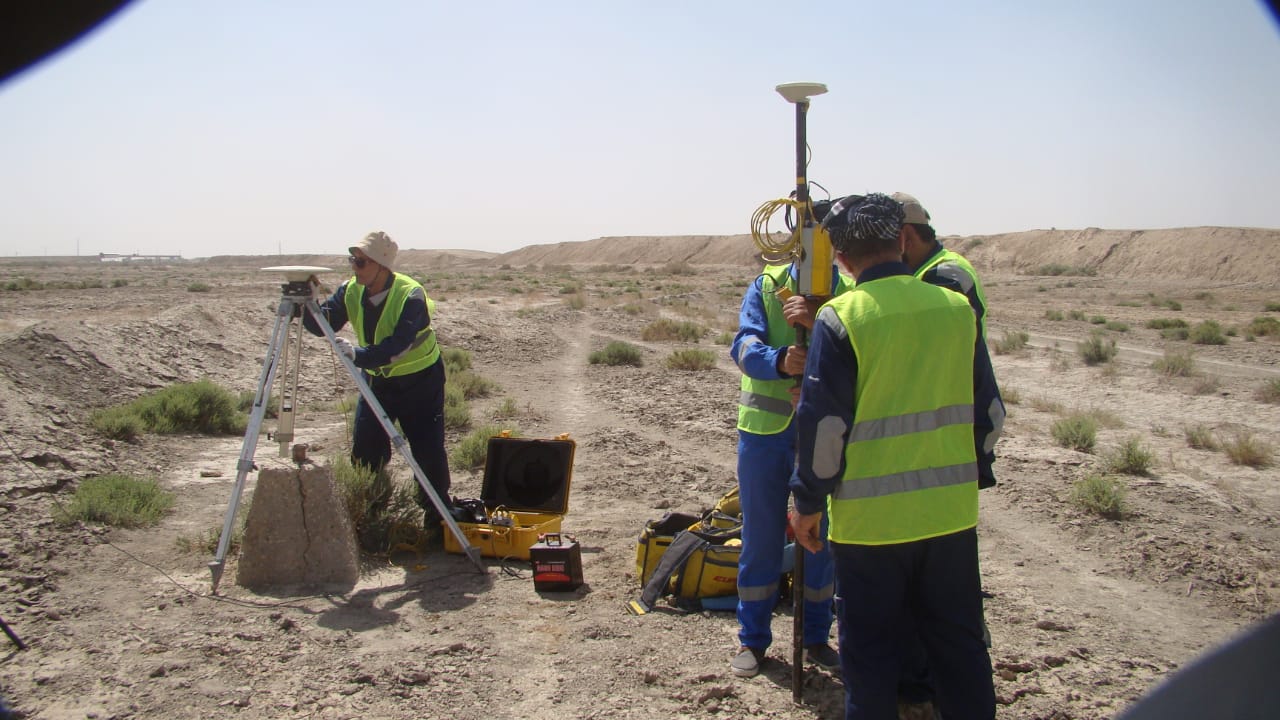
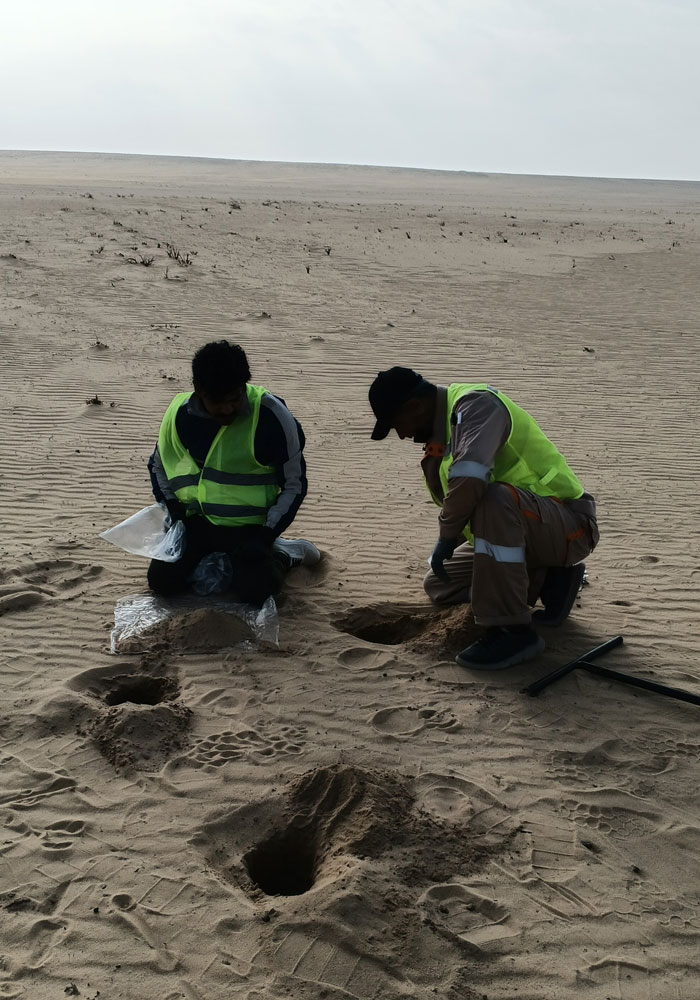
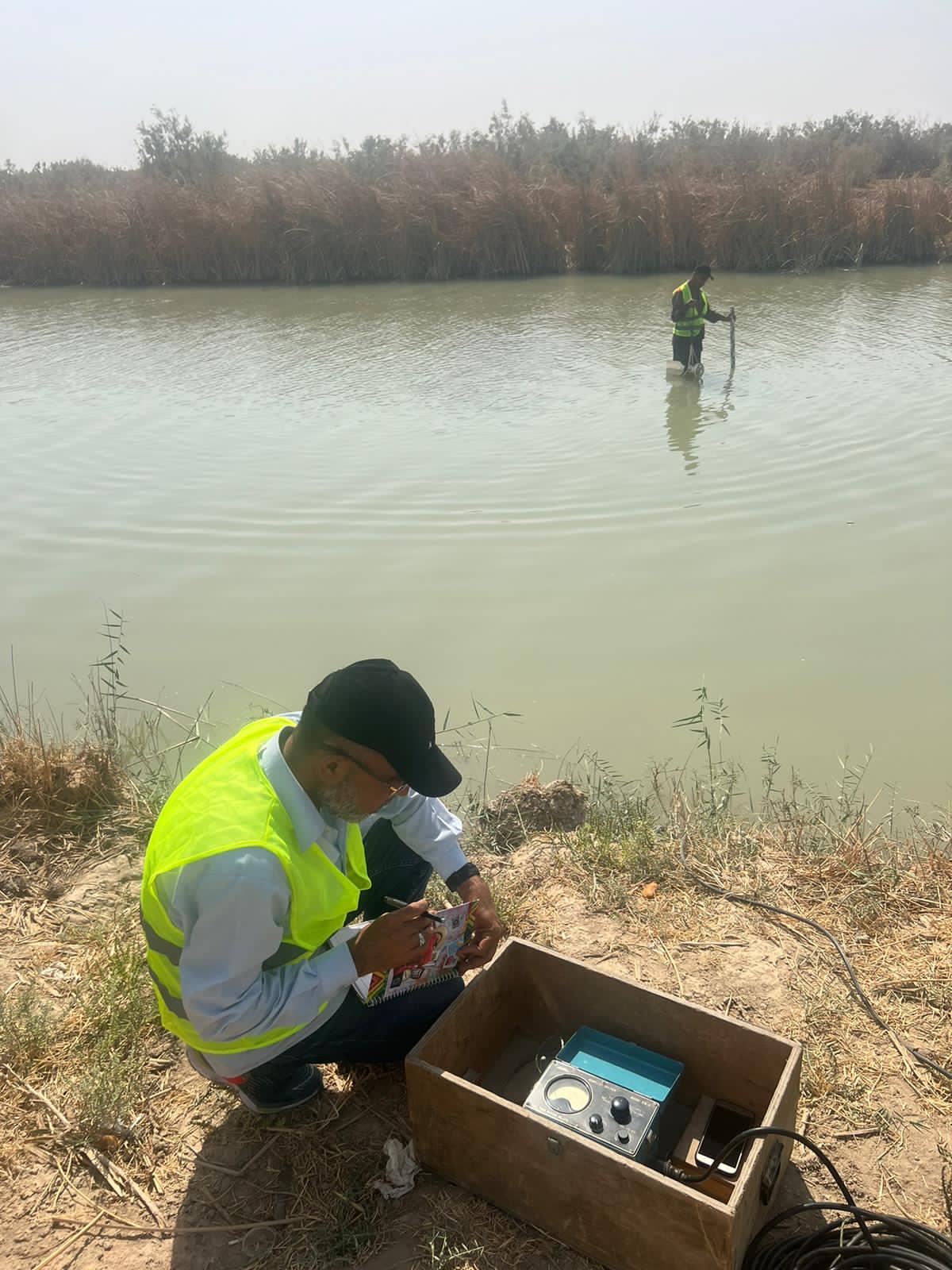
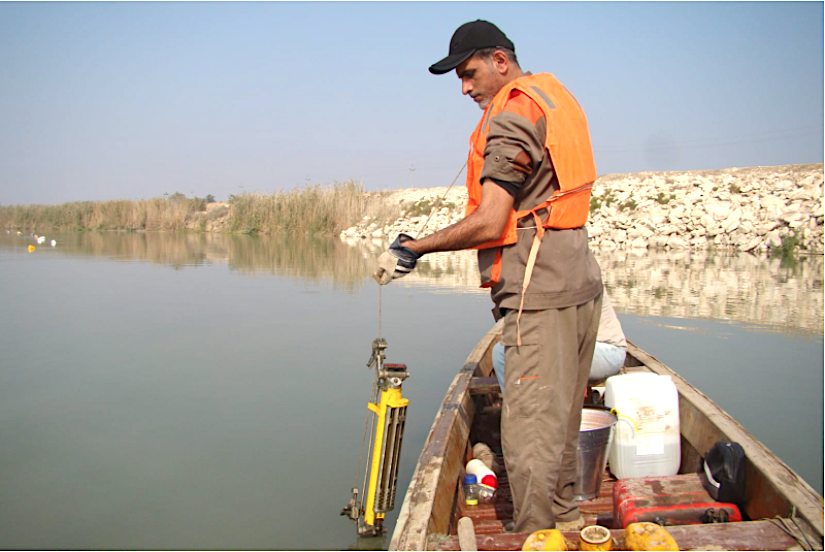
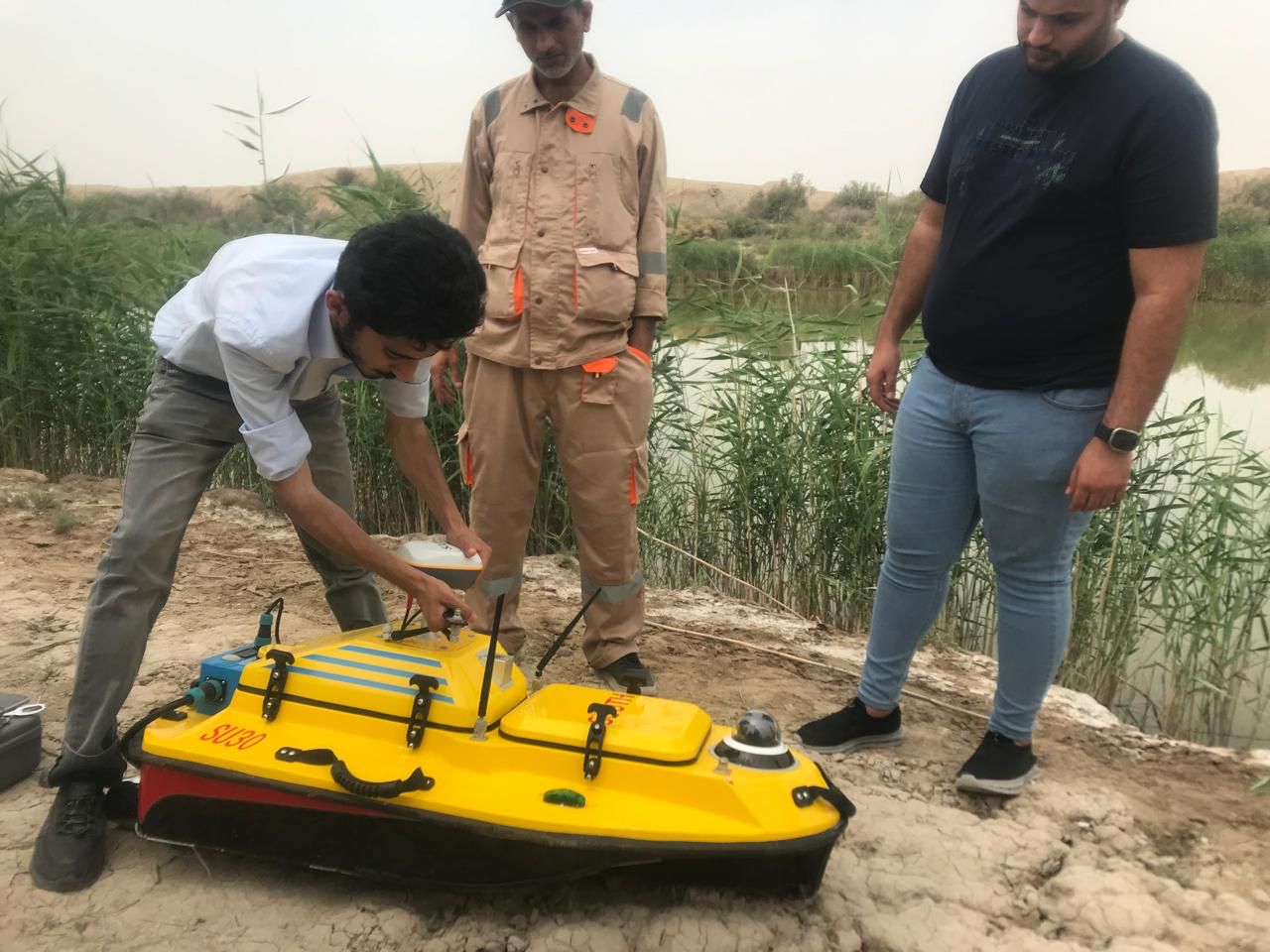
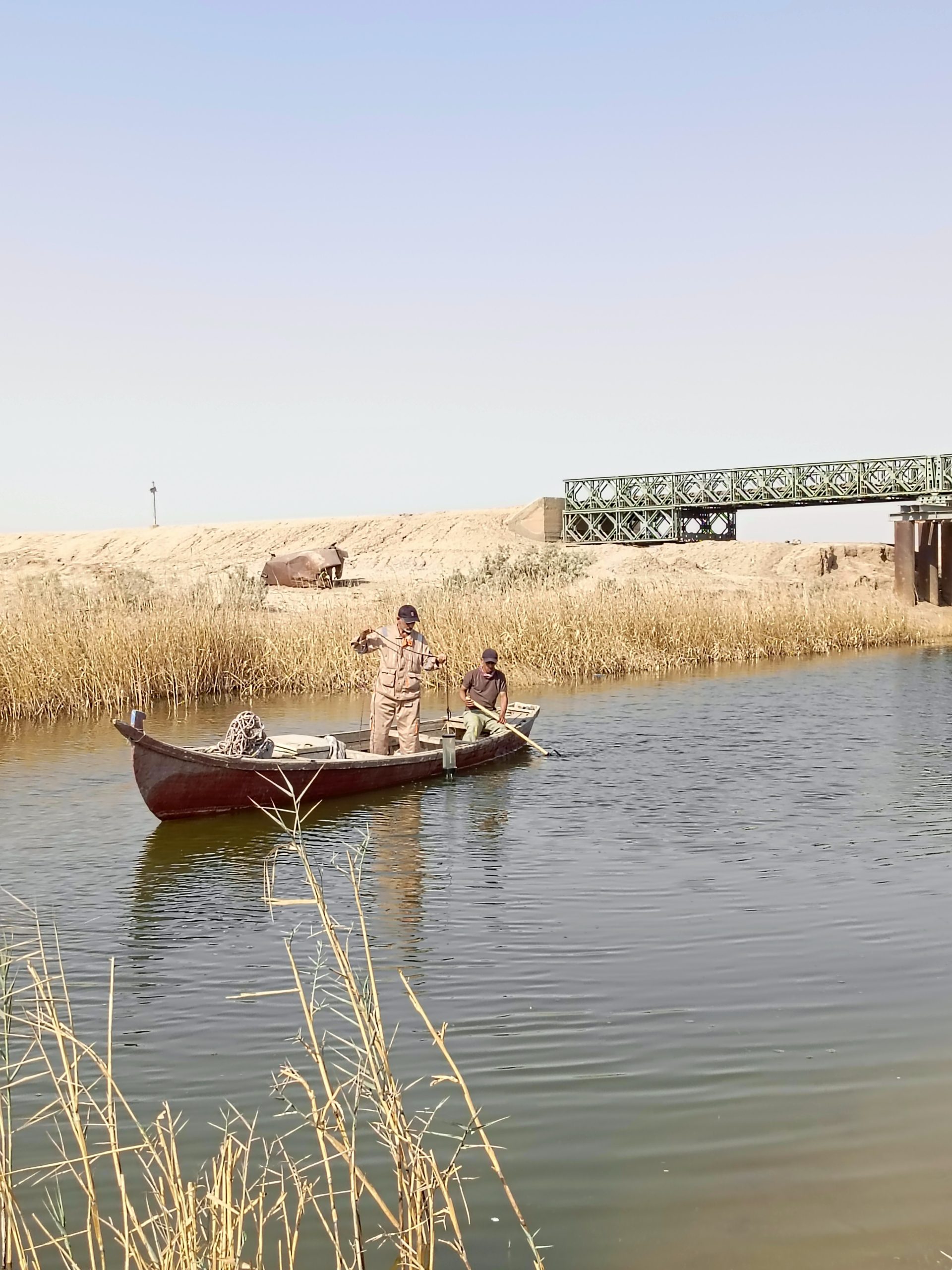
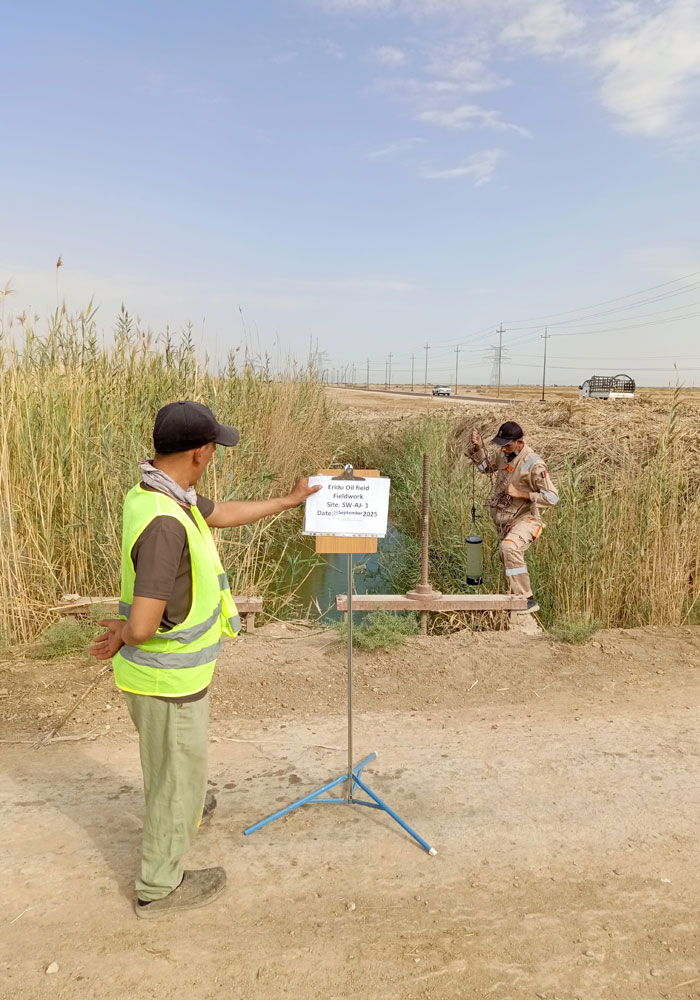
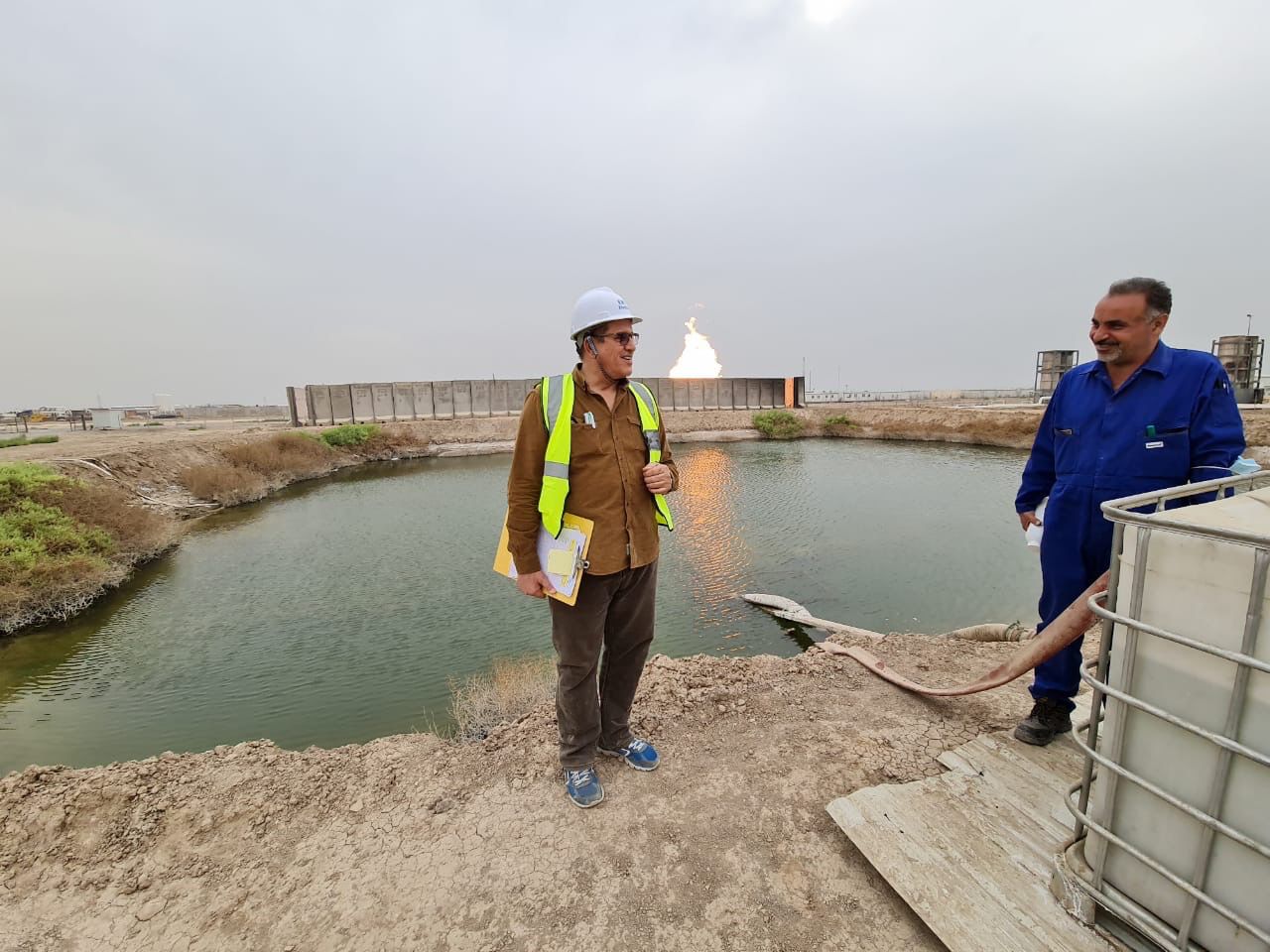
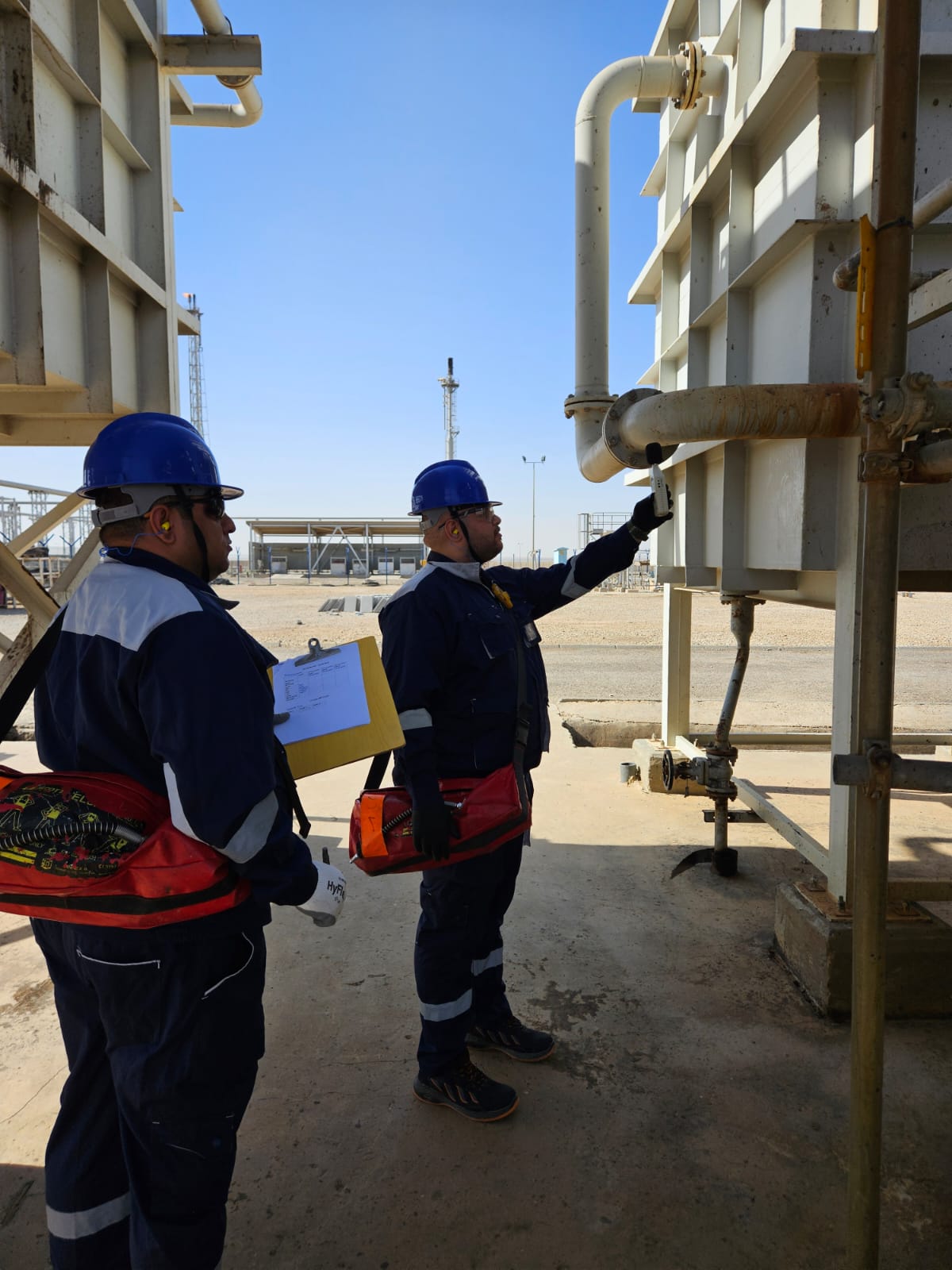
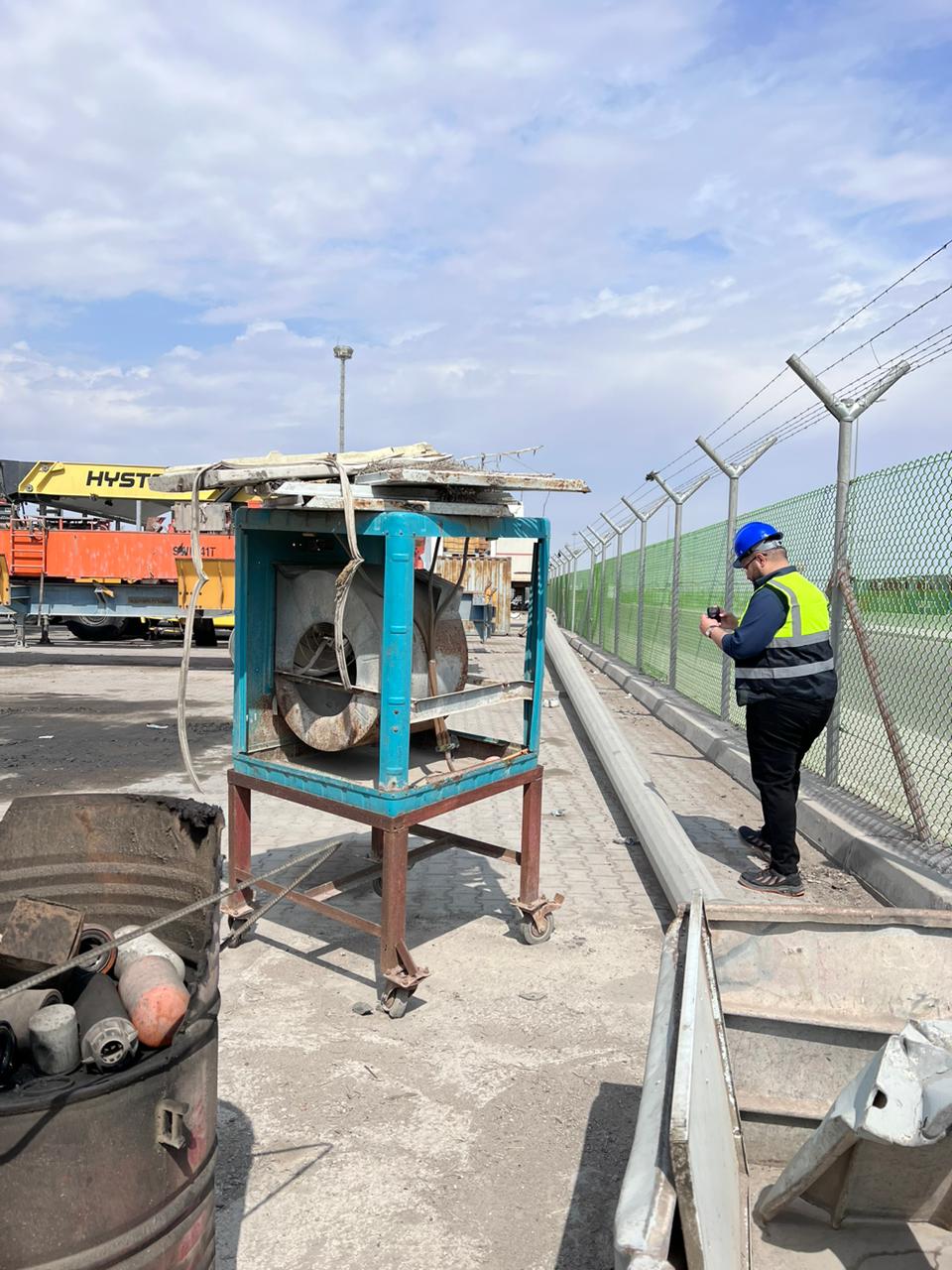
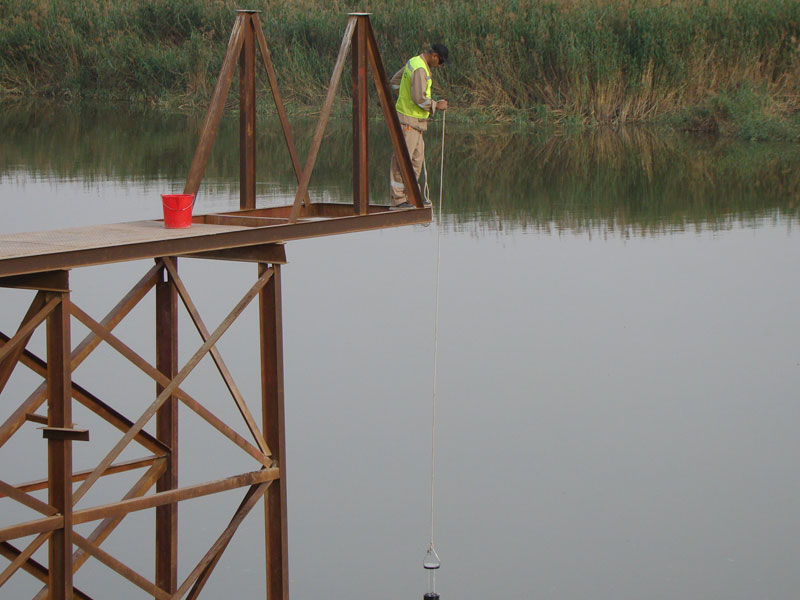
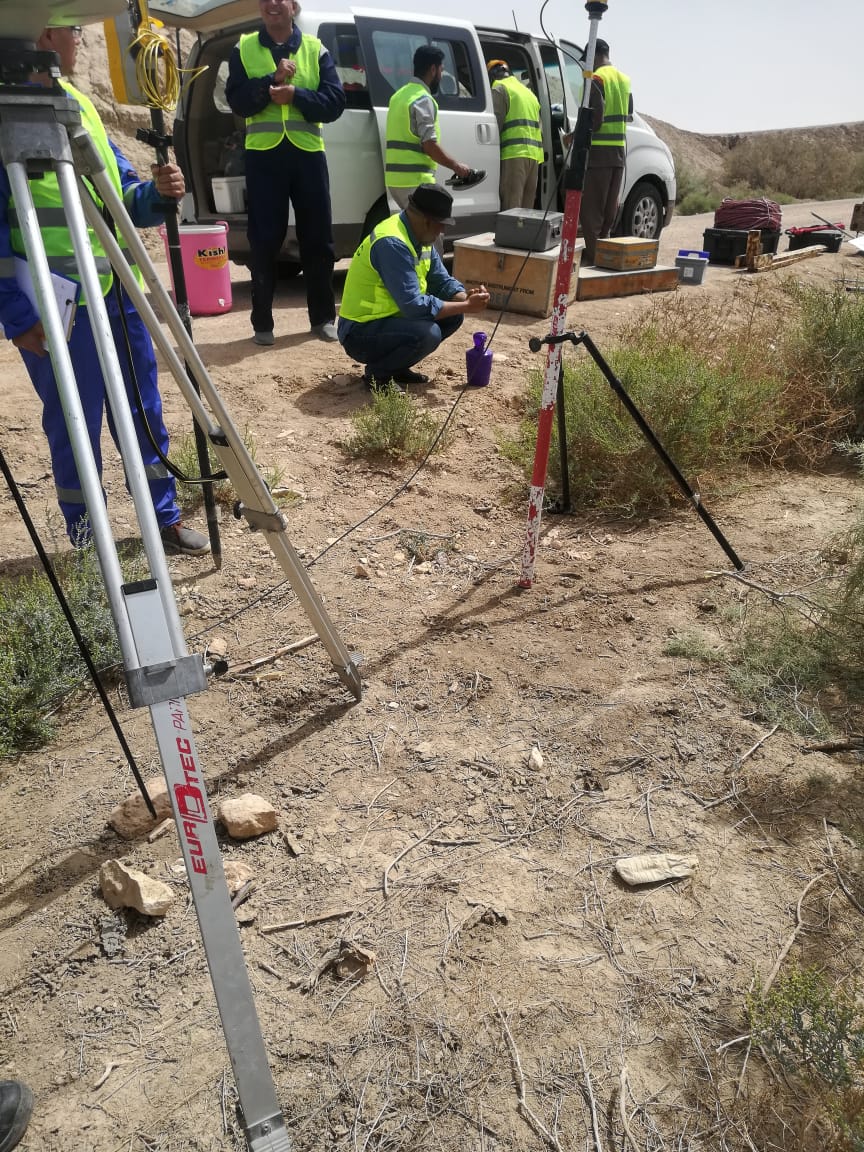
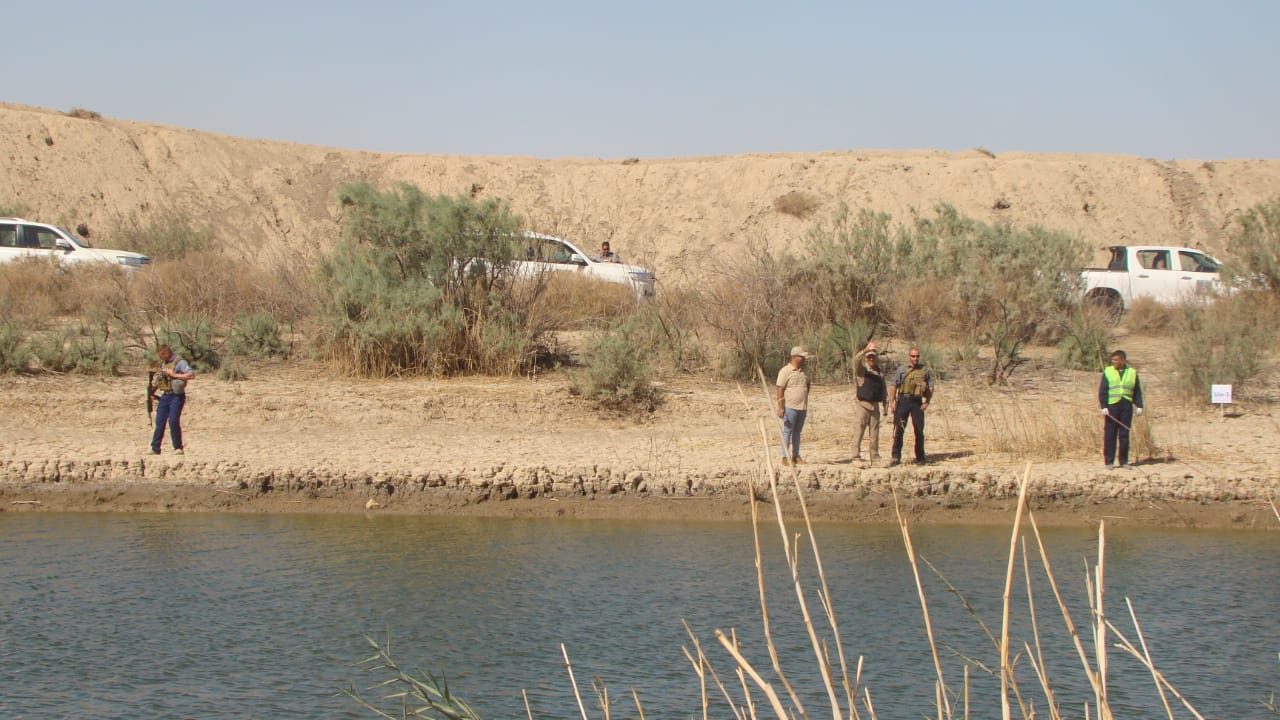
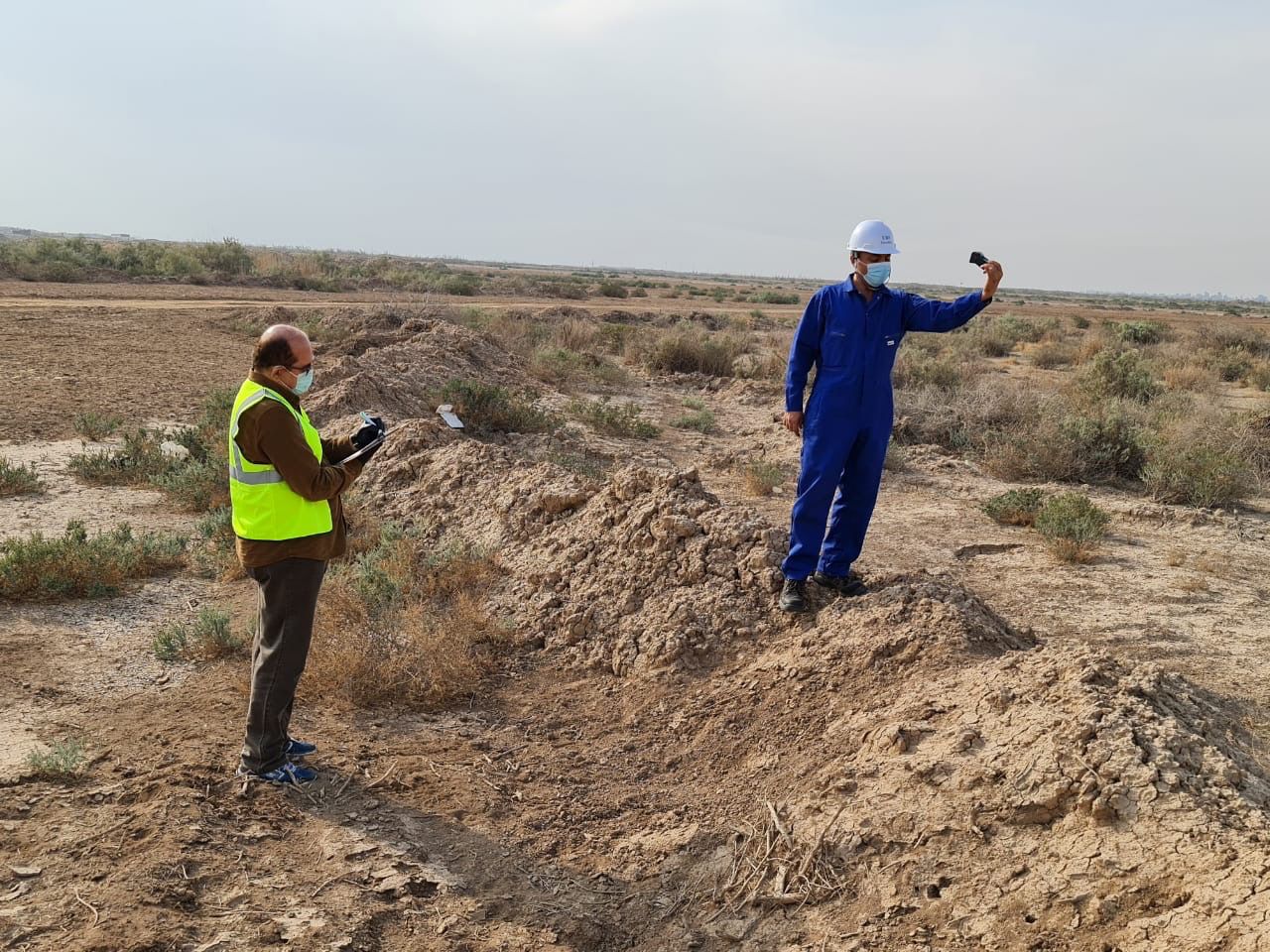
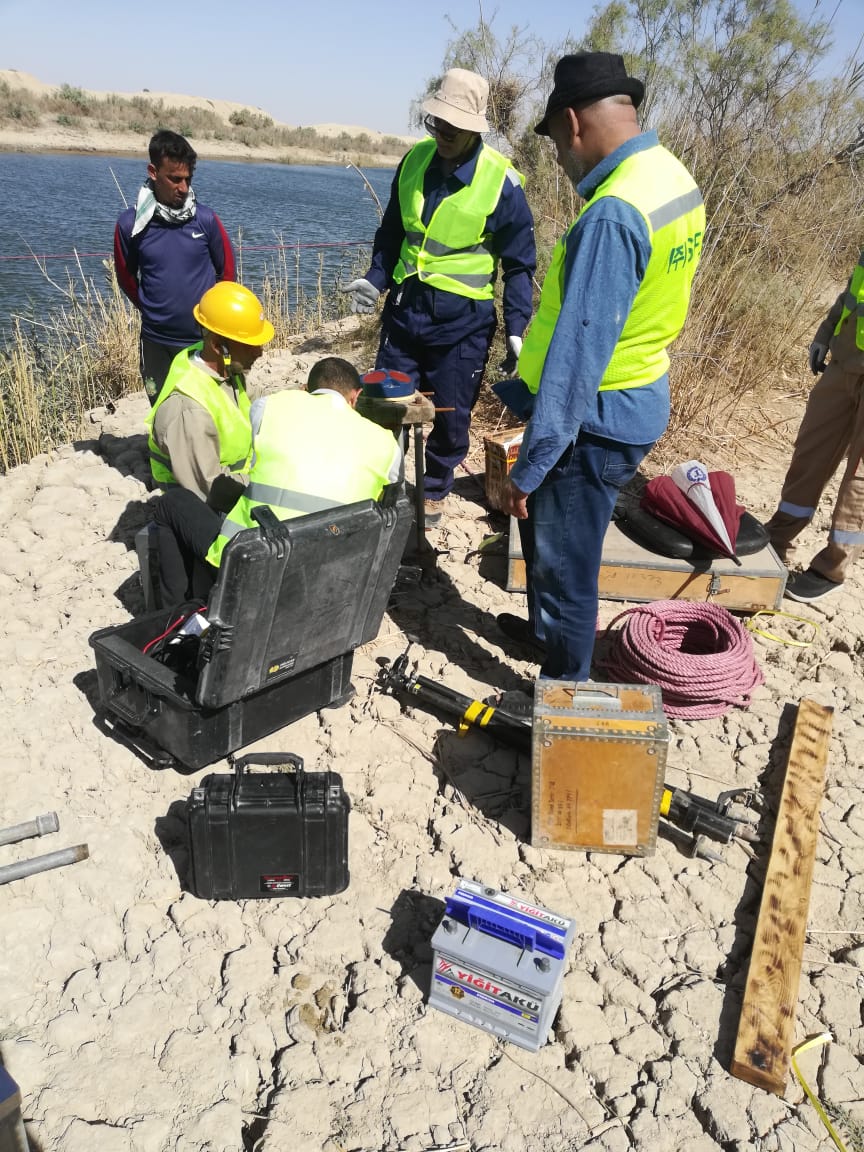
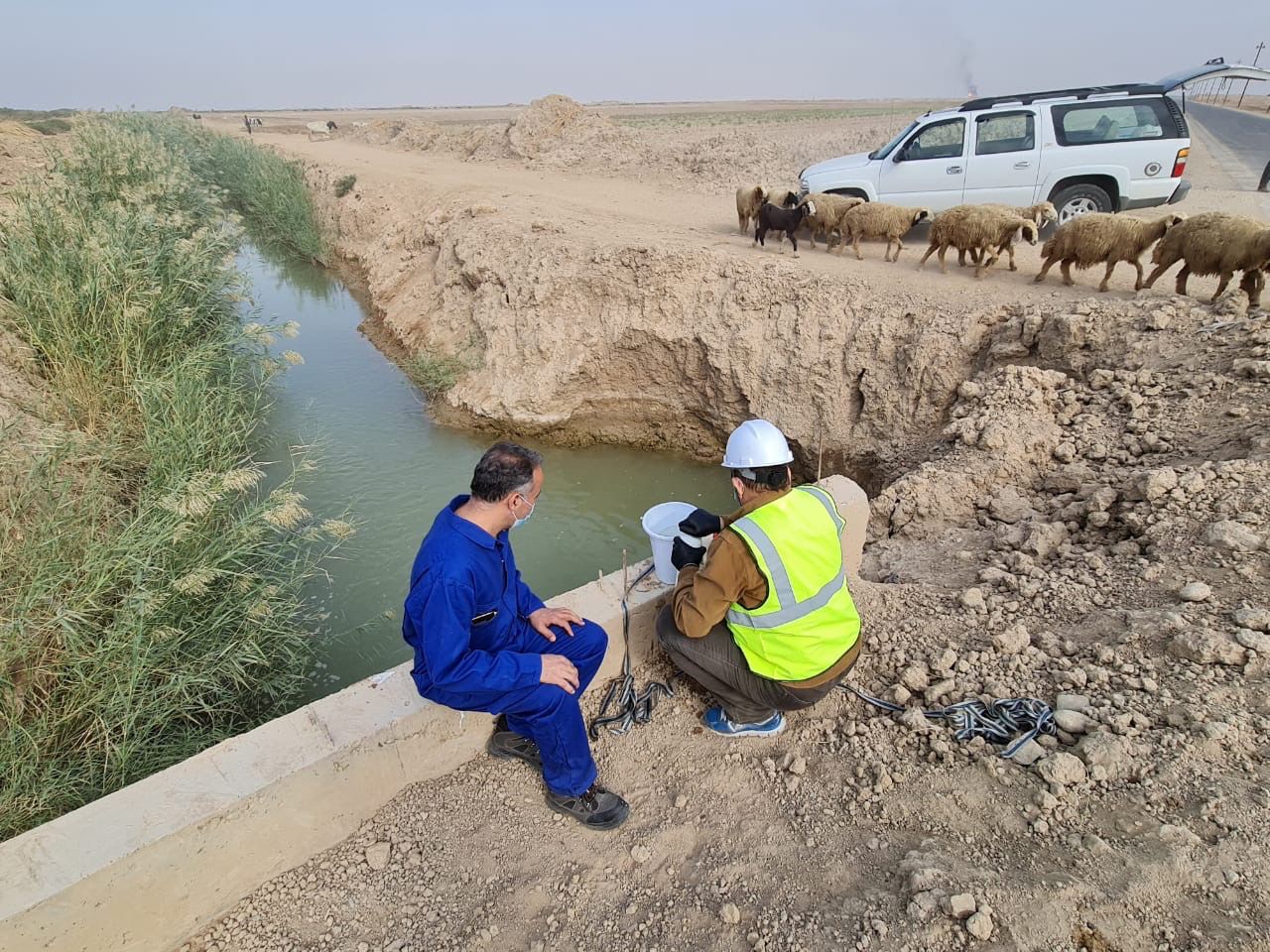
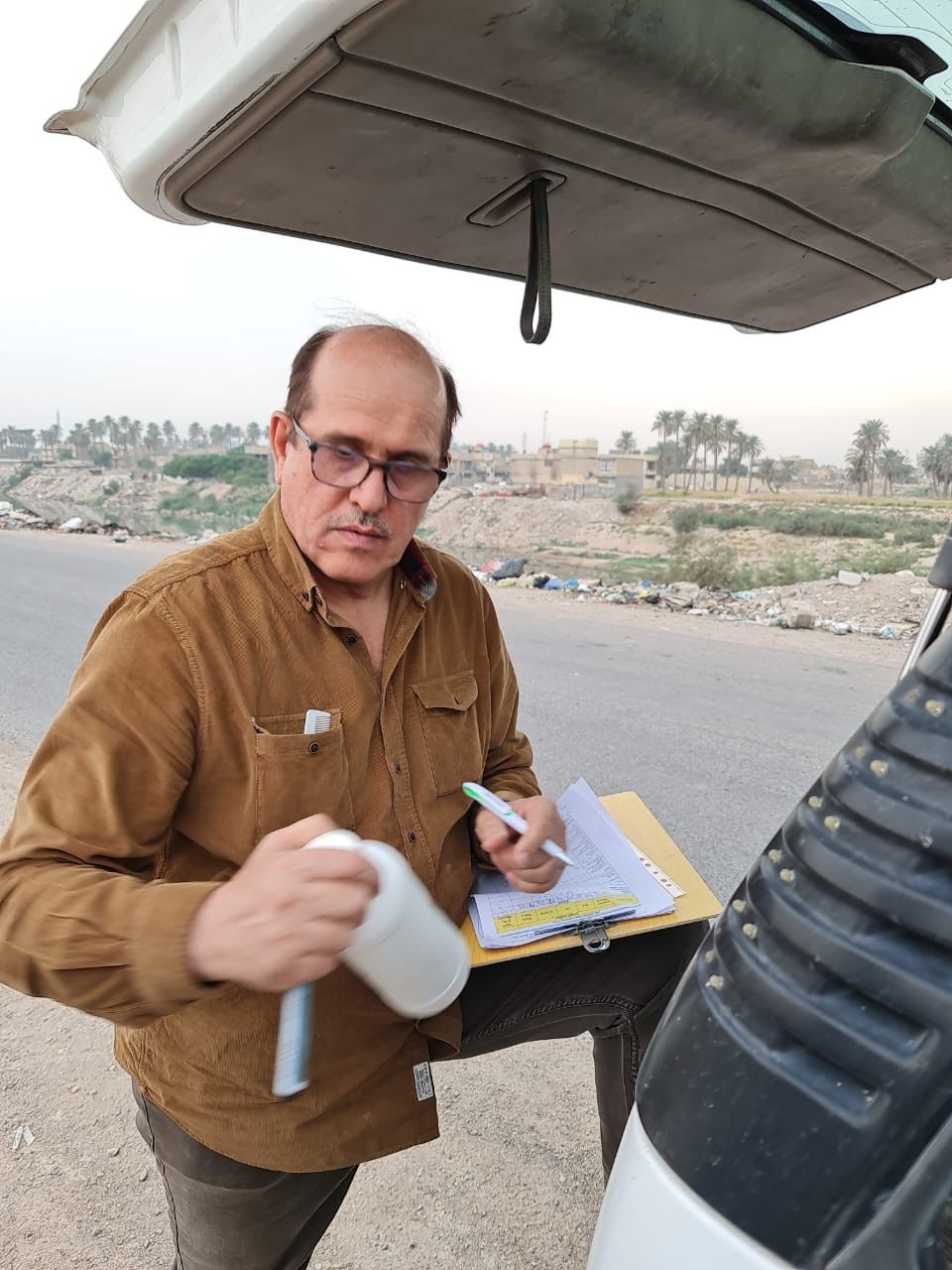
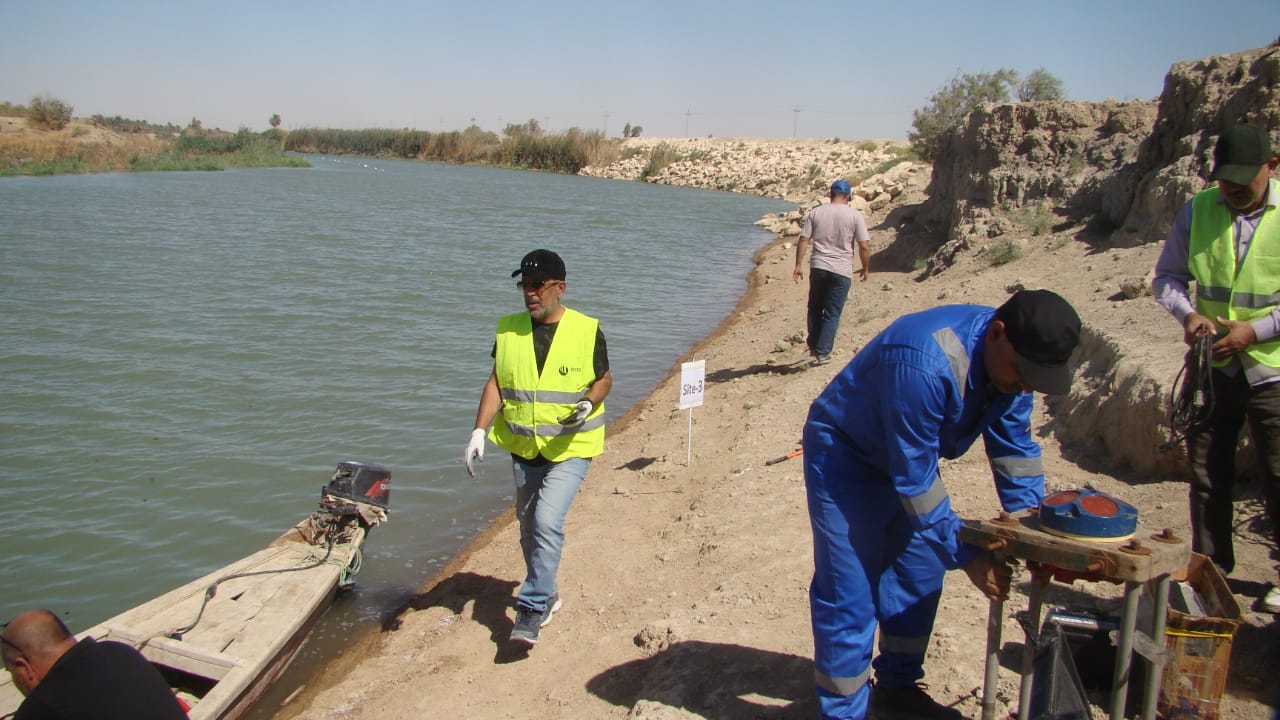
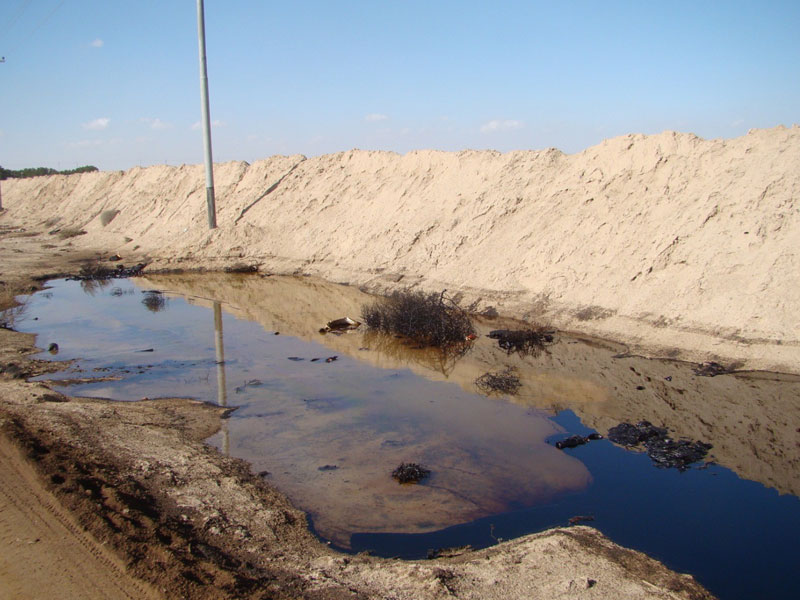
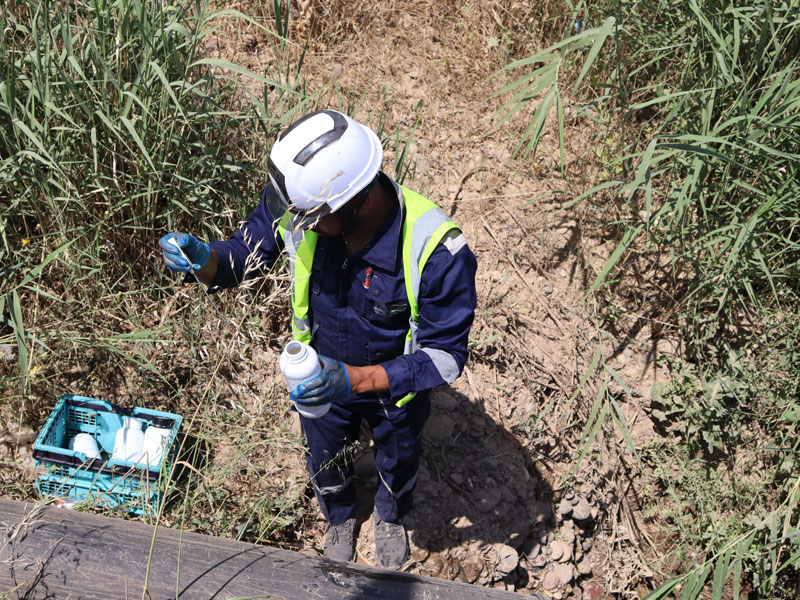
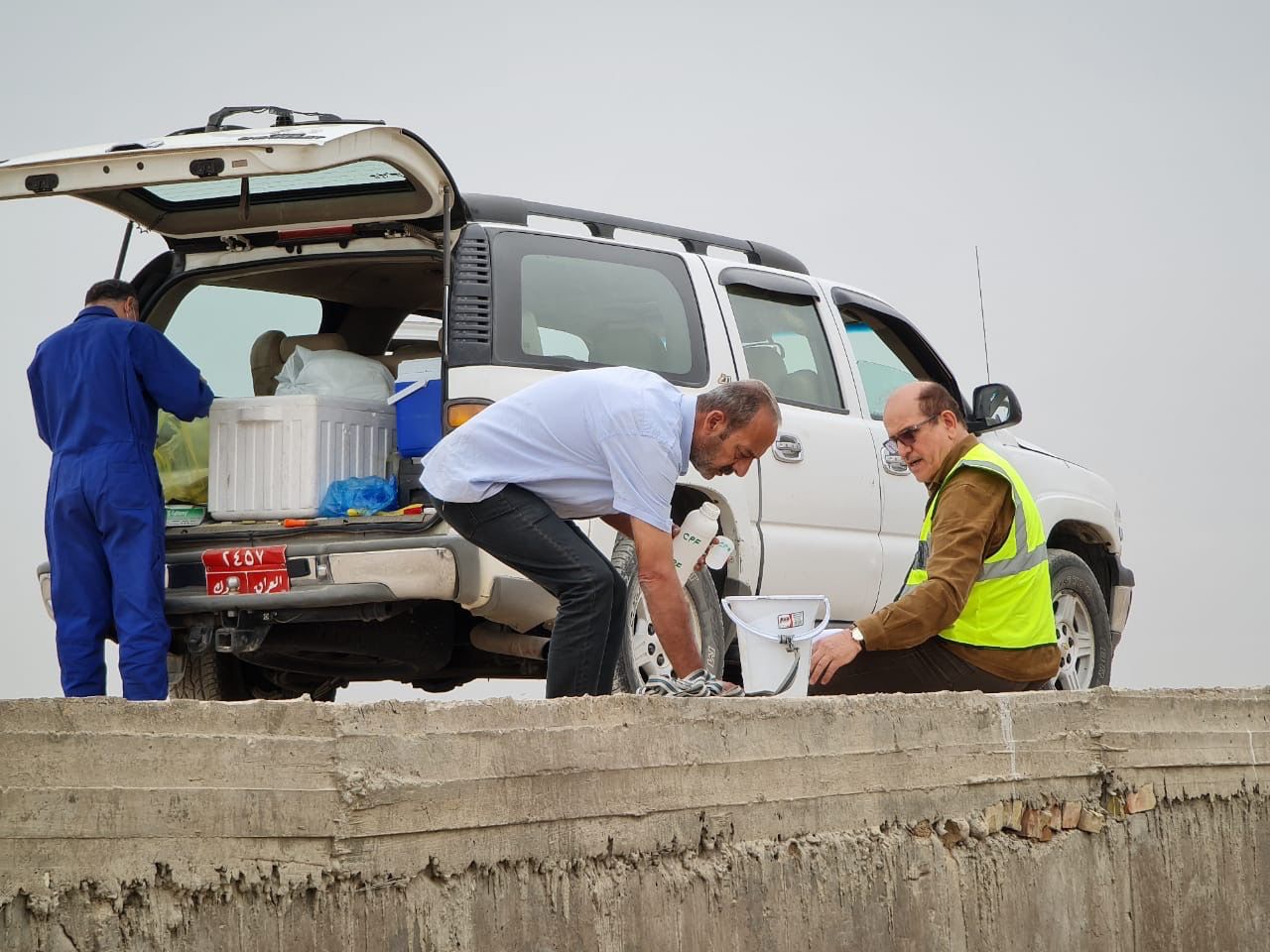
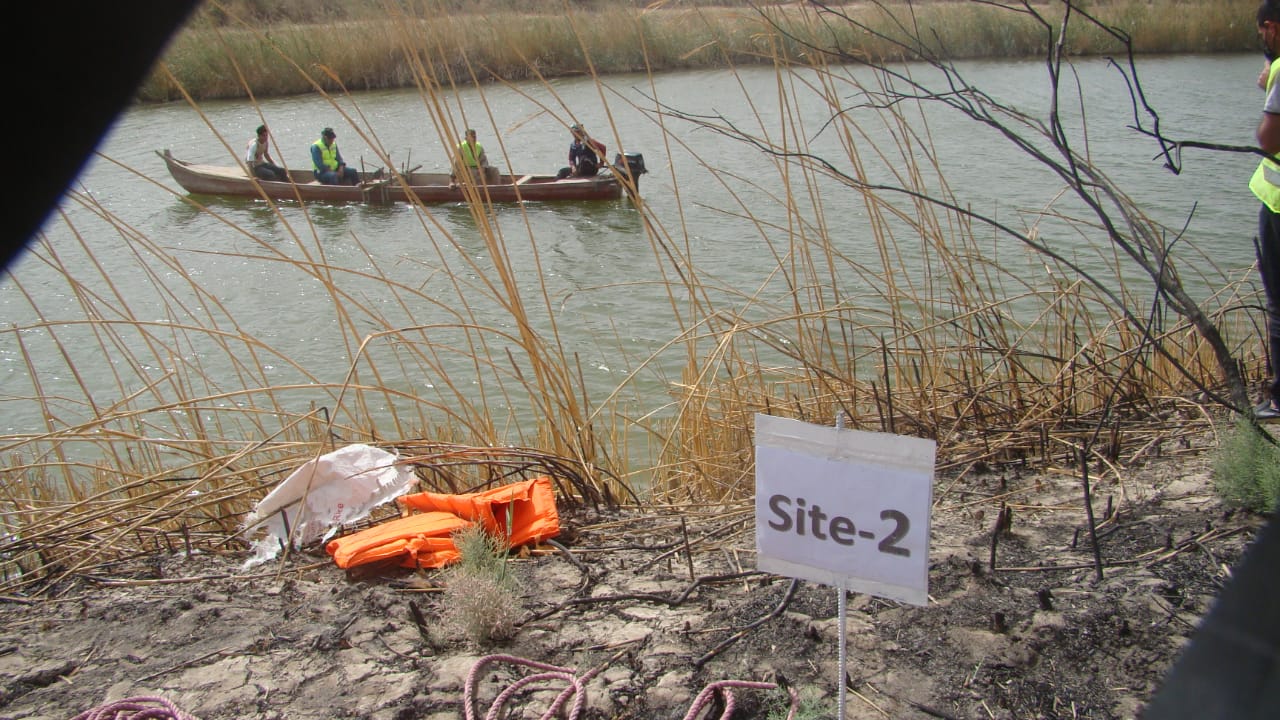
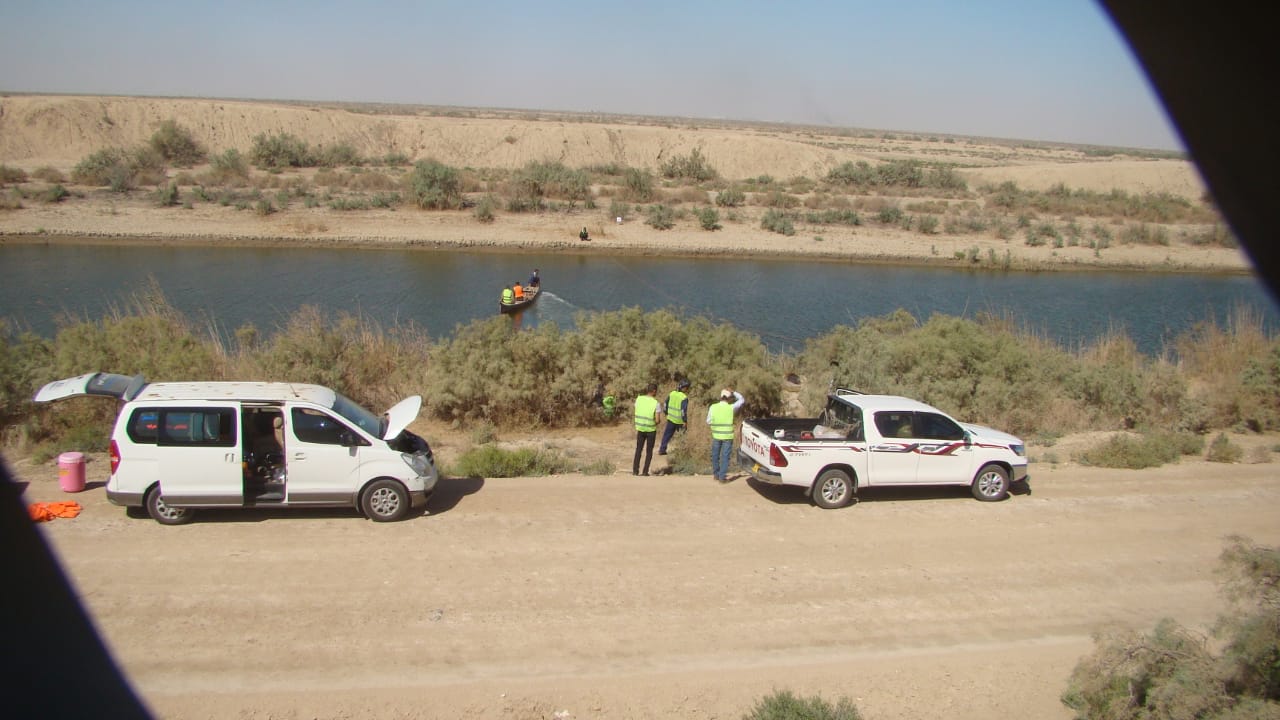
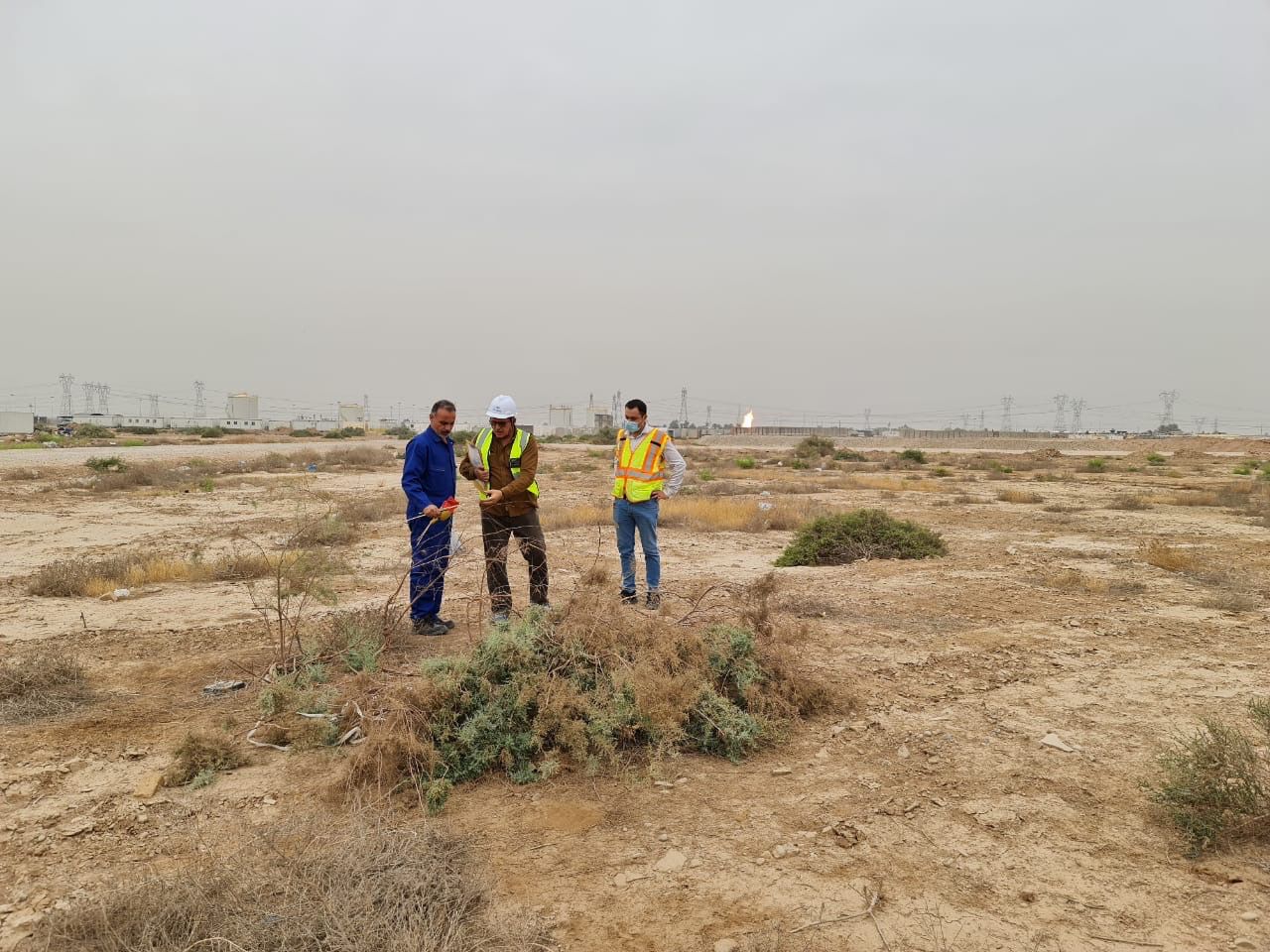
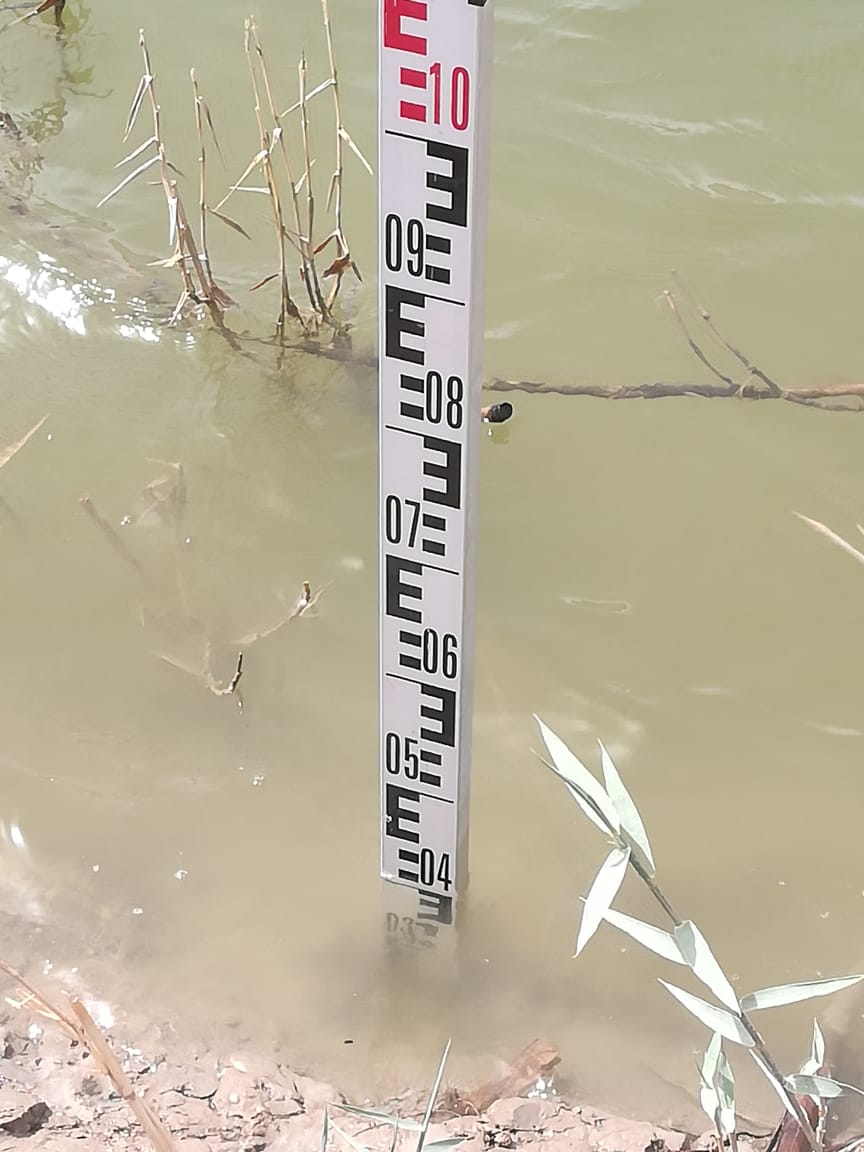
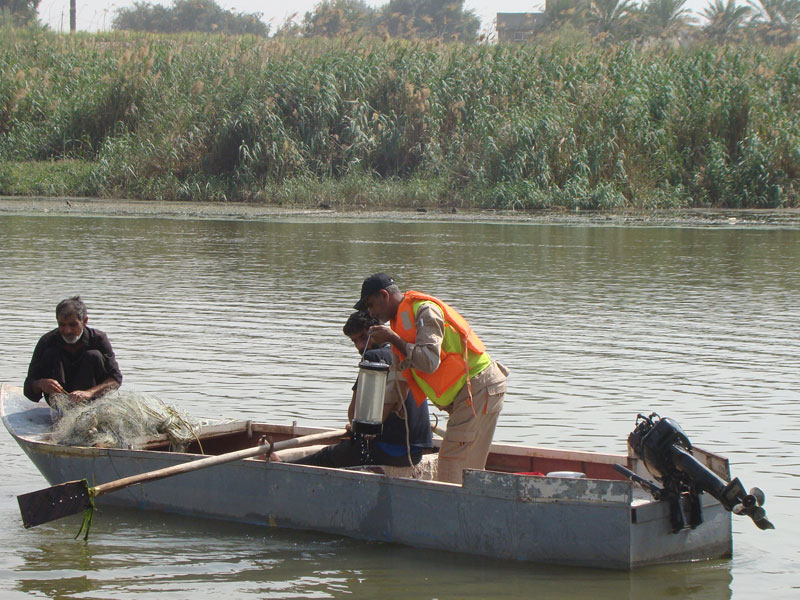
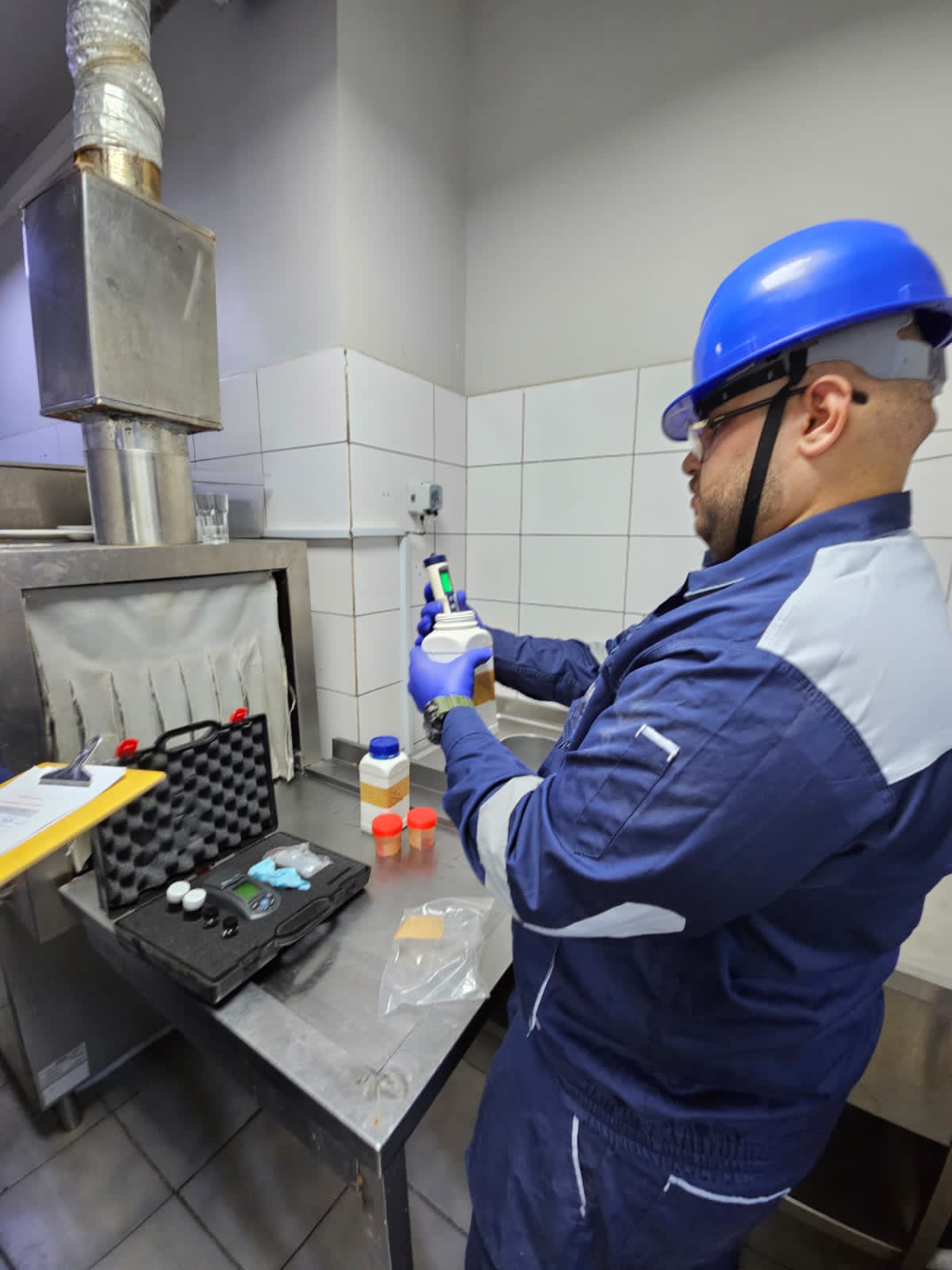
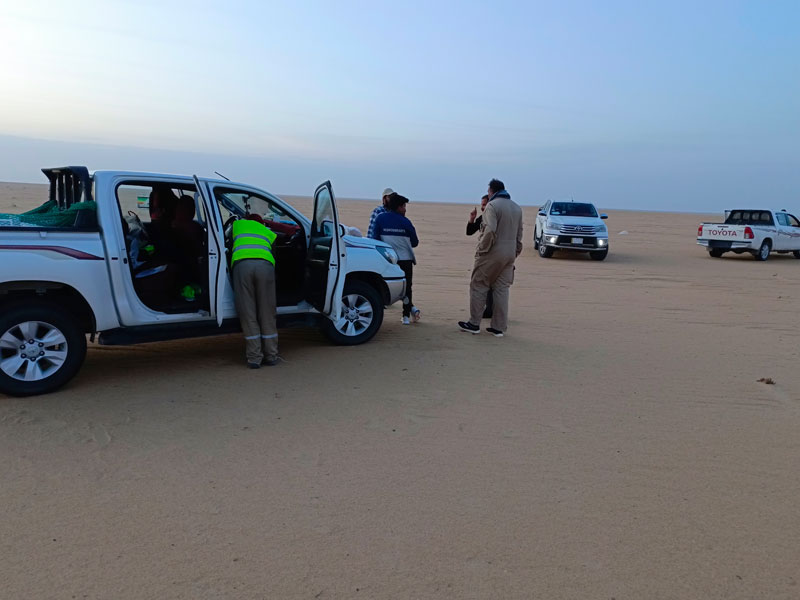
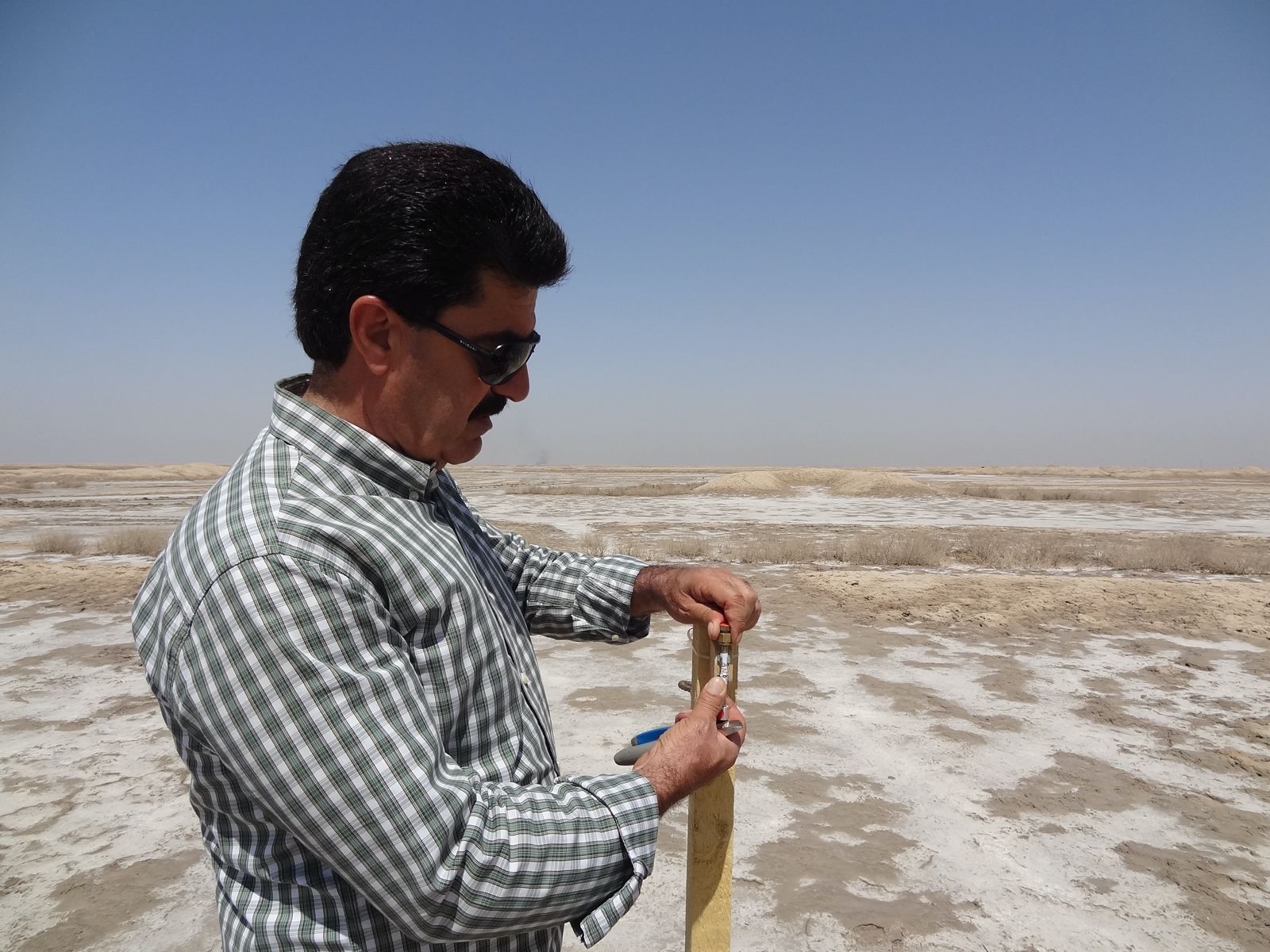
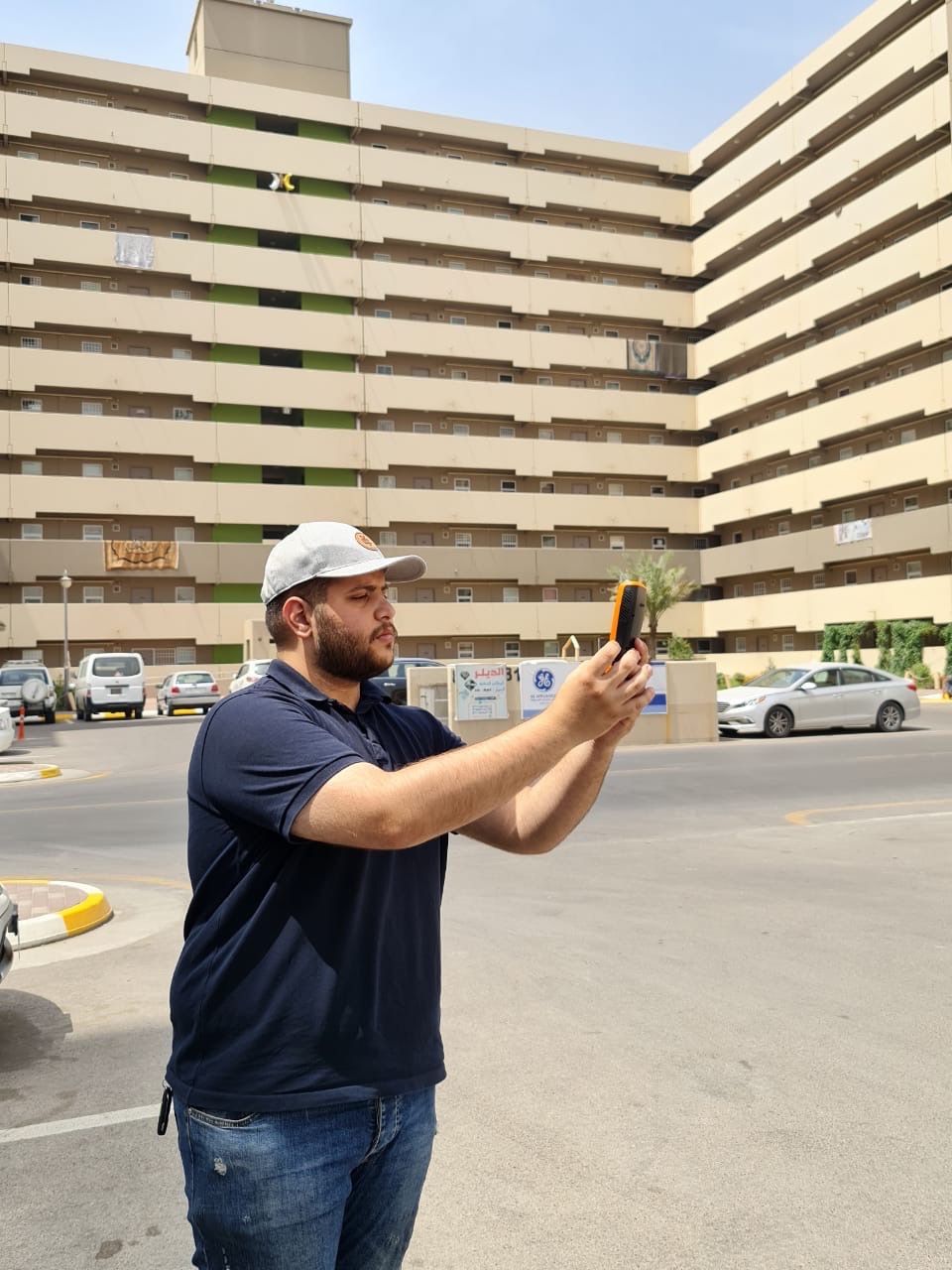
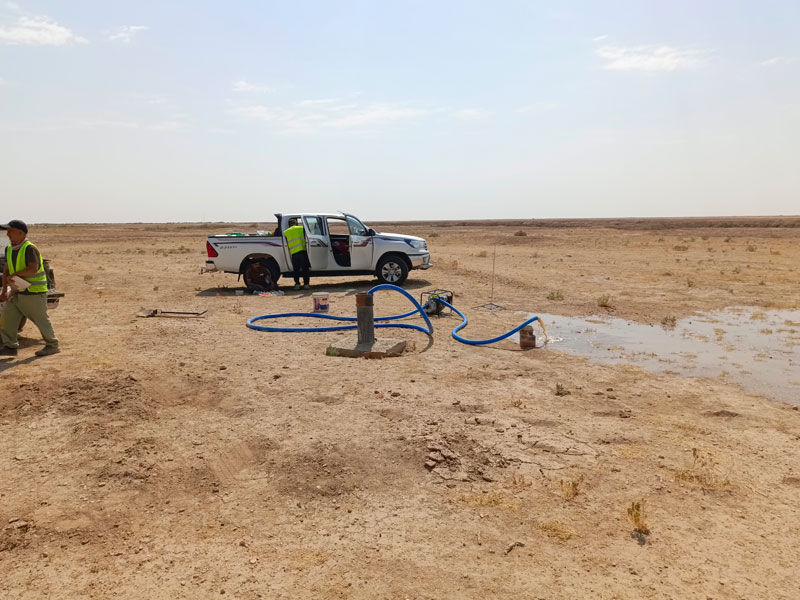
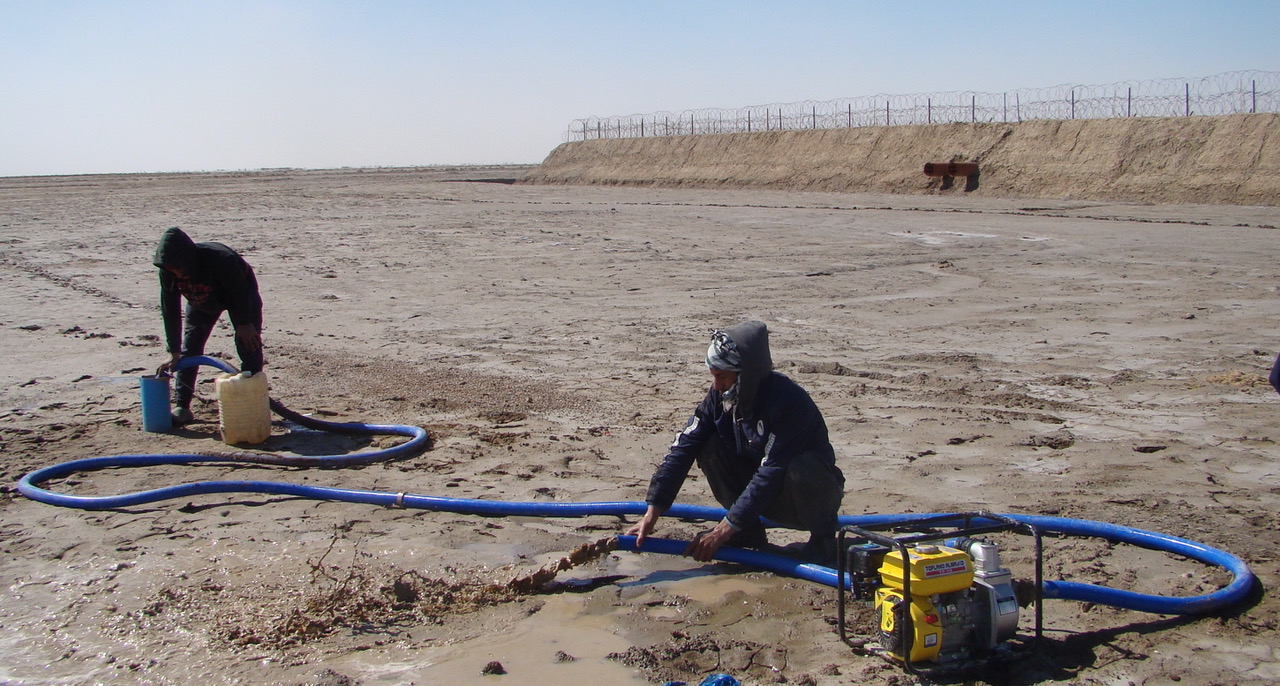
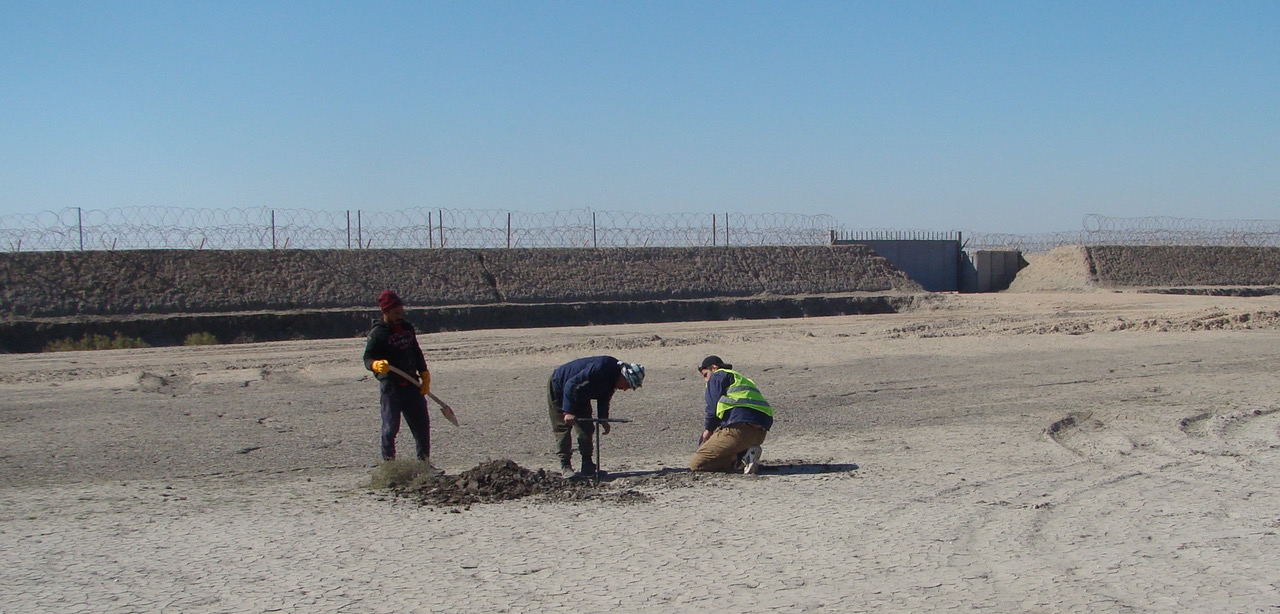
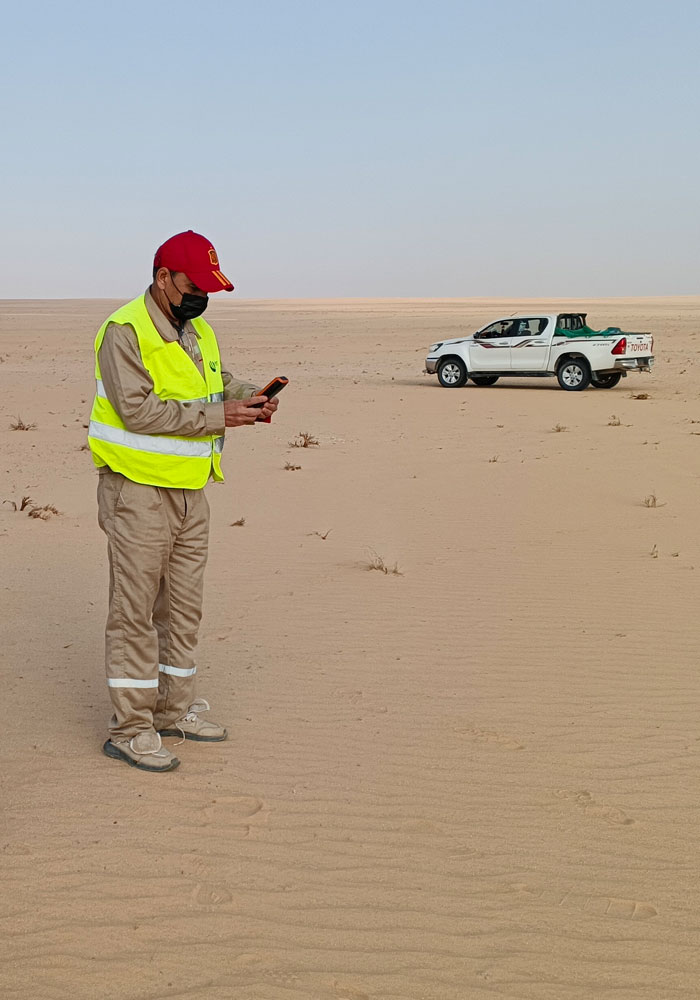
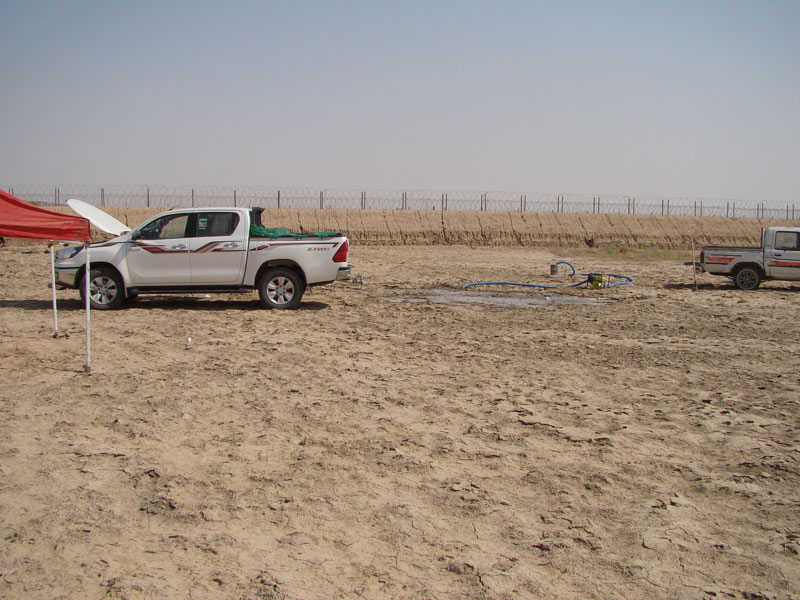
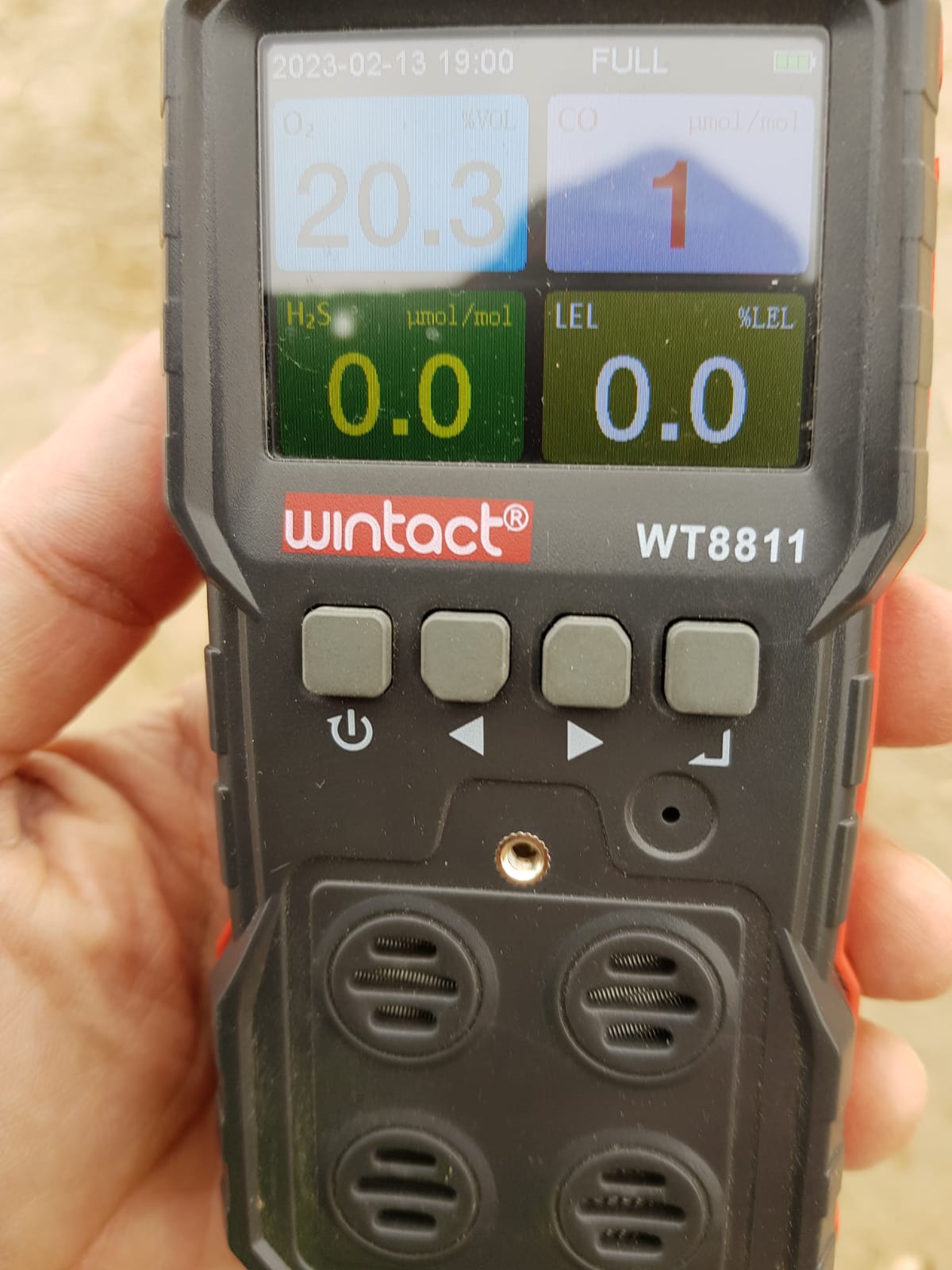
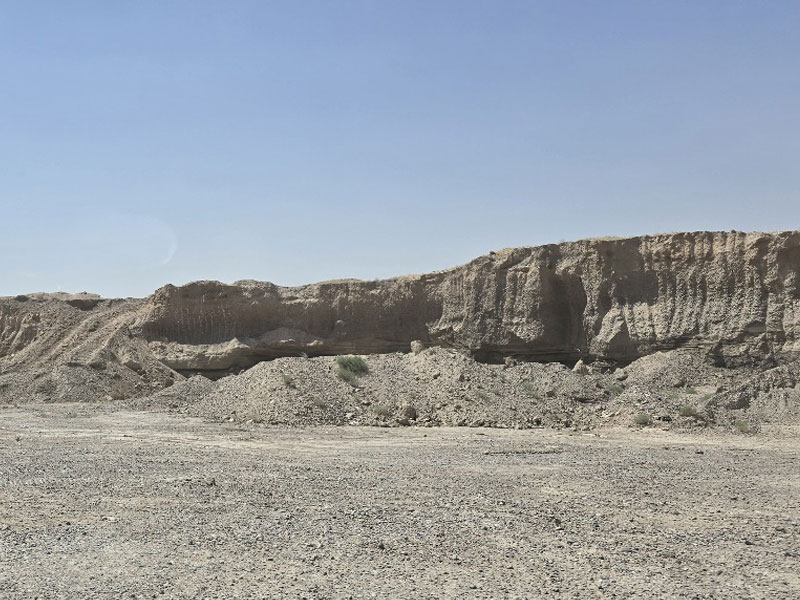
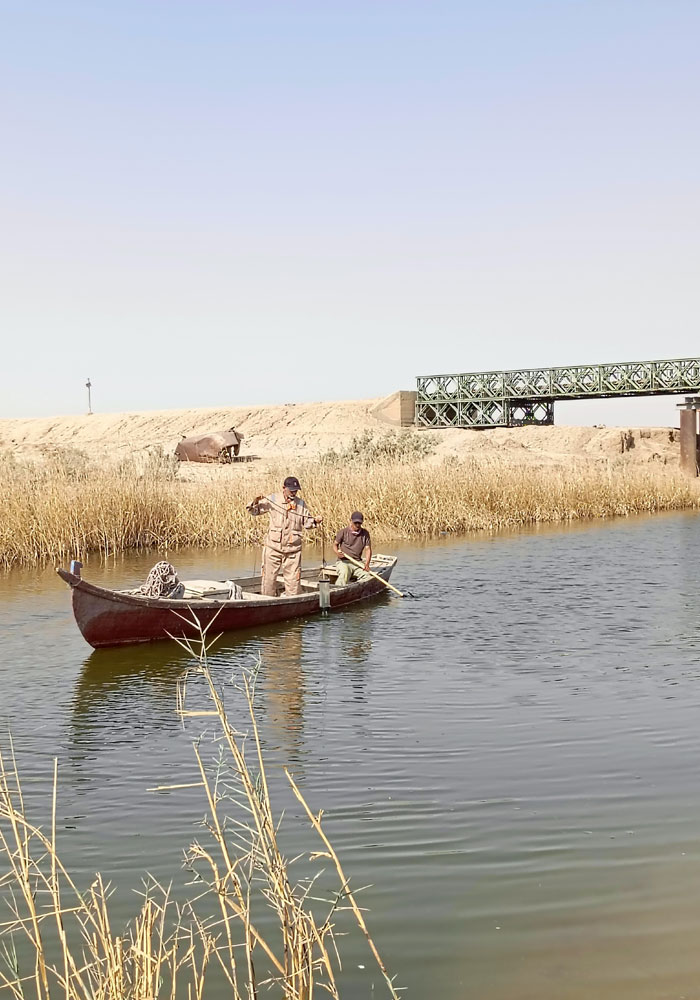
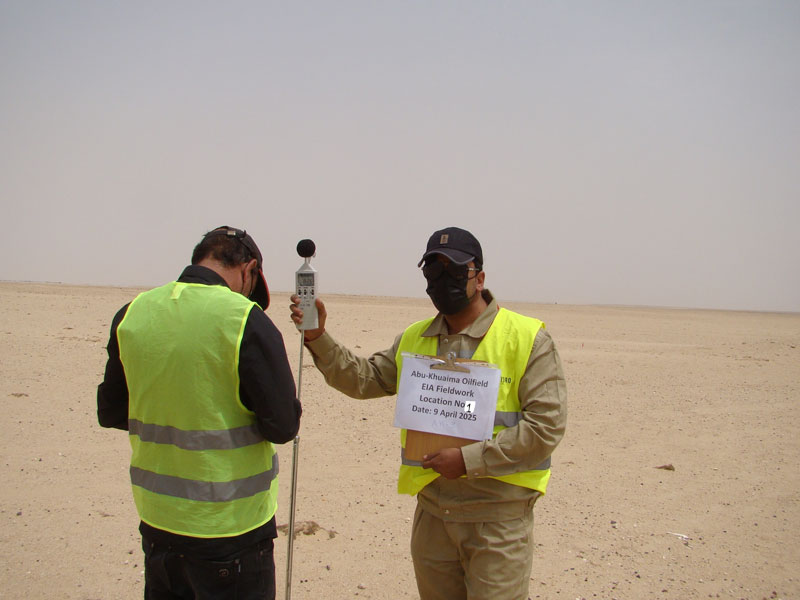
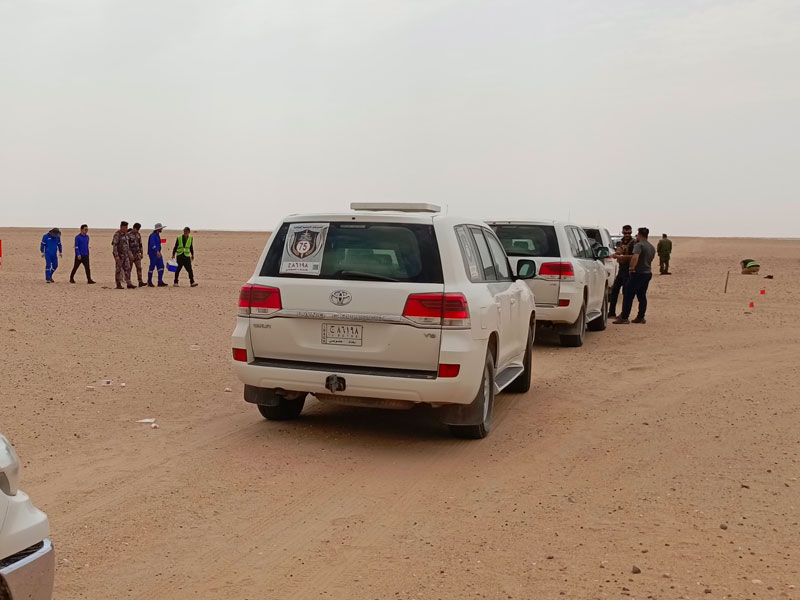
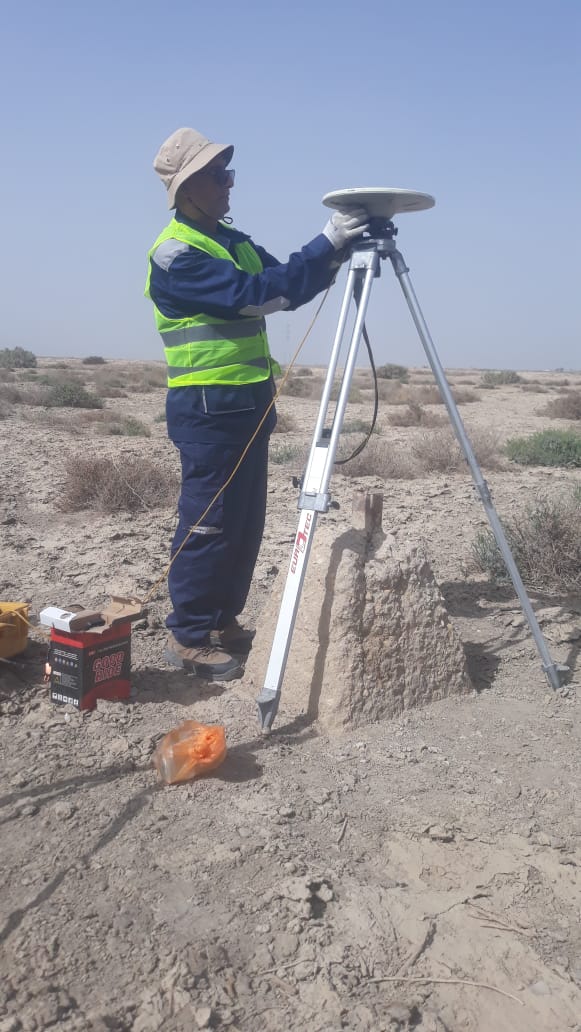
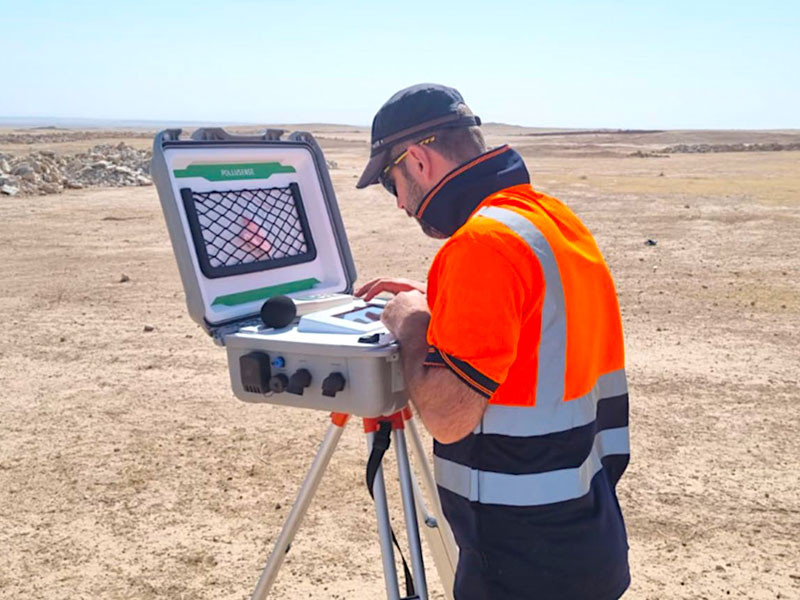
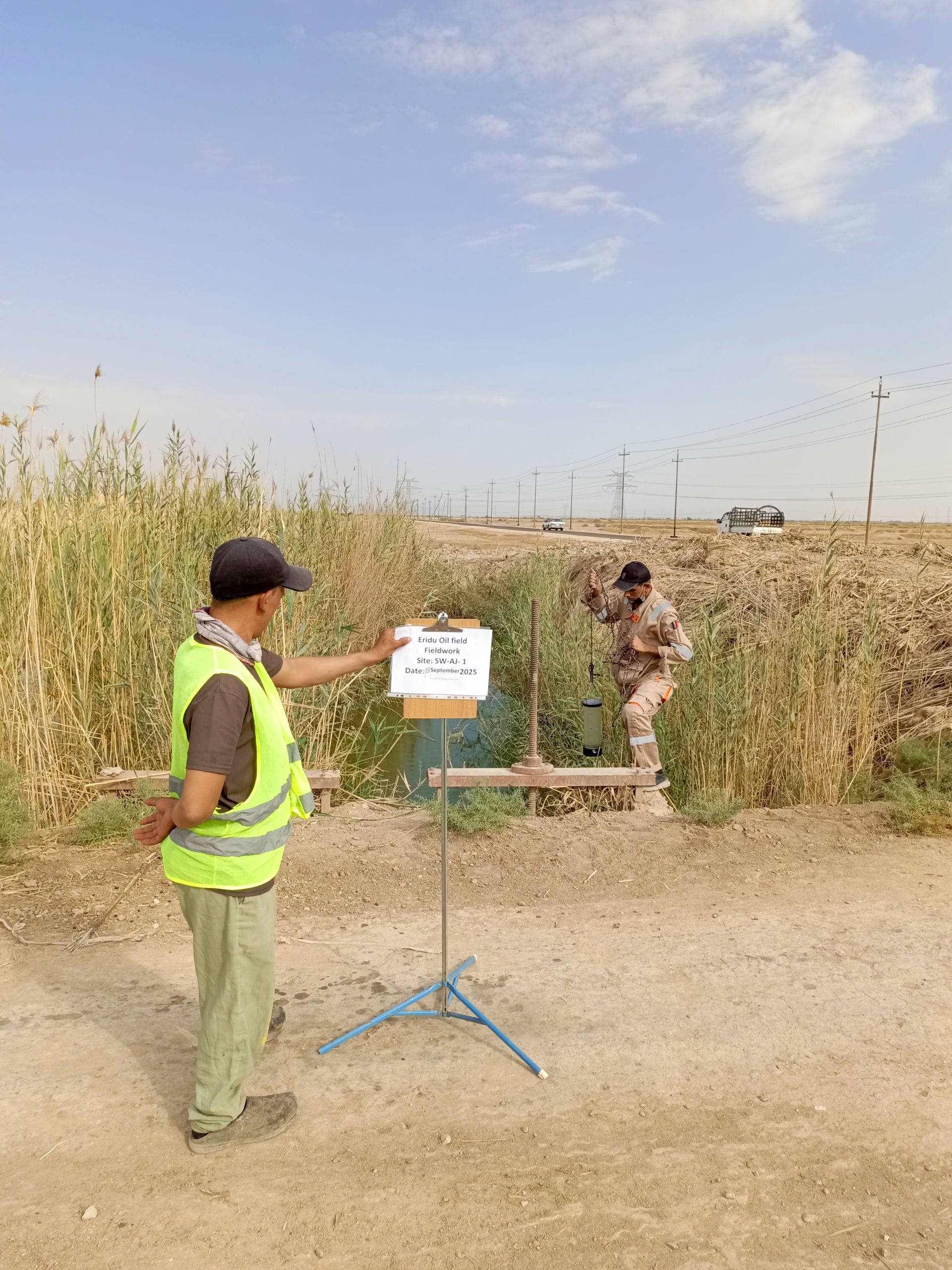
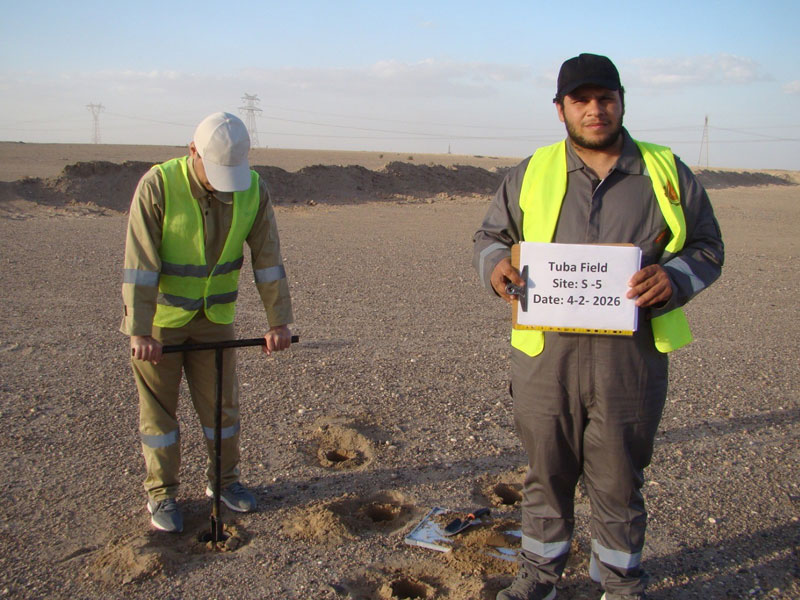
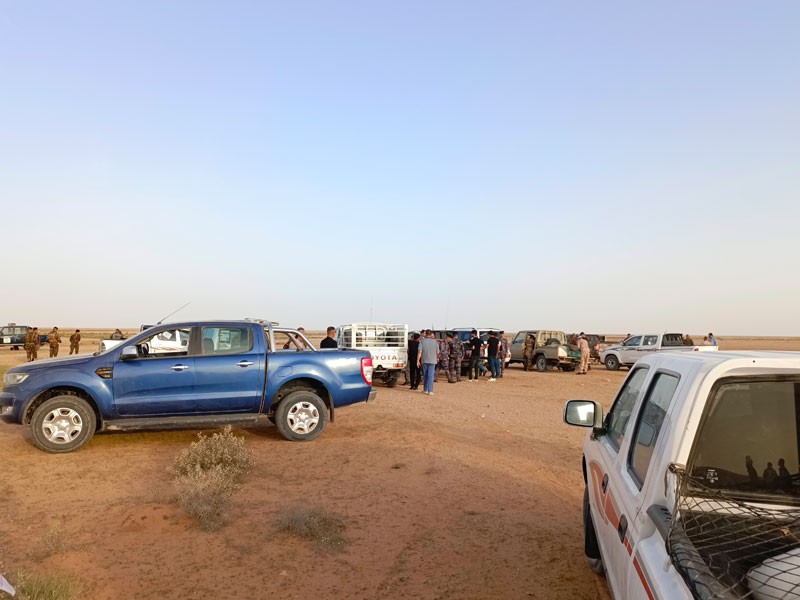
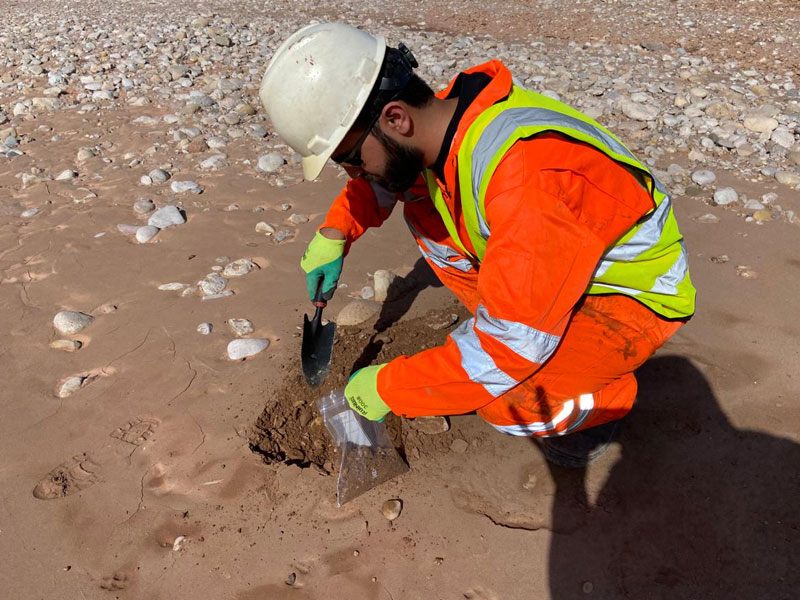
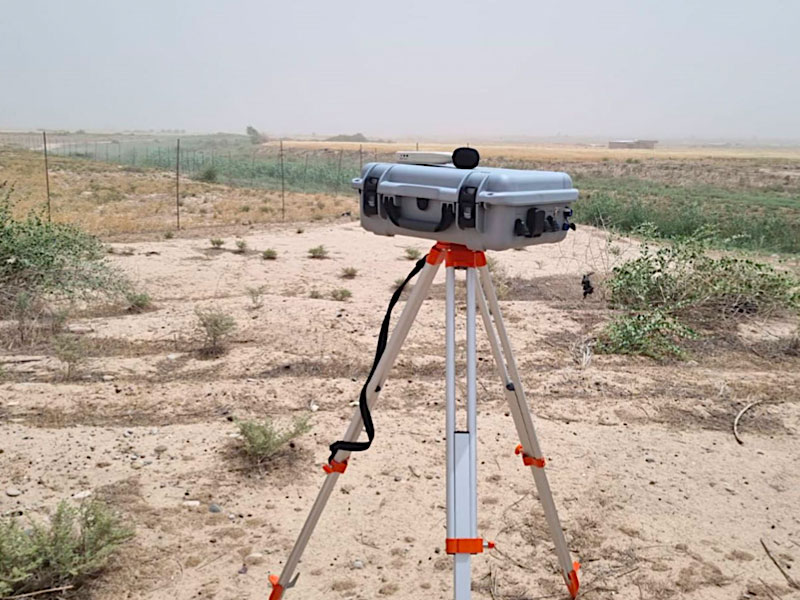
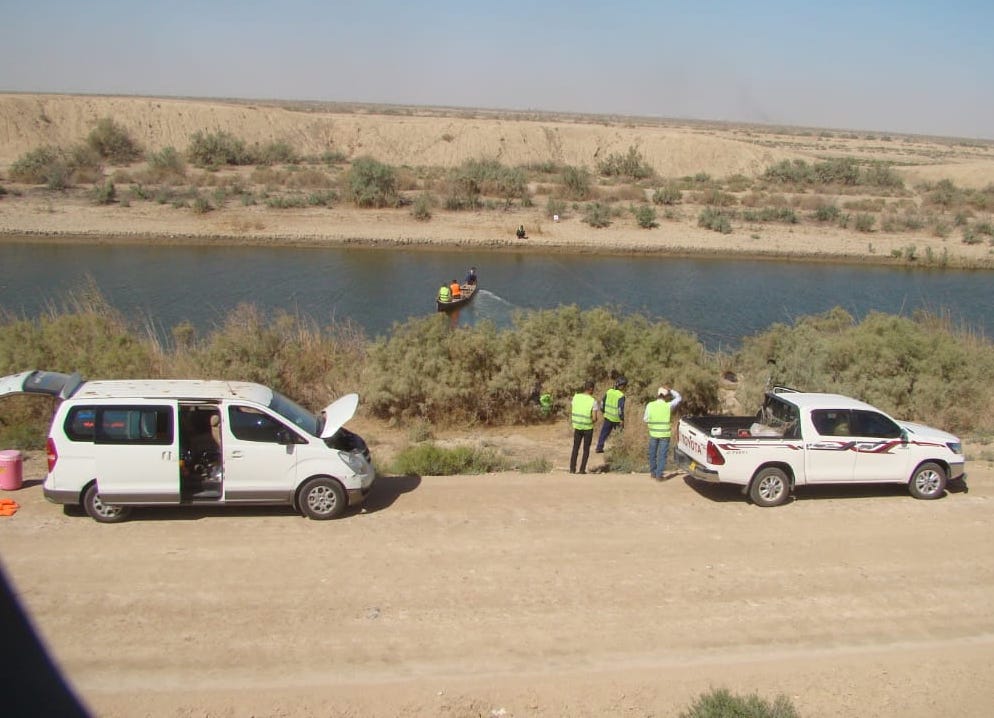
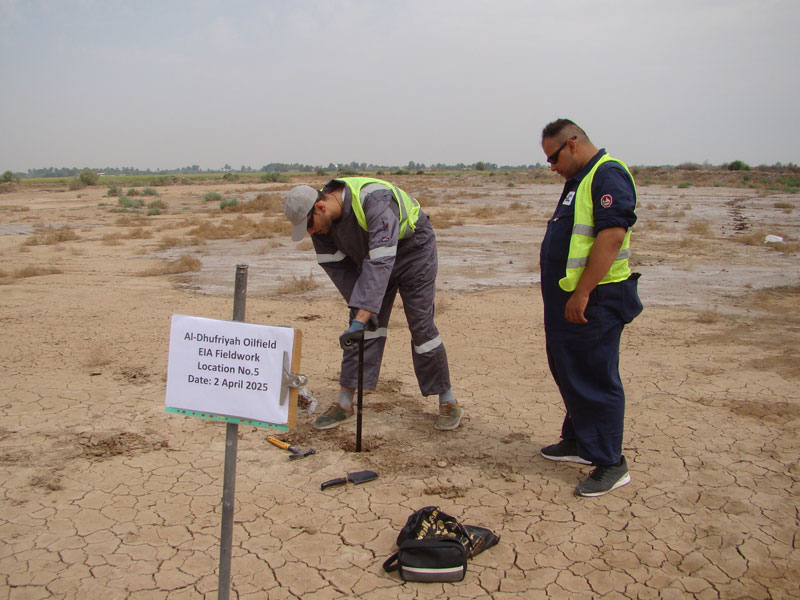
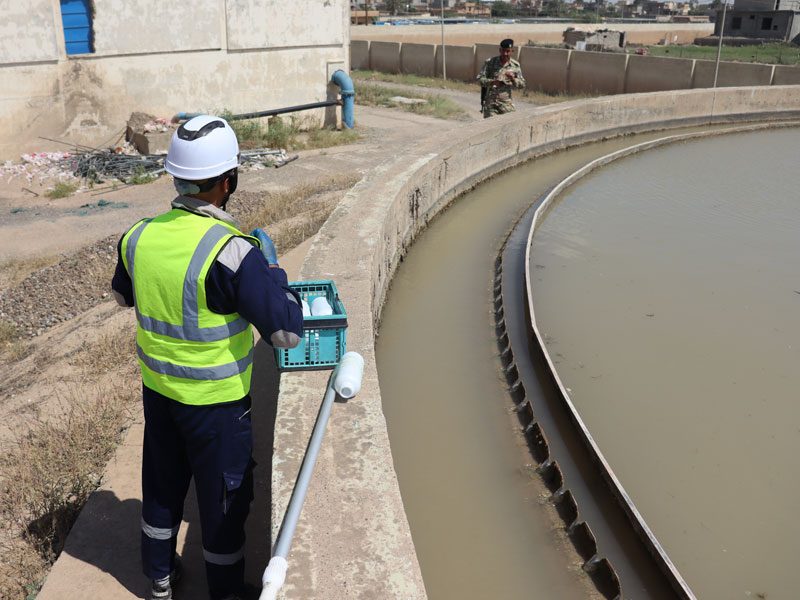
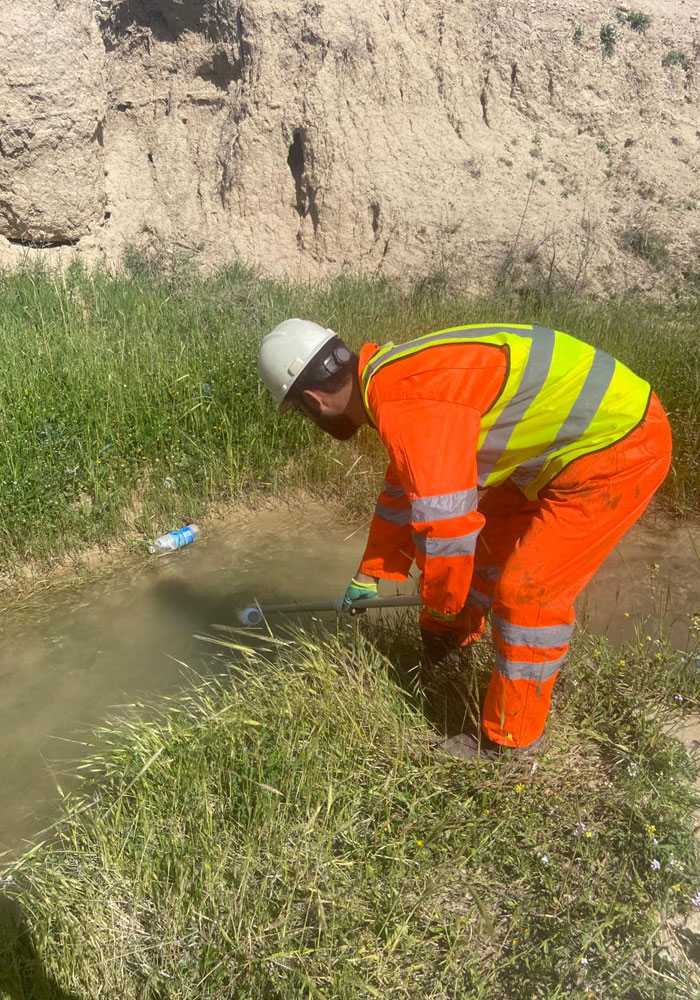
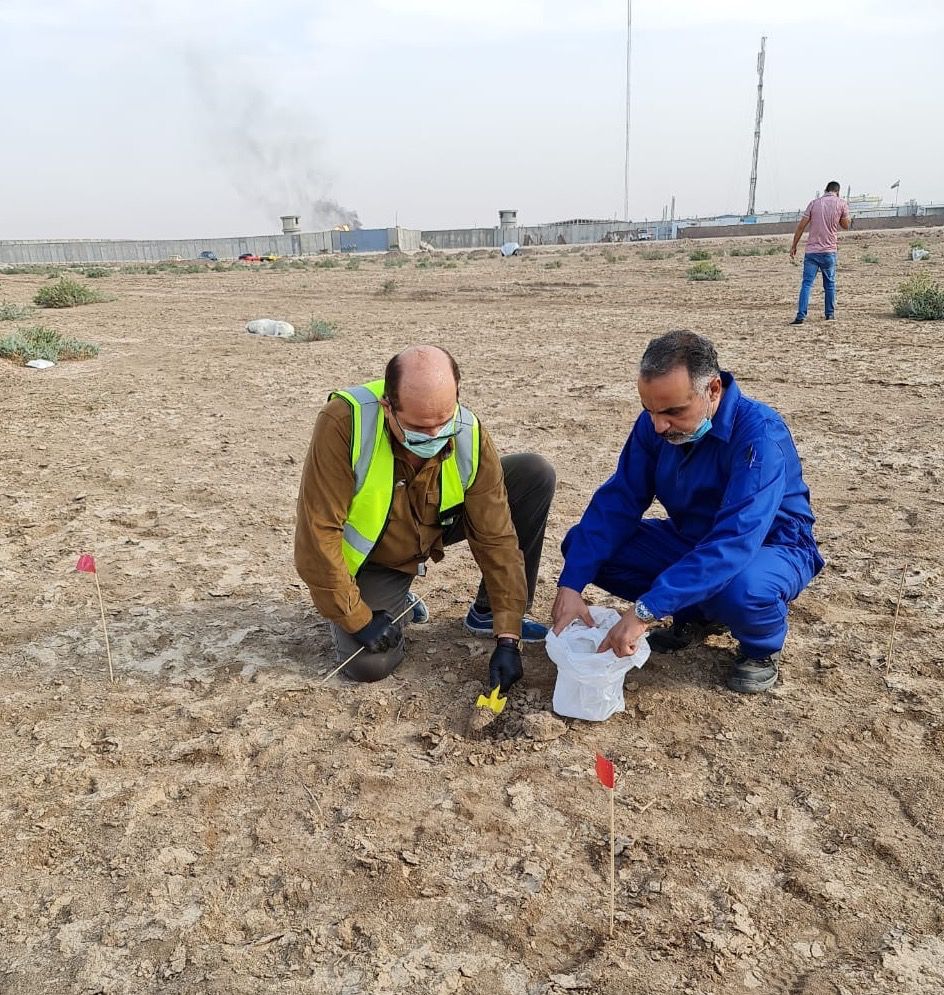
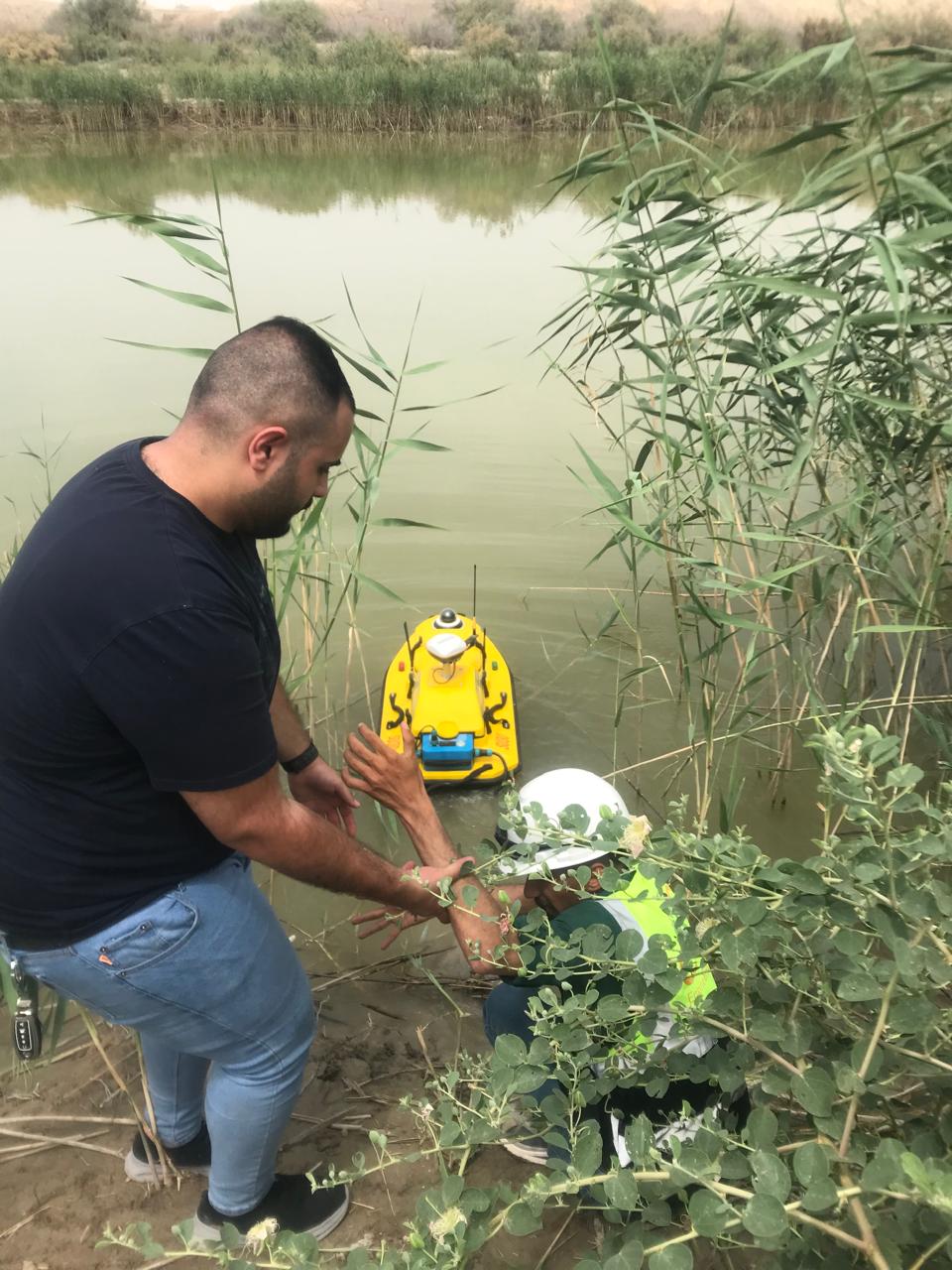
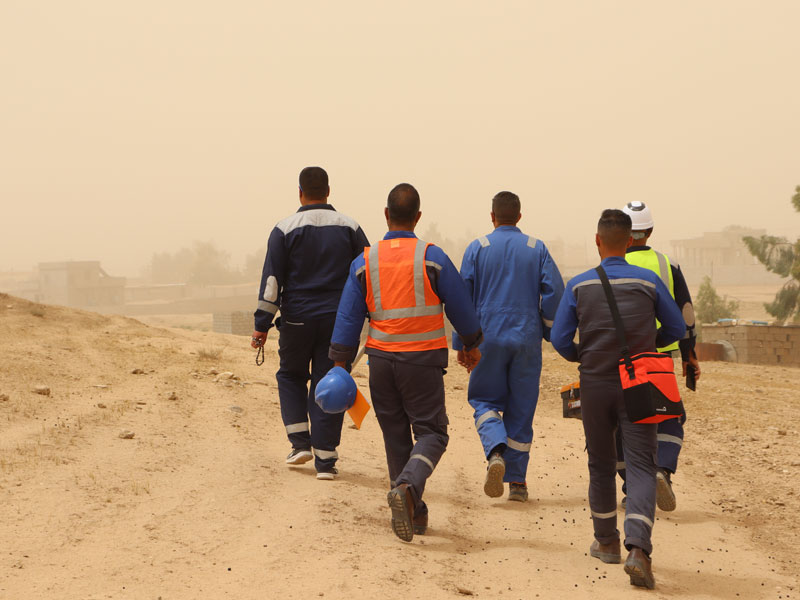
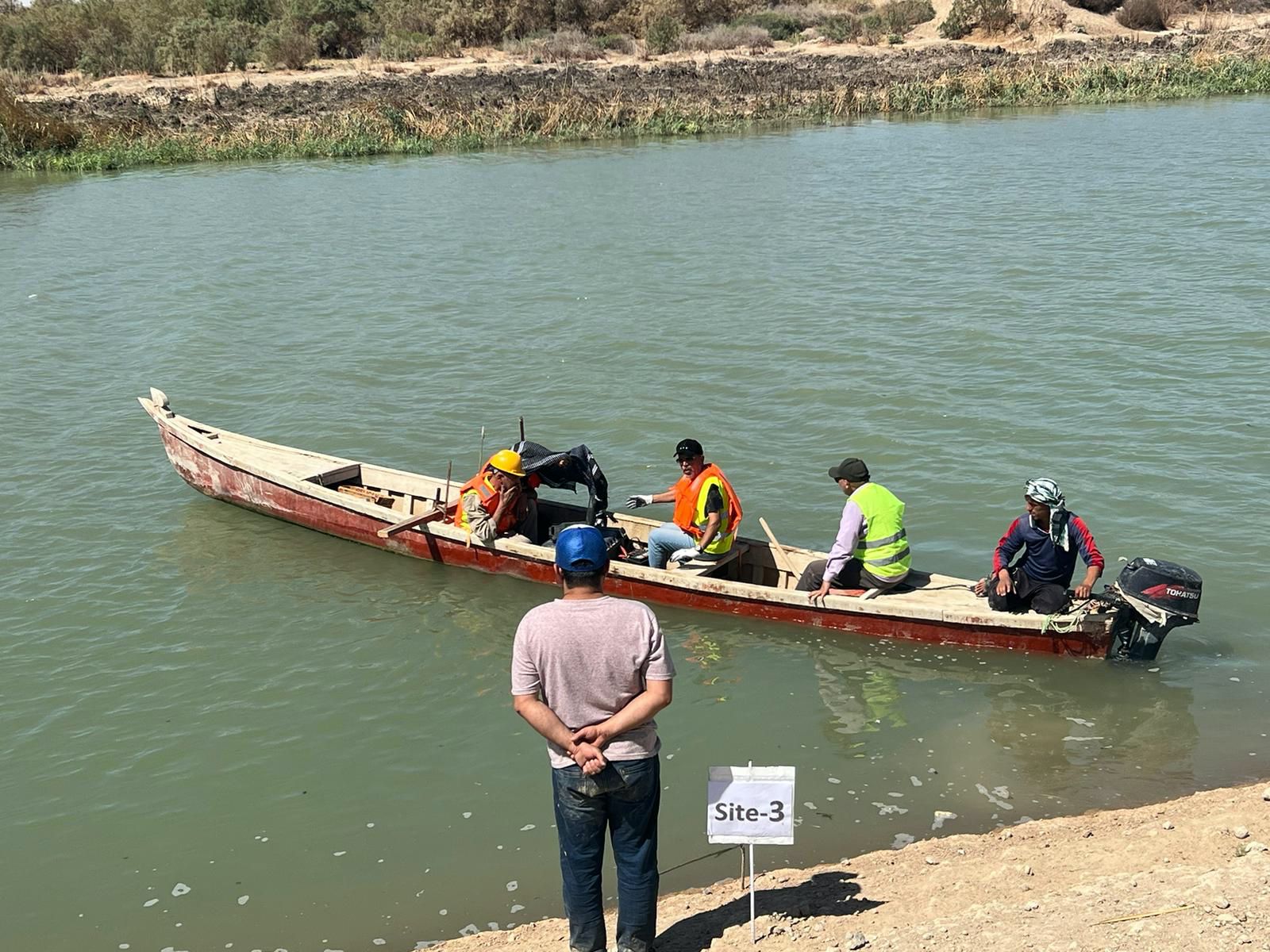
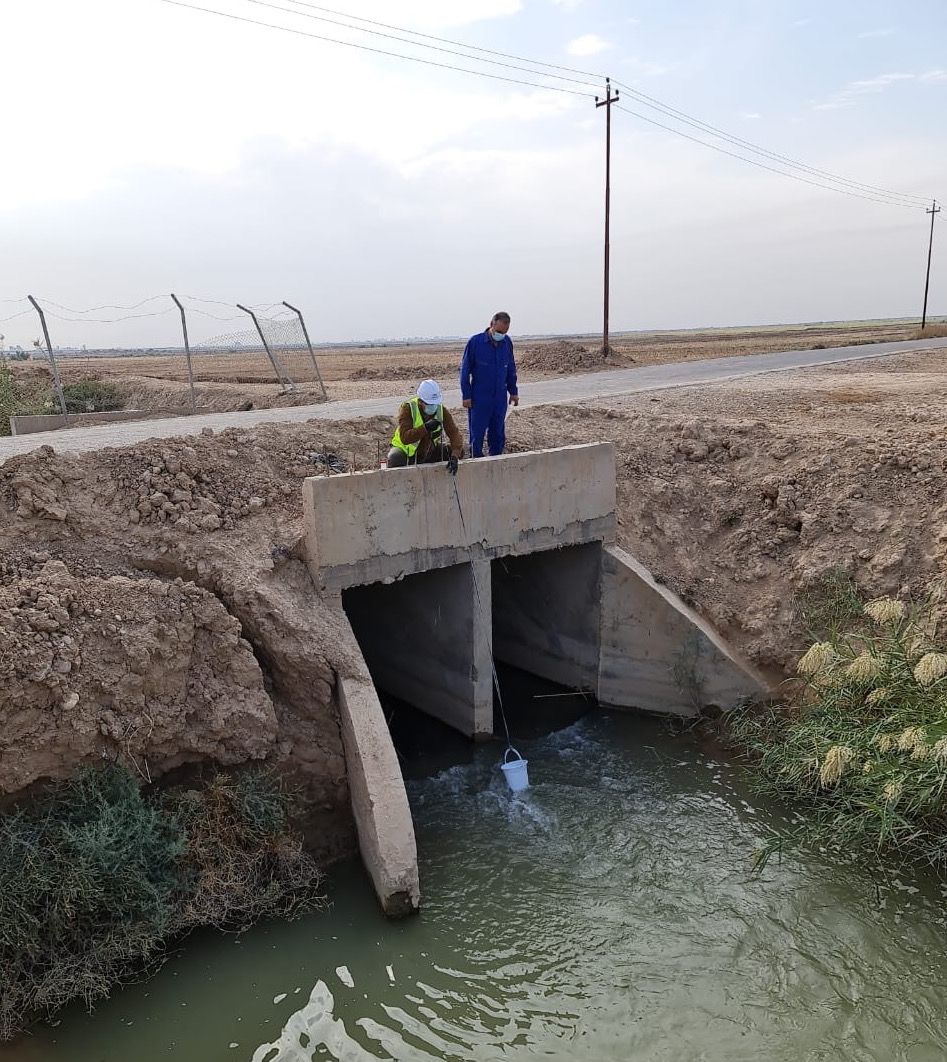
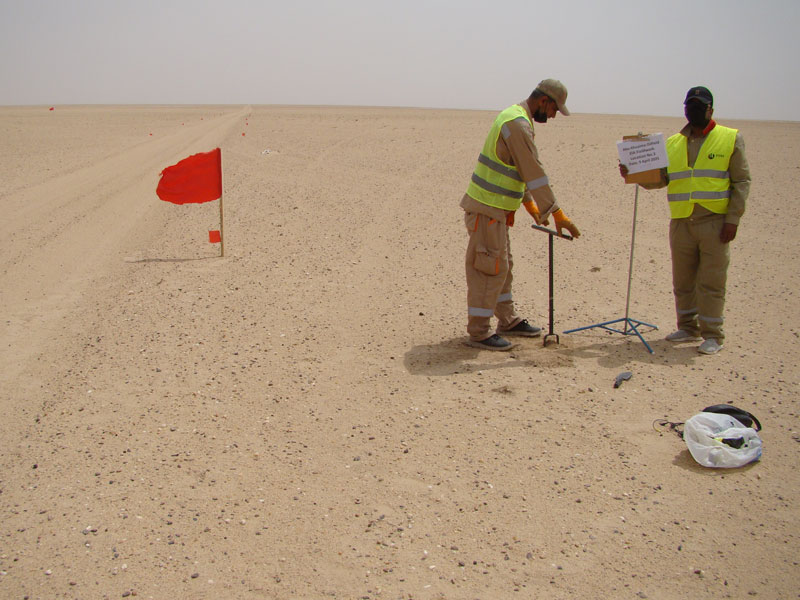
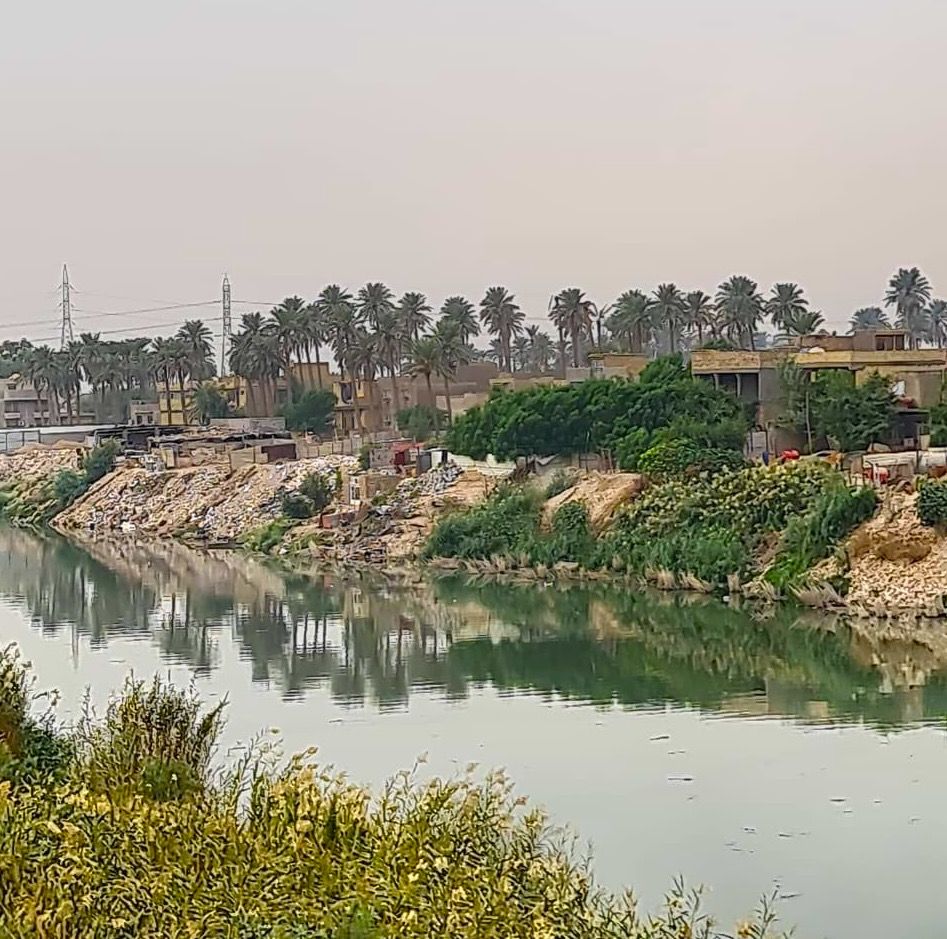
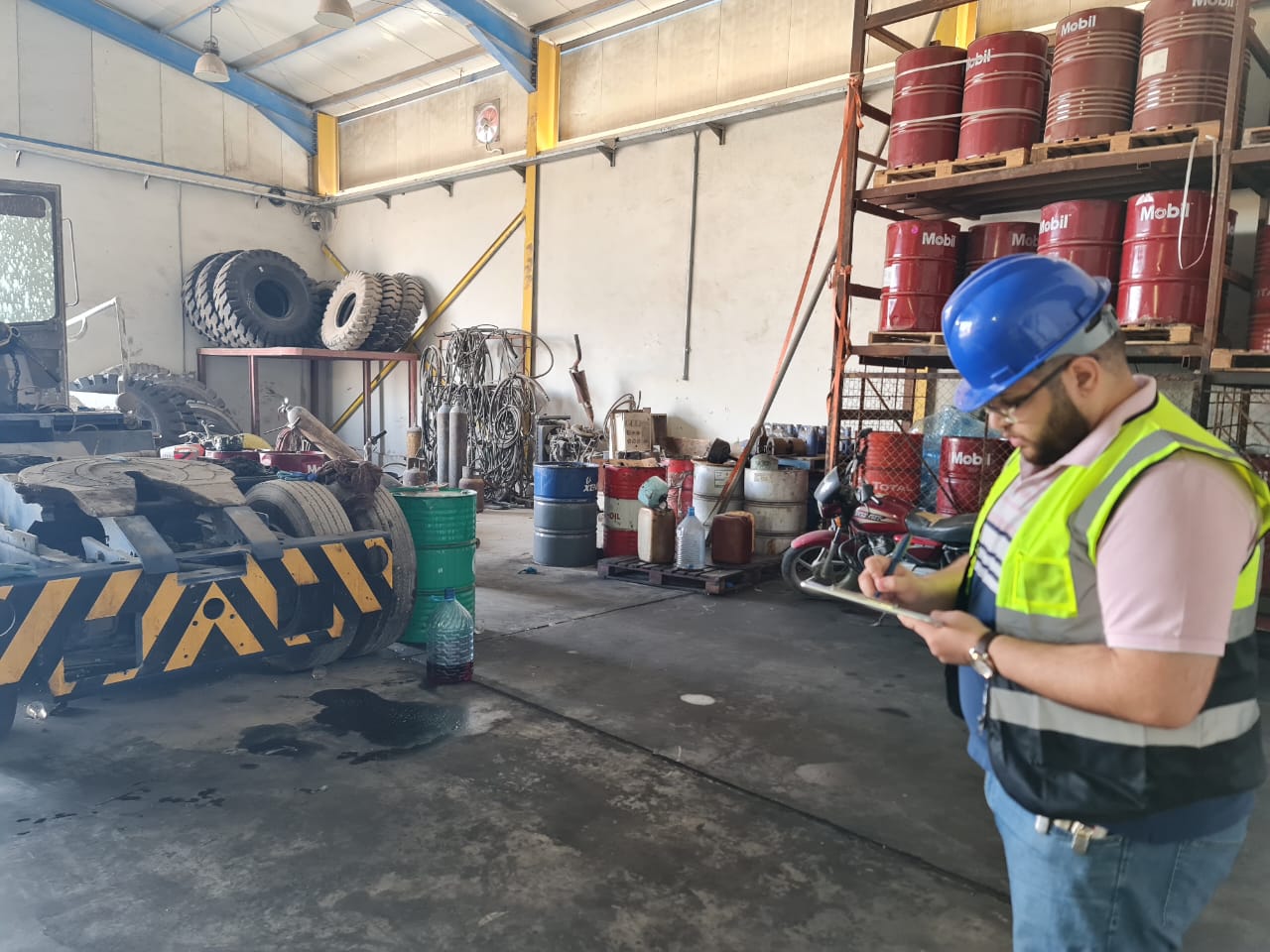
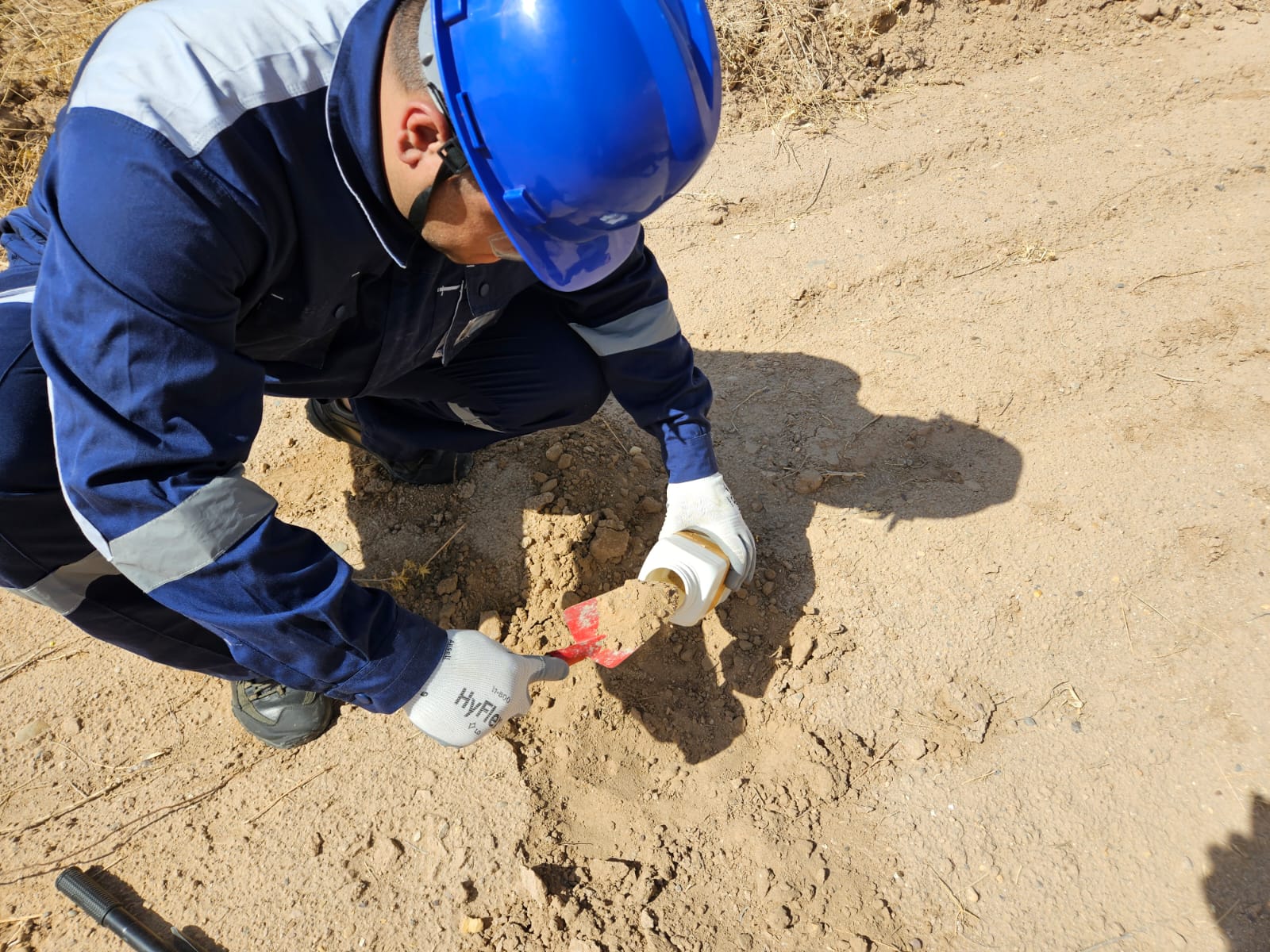
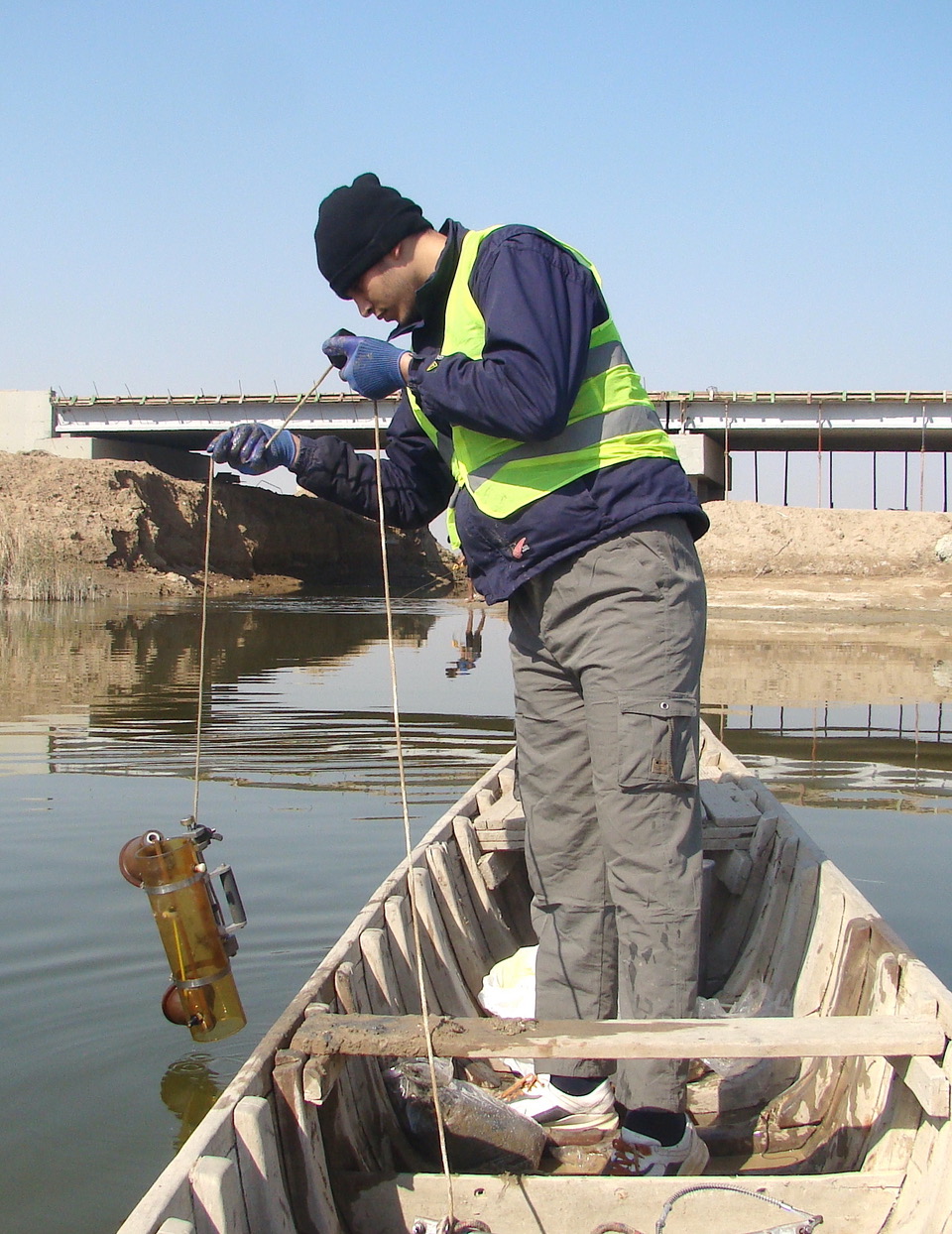
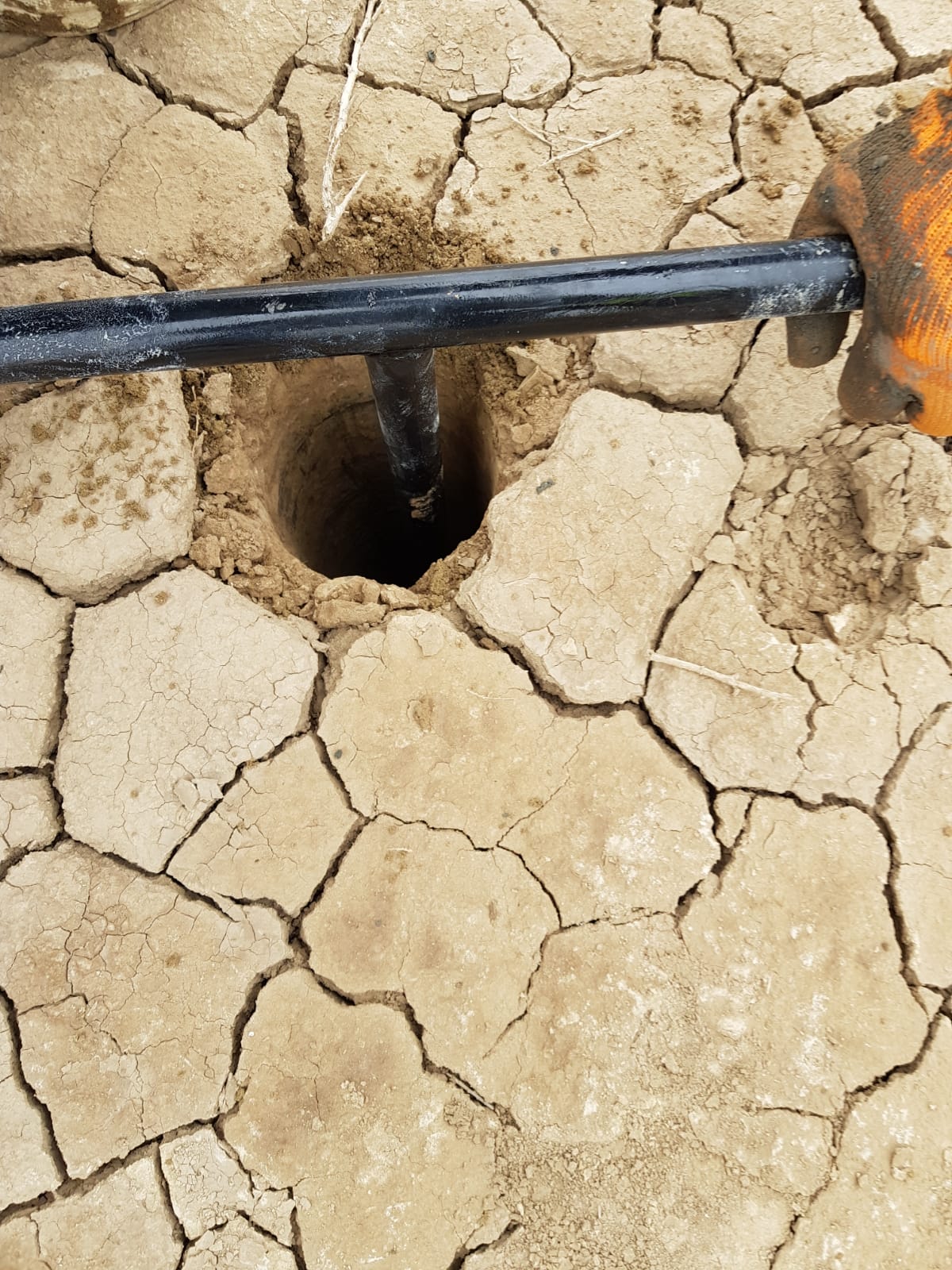
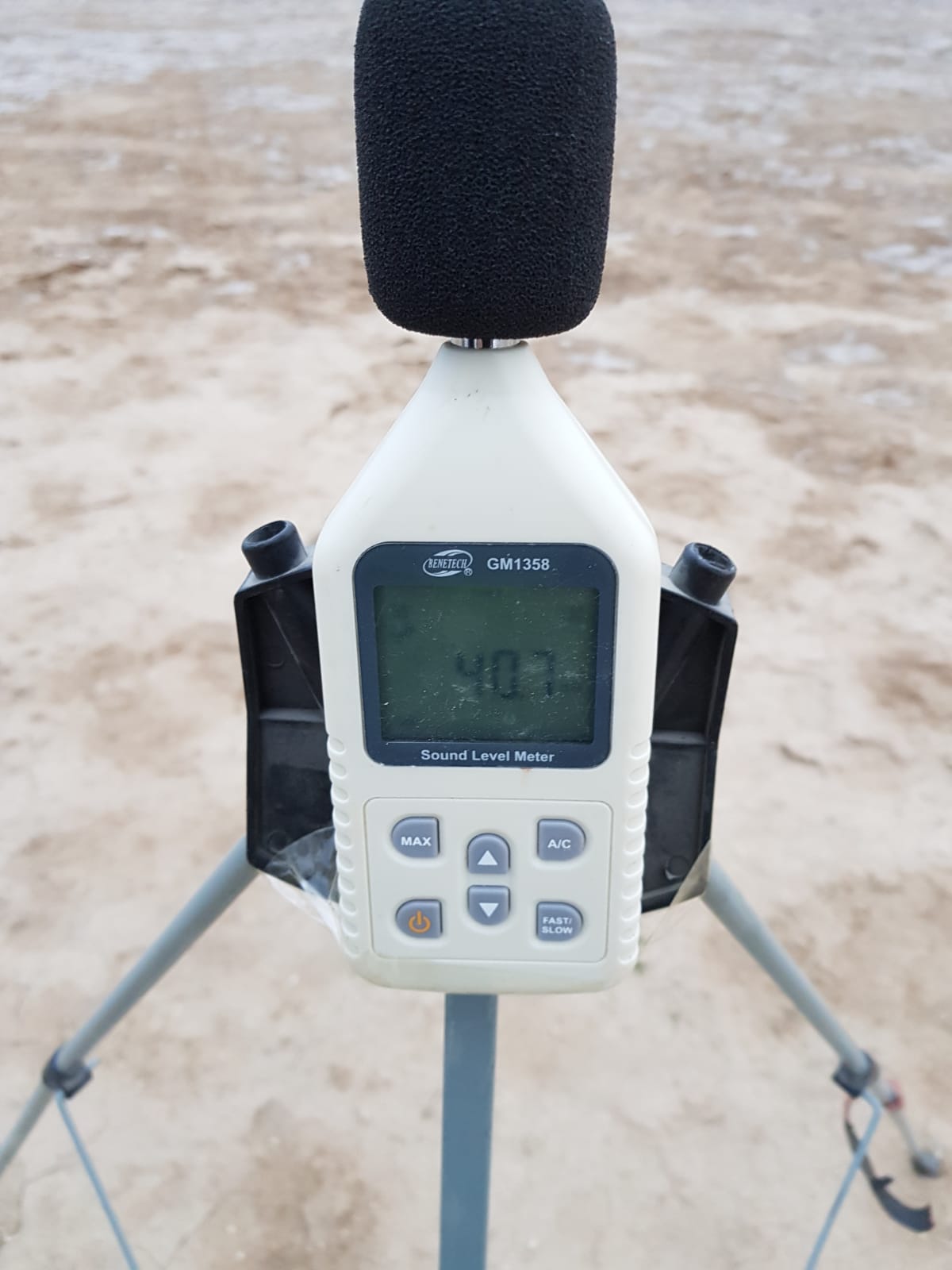
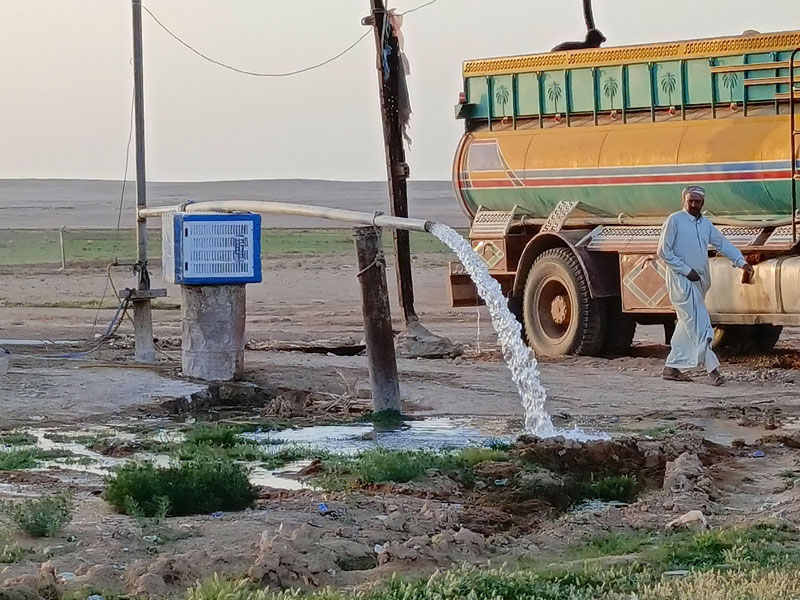
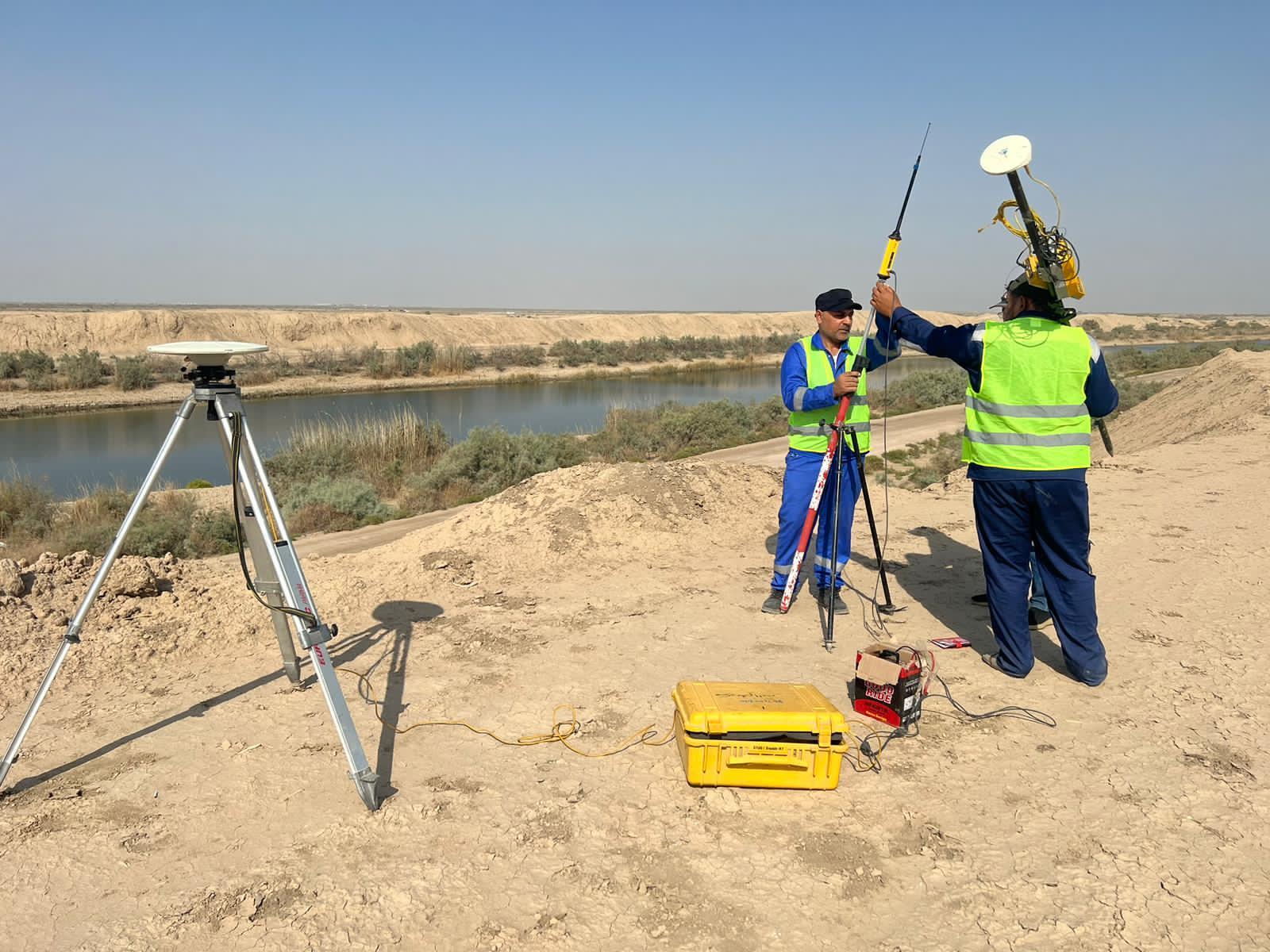
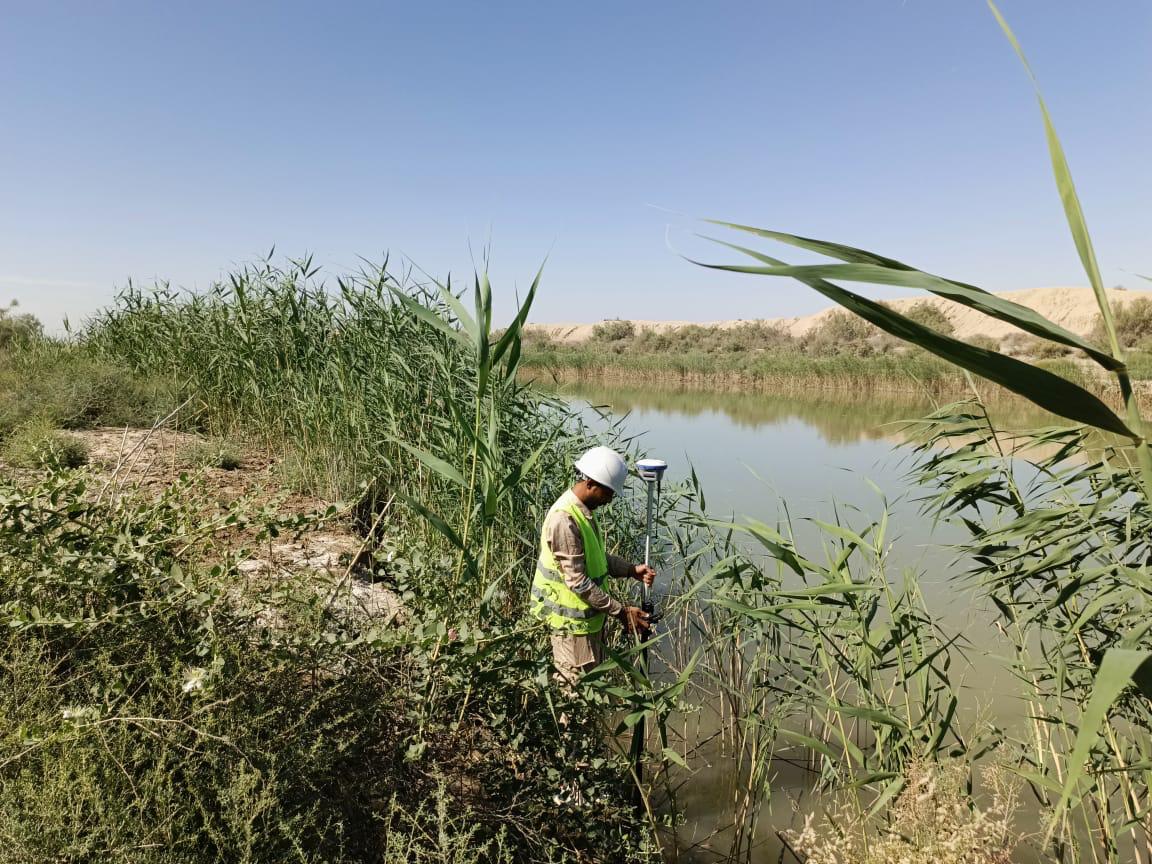
IECC field teams follow standardized, QA/QC-driven procedures during EIA fieldwork to ensure reliable data for impact assessment and permitting. Soil sampling is conducted using stratified, depth-specific grabs and core samples with chain-of-custody documentation for laboratory analysis. Surface and groundwater sampling follow established protocols for location selection, purging, in-situ parameter measurement (pH, temperature, conductivity, dissolved oxygen), sterile sampling techniques, and secure transport to accredited labs. Air quality monitoring includes fixed and portable equipment to measure air quality parameters including particulate matter, NOx, SO2, CO, and VOCs, O3 plus meteorological data collection to support dispersion analysis. Ambient noise measurements are taken using calibrated sound level meters at representative receptors and construction locations. Photos of these field activities are presented below to illustrate our methods and quality controls.








Biodiversity Pictures
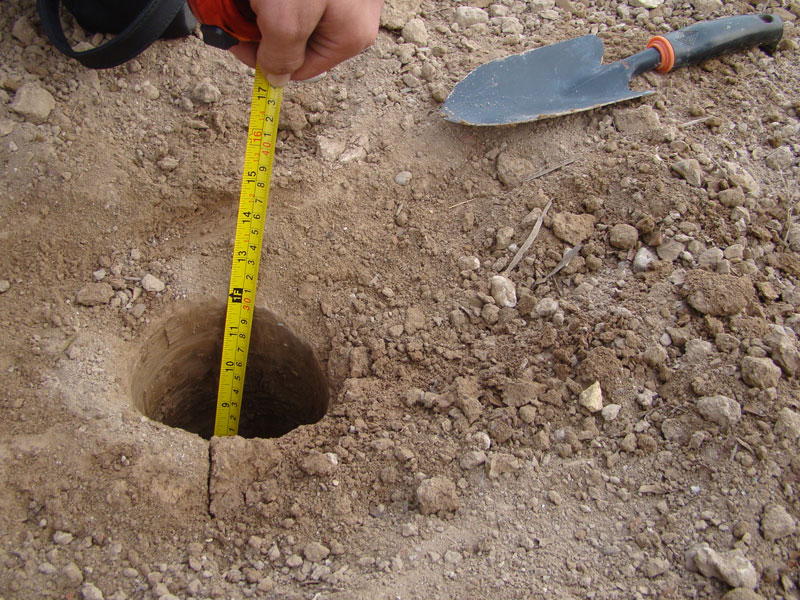
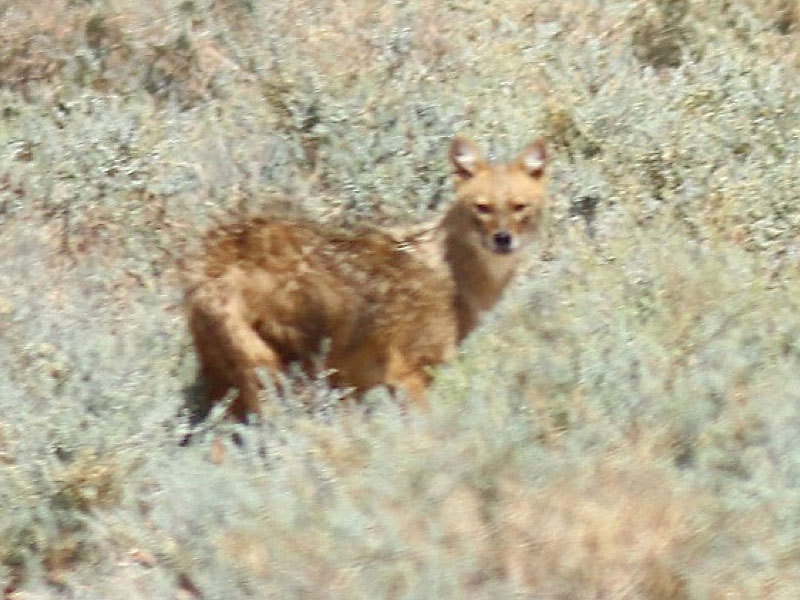
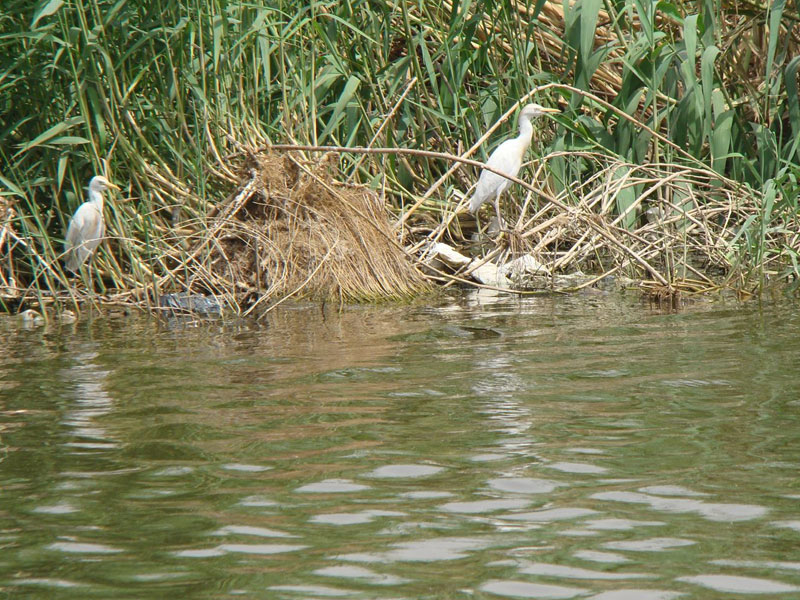
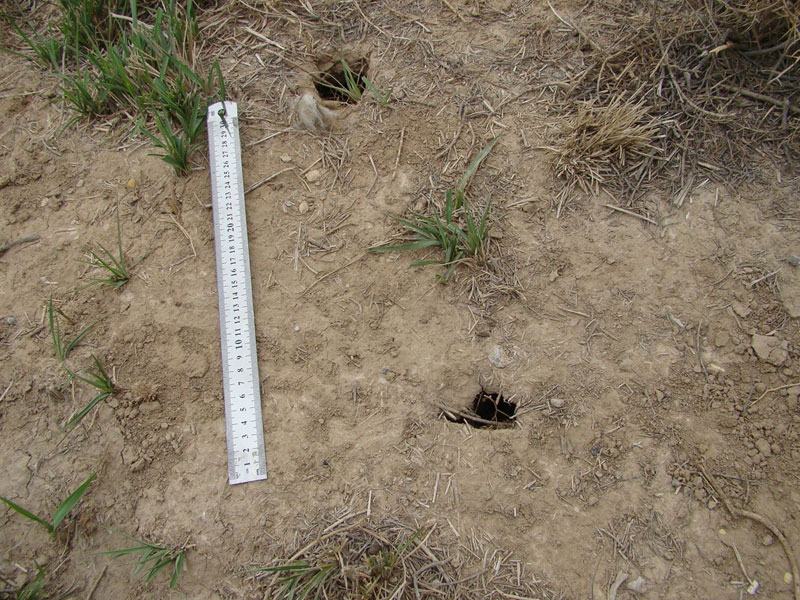
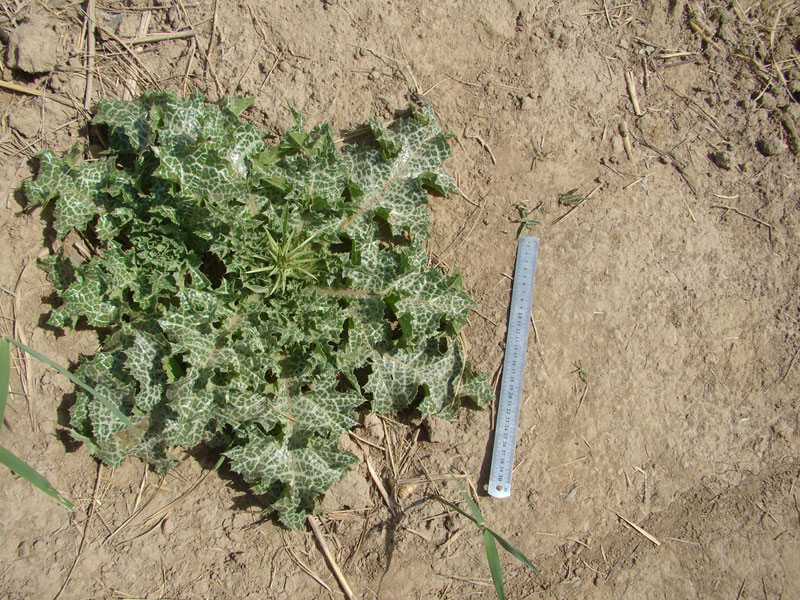
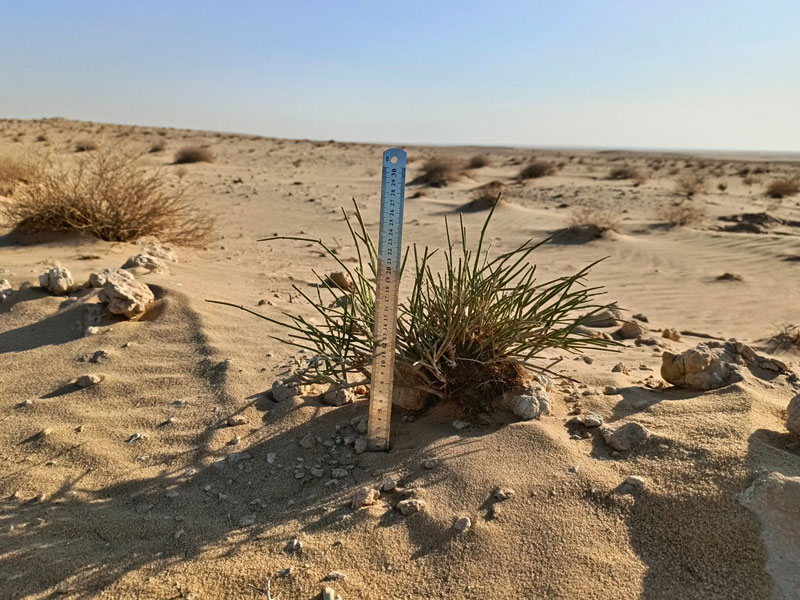
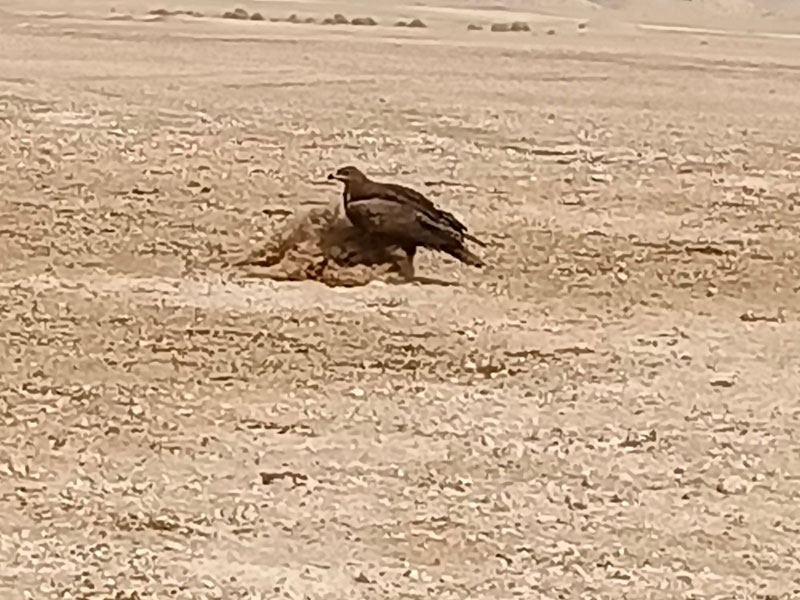
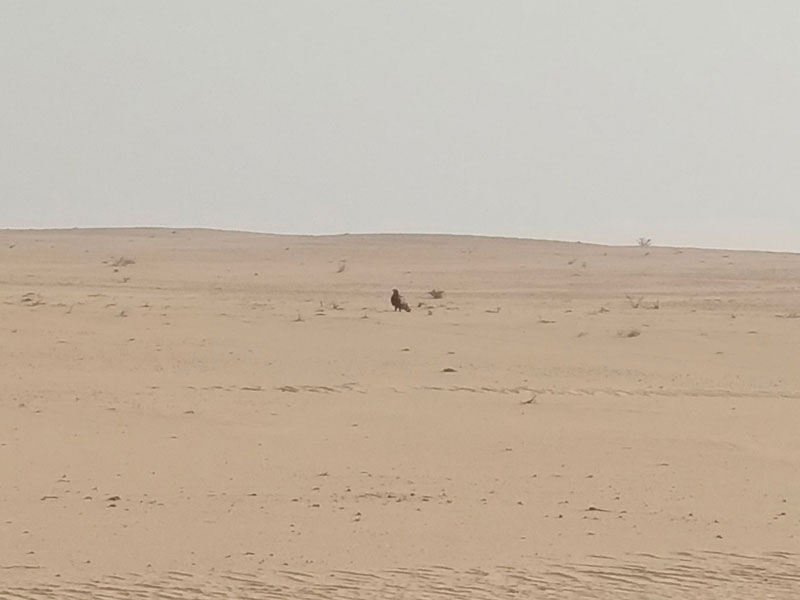
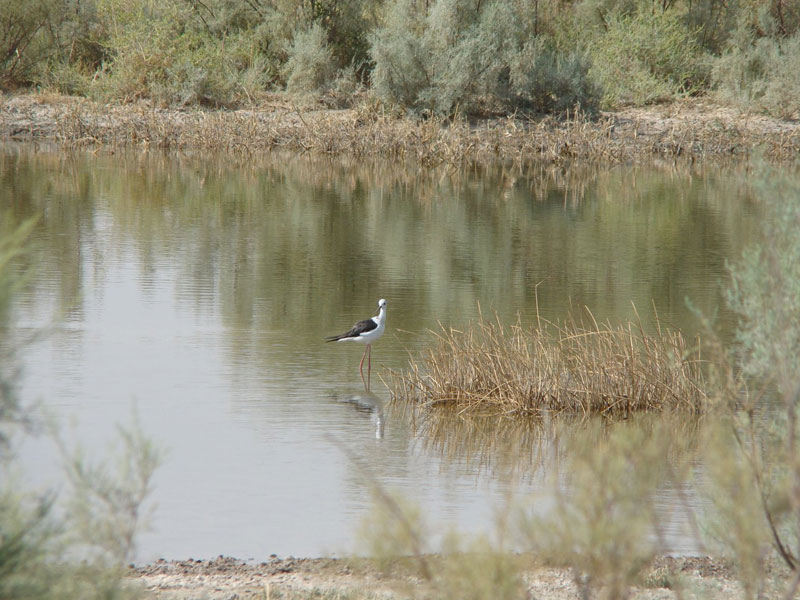
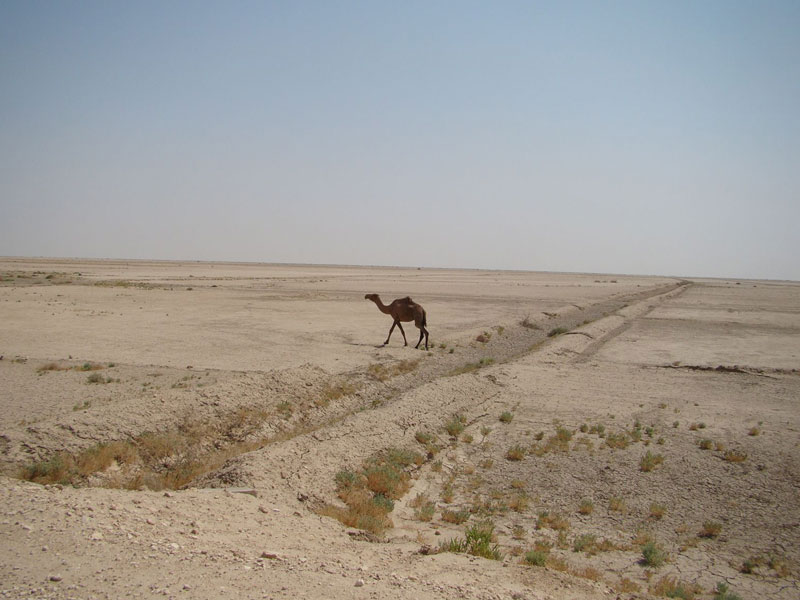
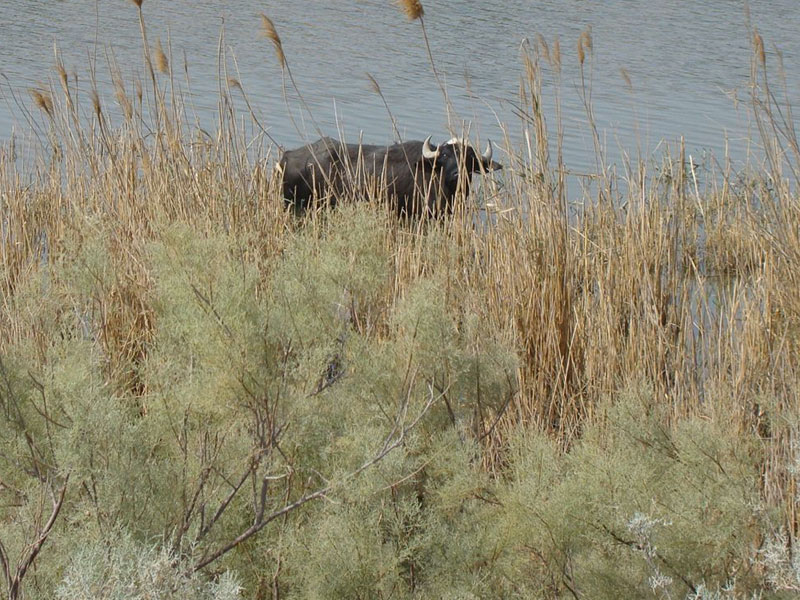
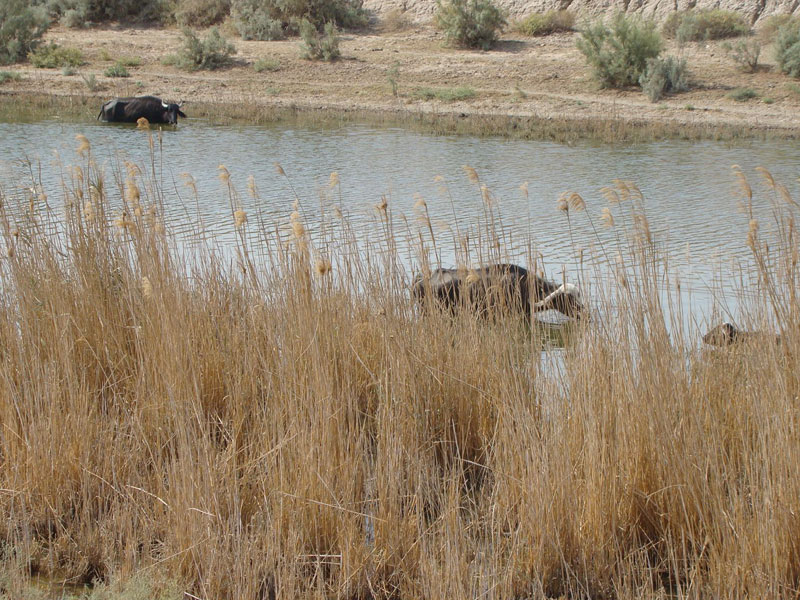
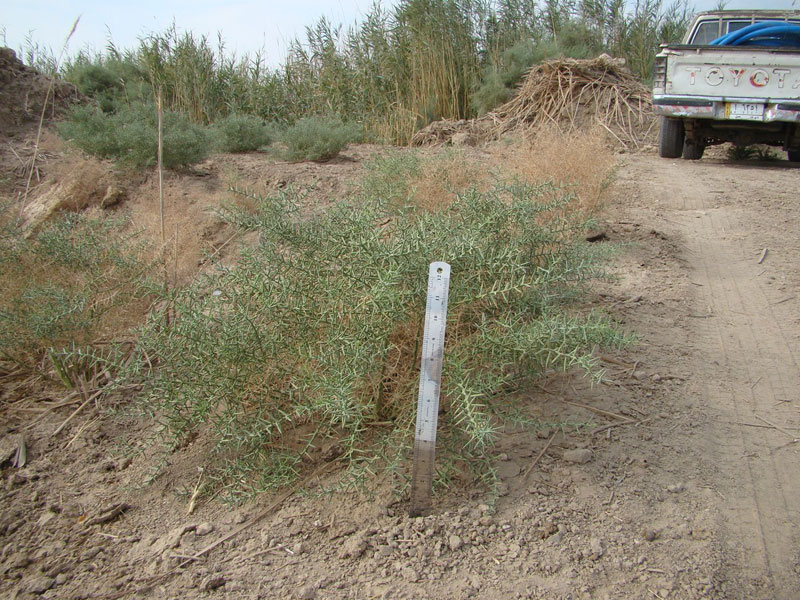
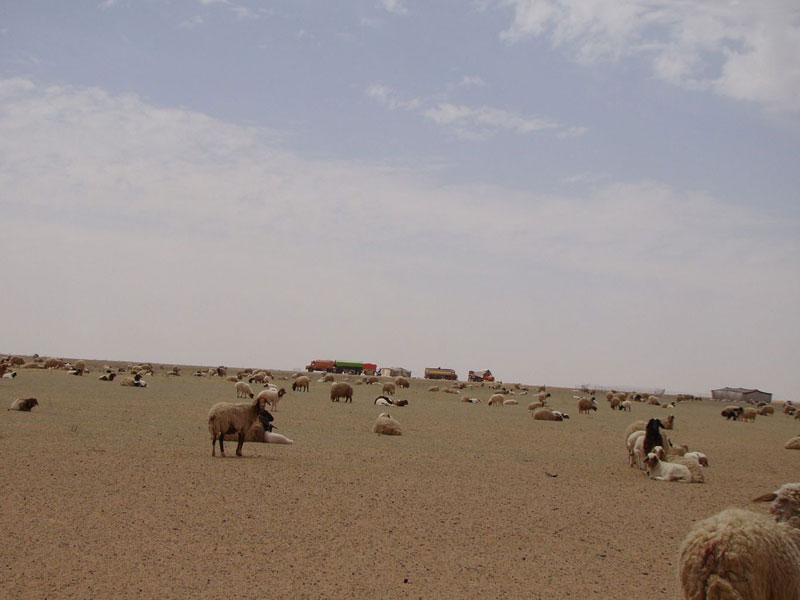
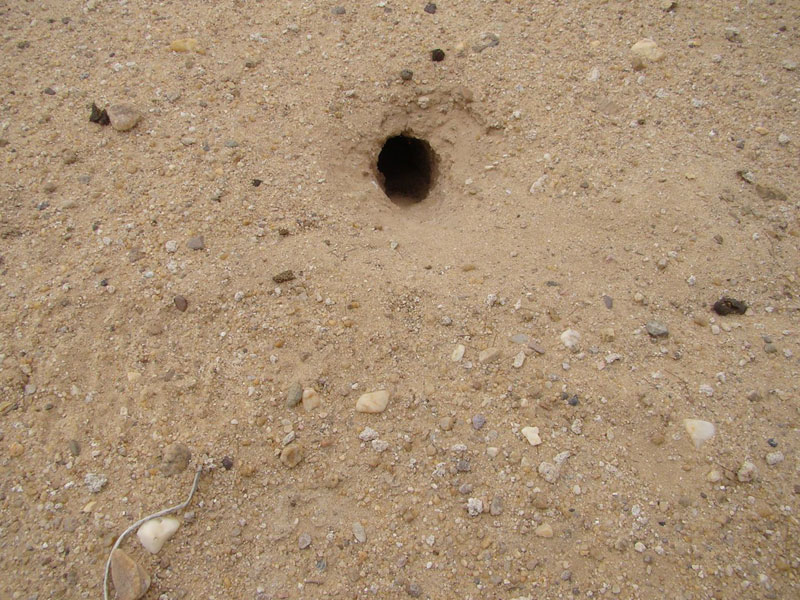
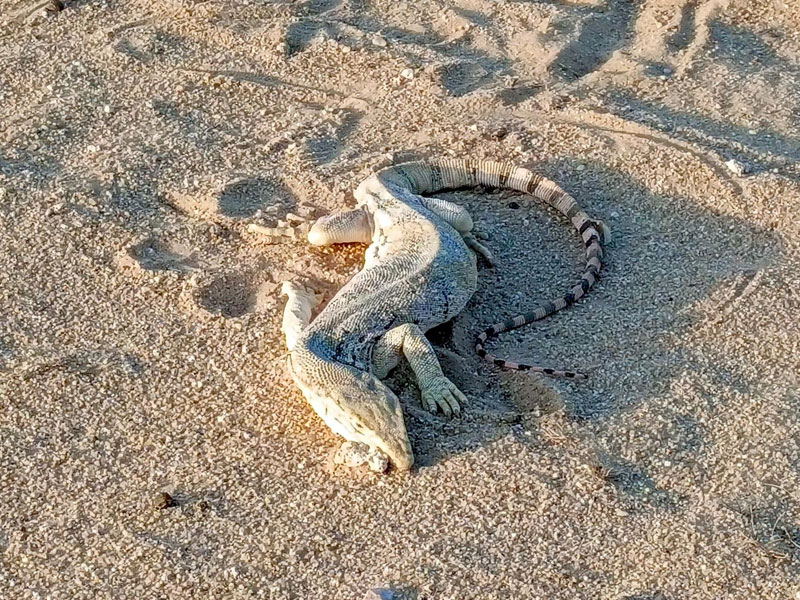
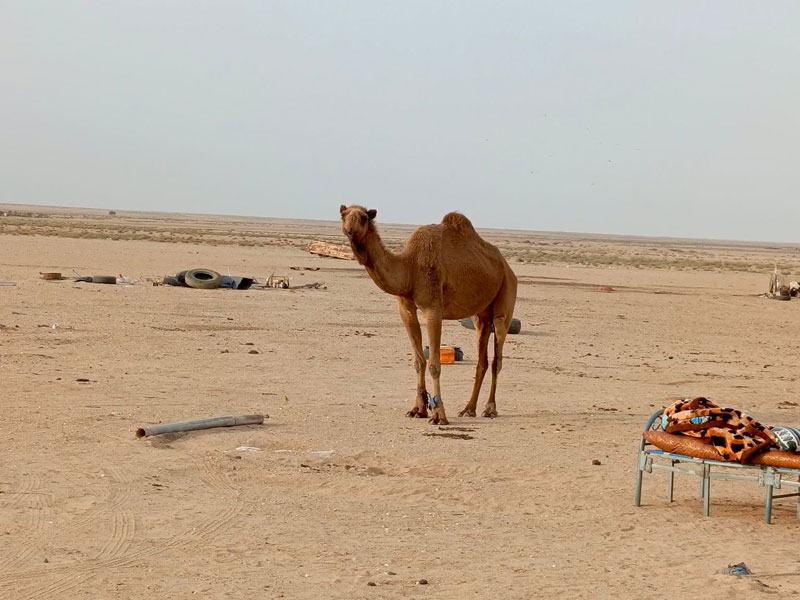
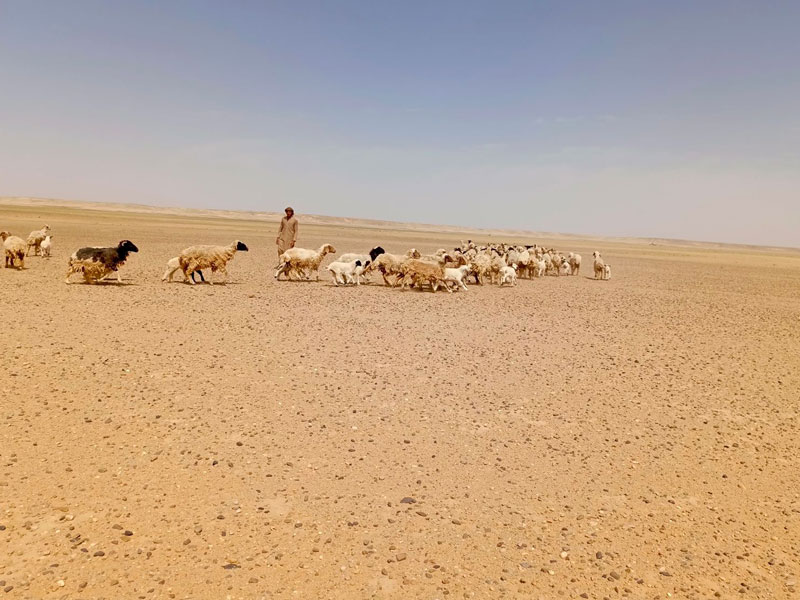
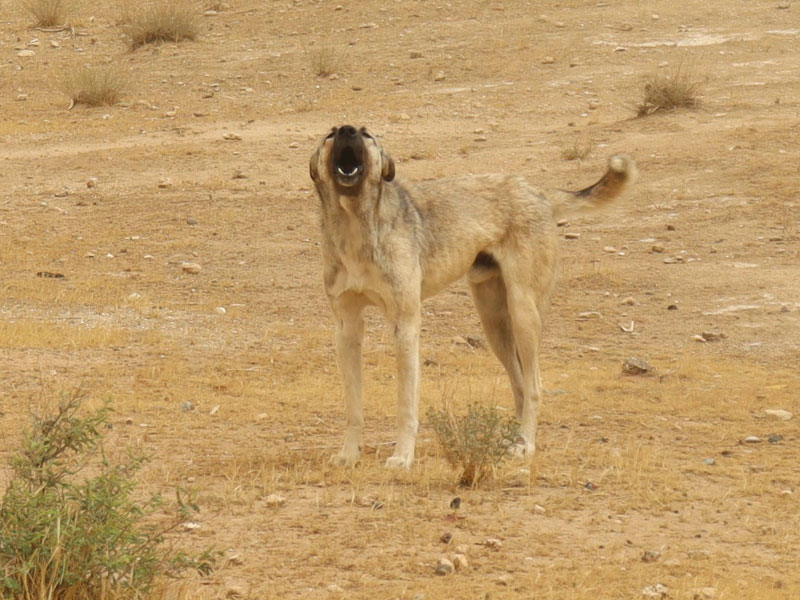
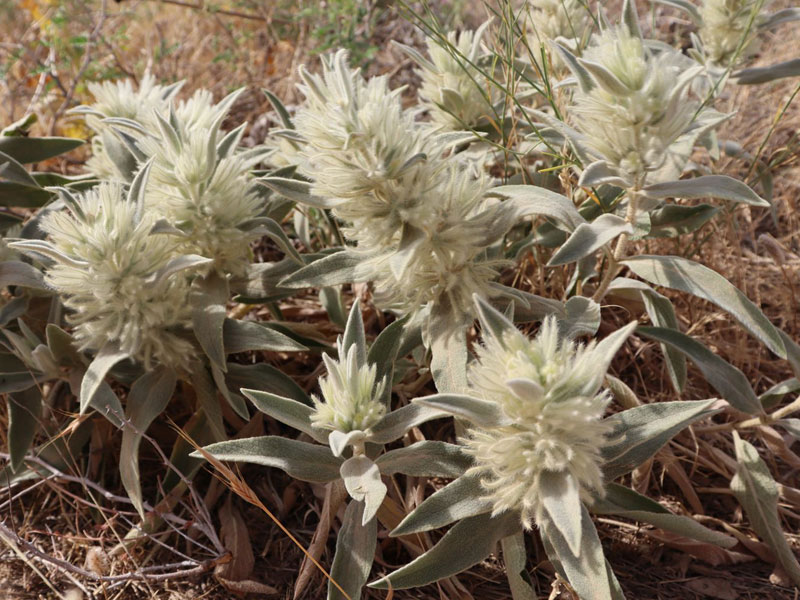
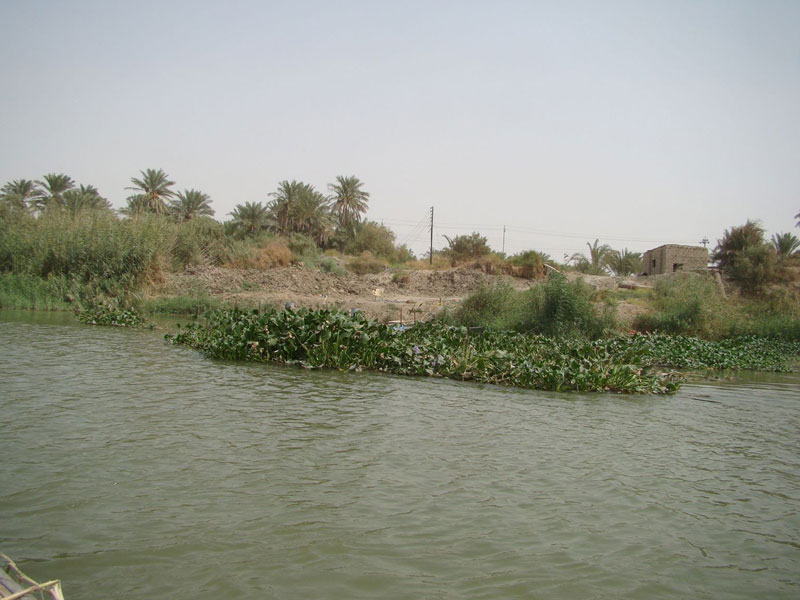
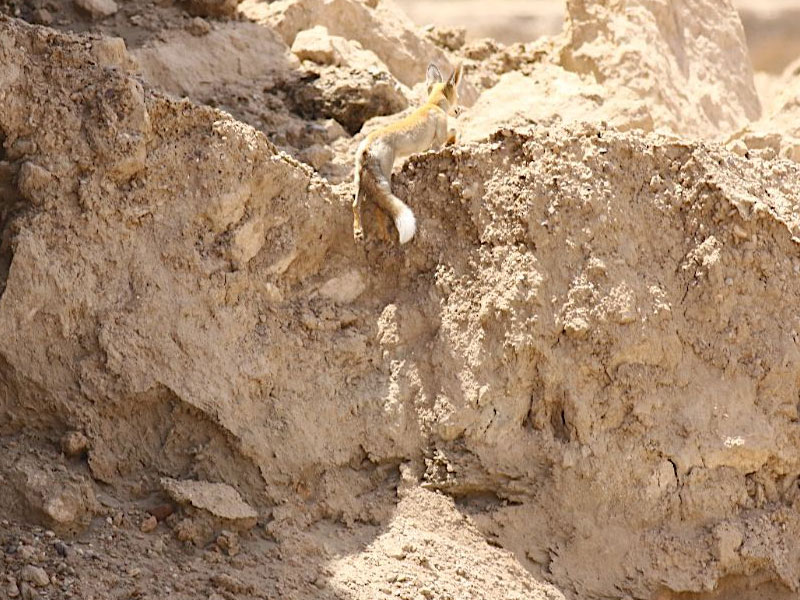
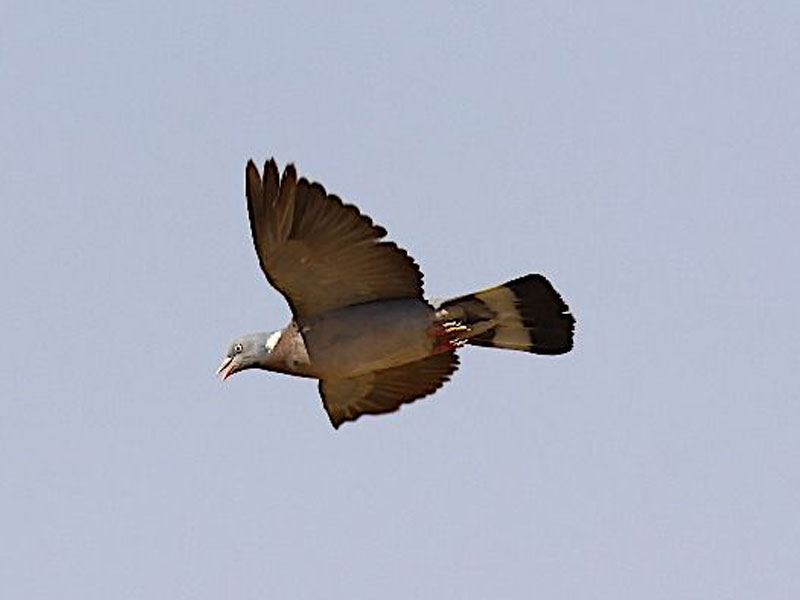
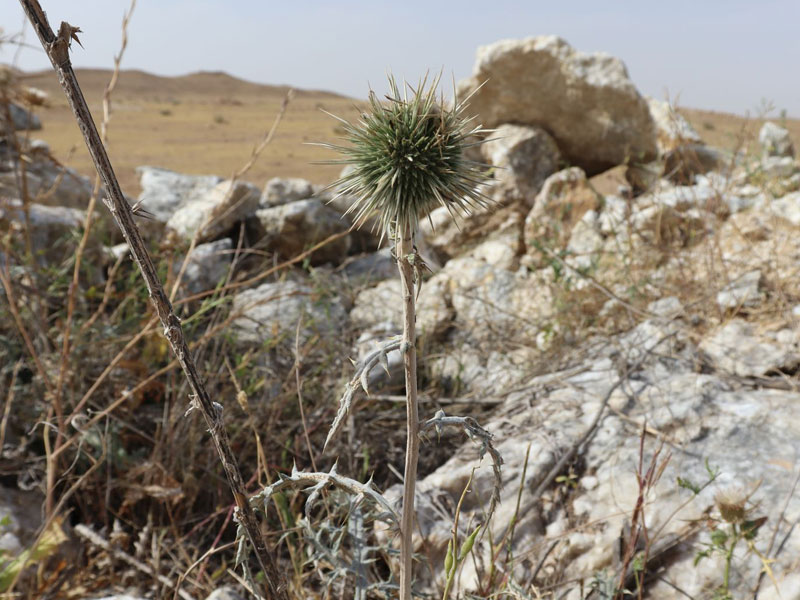
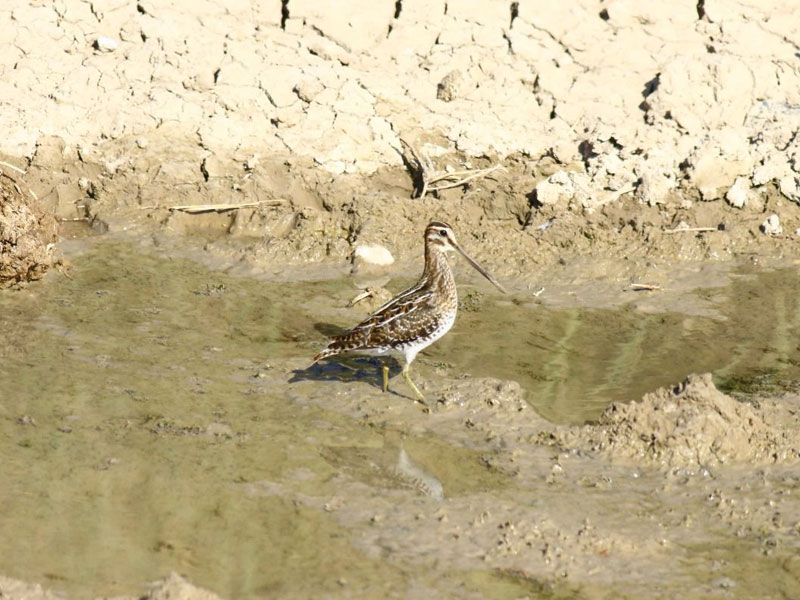
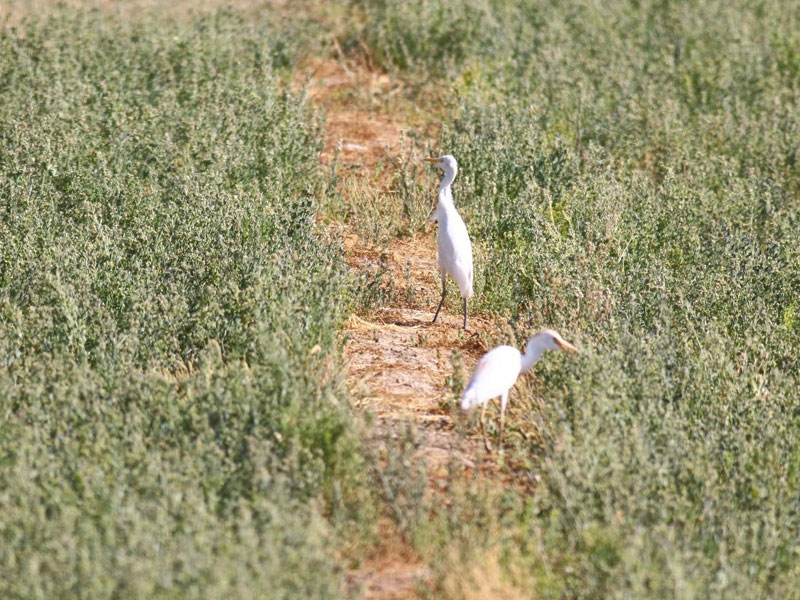
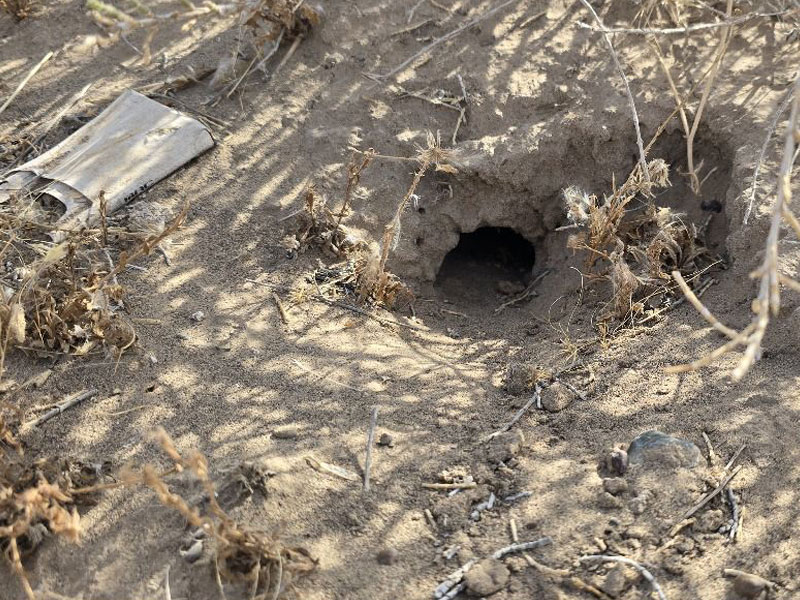
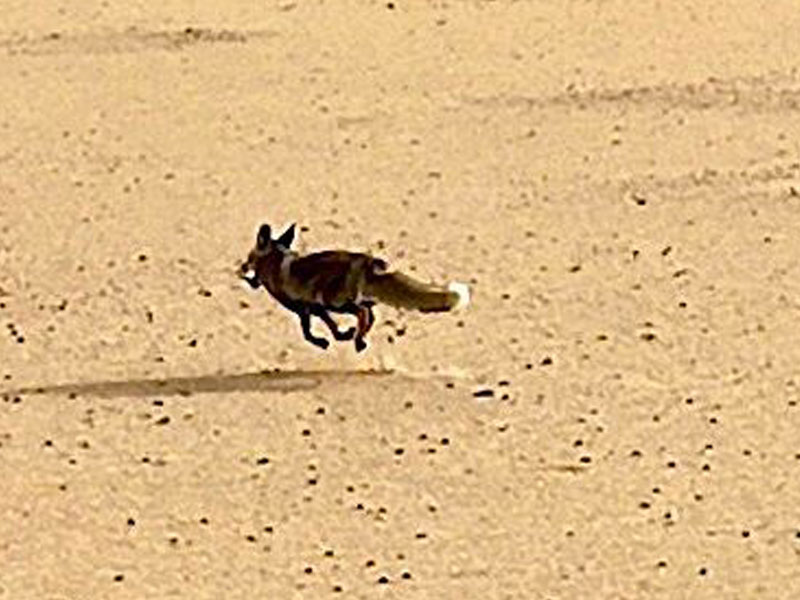
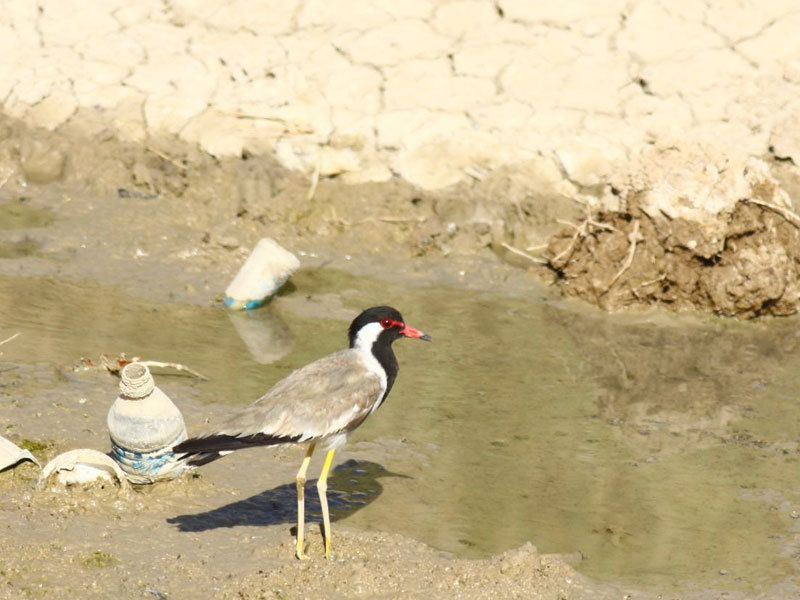
Assessing biodiversity in an EIA is essential to identify species and habitats at risk, inform mitigation measures, and ensure legal and regulatory compliance. It helps quantify potential ecosystem service losses, guide site selection and design to avoid sensitive areas, and support rehabilitation and offset planning. Integrating robust biodiversity data reduces project delays and liability by anticipating regulatory requirements and adaptive management needs. The following pictures document IECC’s biodiversity field surveys, habitat mapping, species inventories, and community-based assessment activities conducted as part of EIA studies .















Workshops pictures
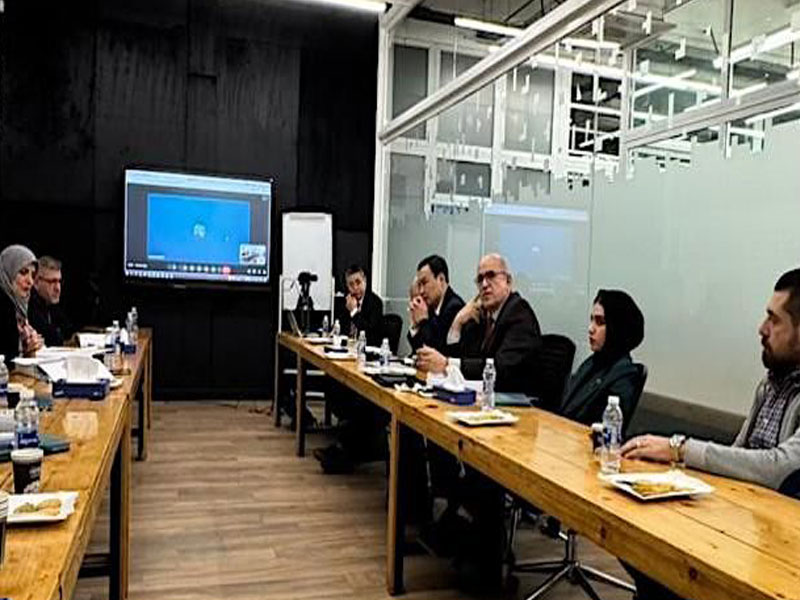
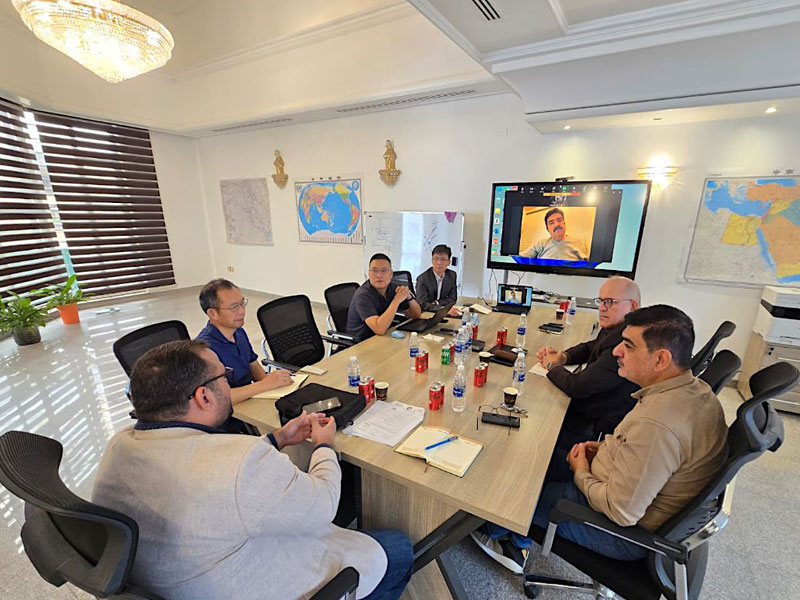
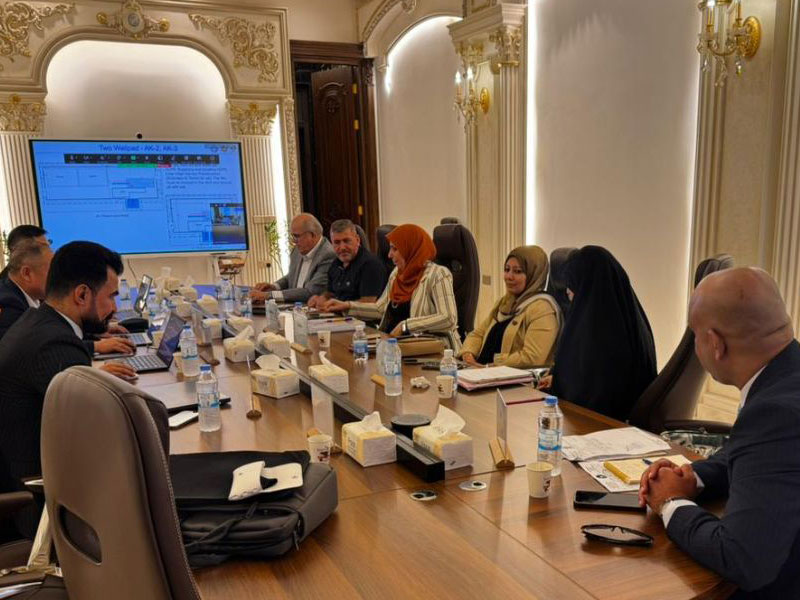
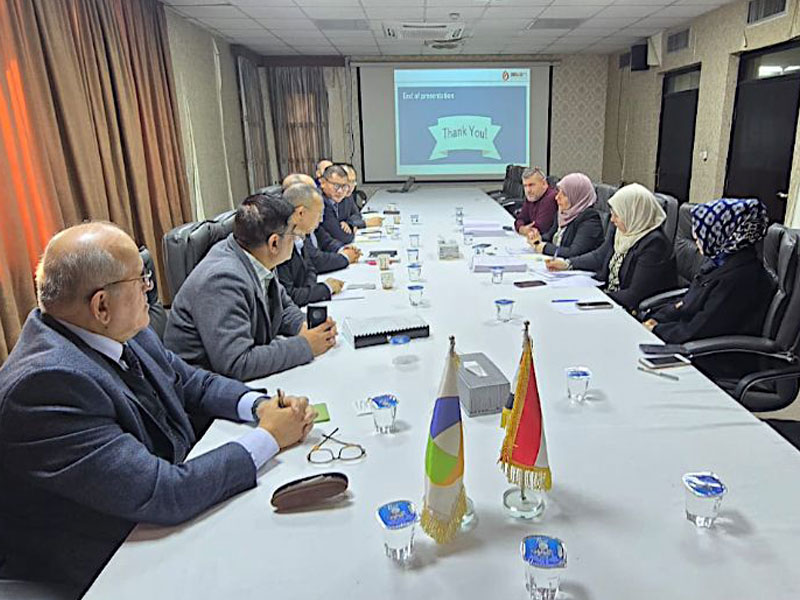
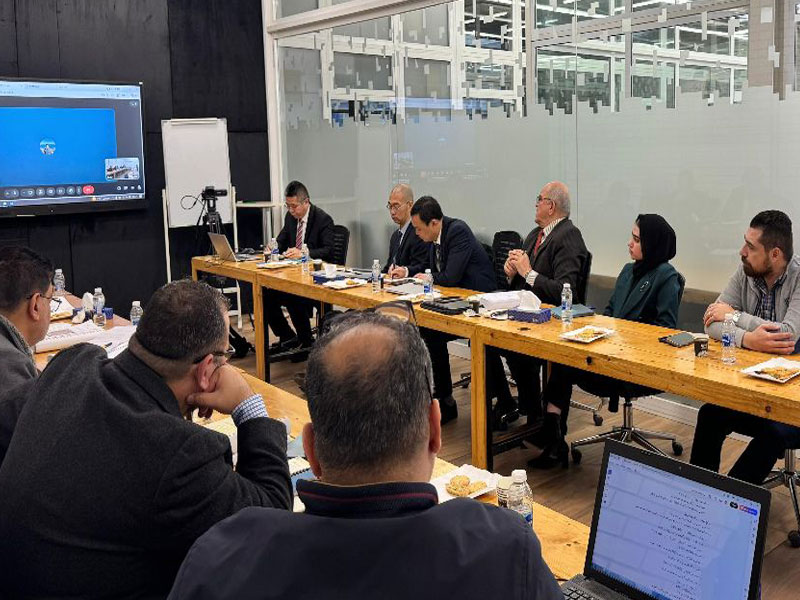
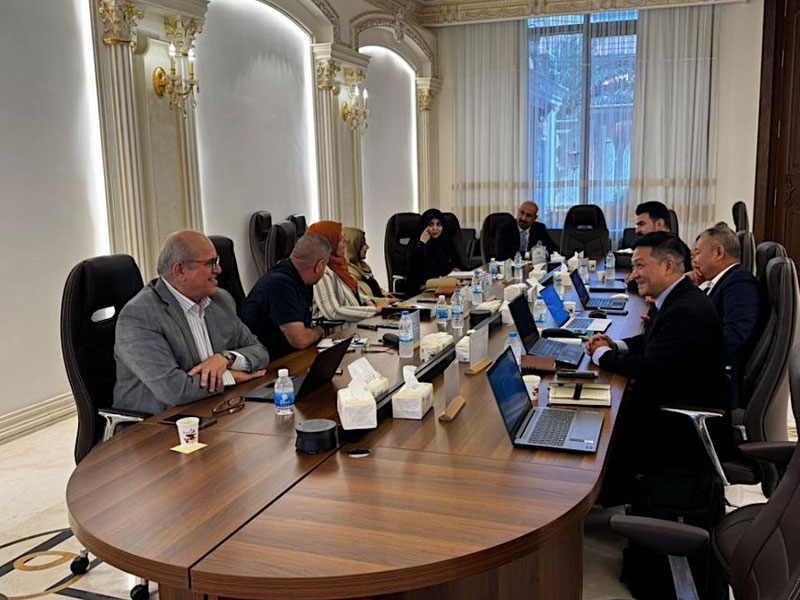
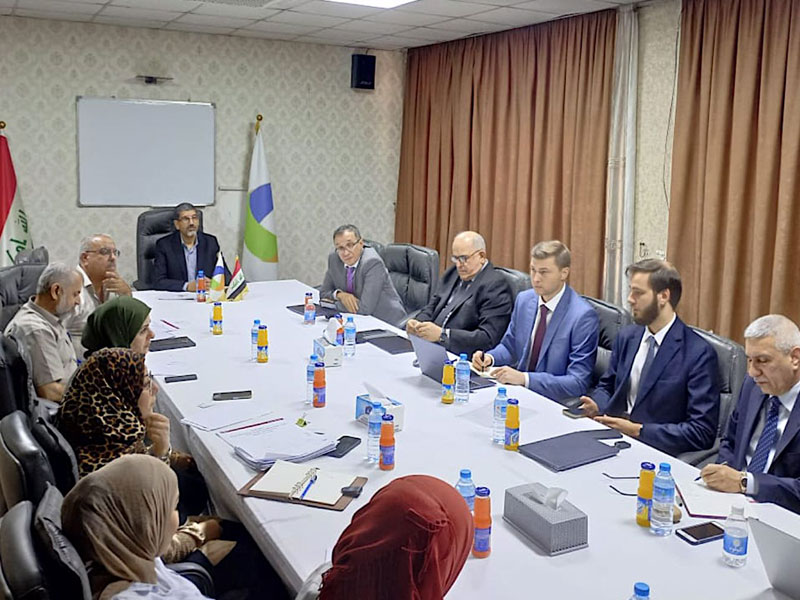
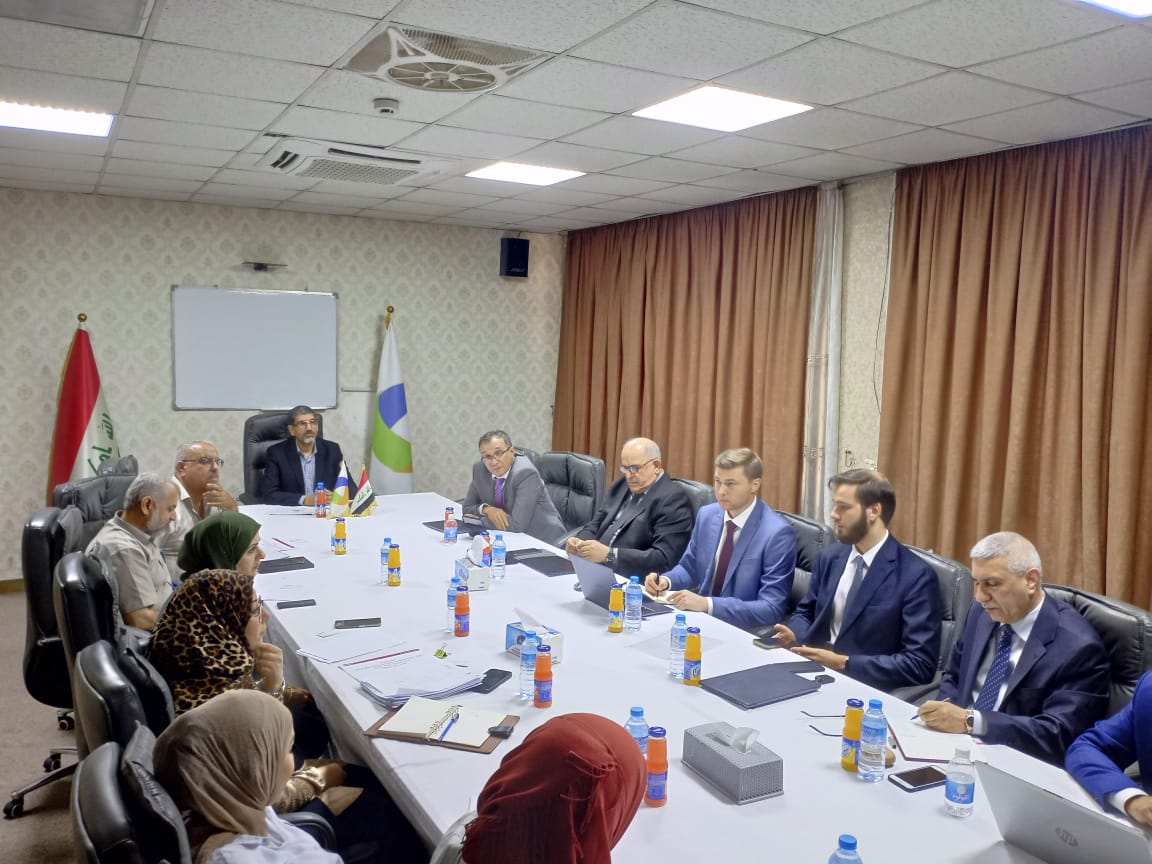
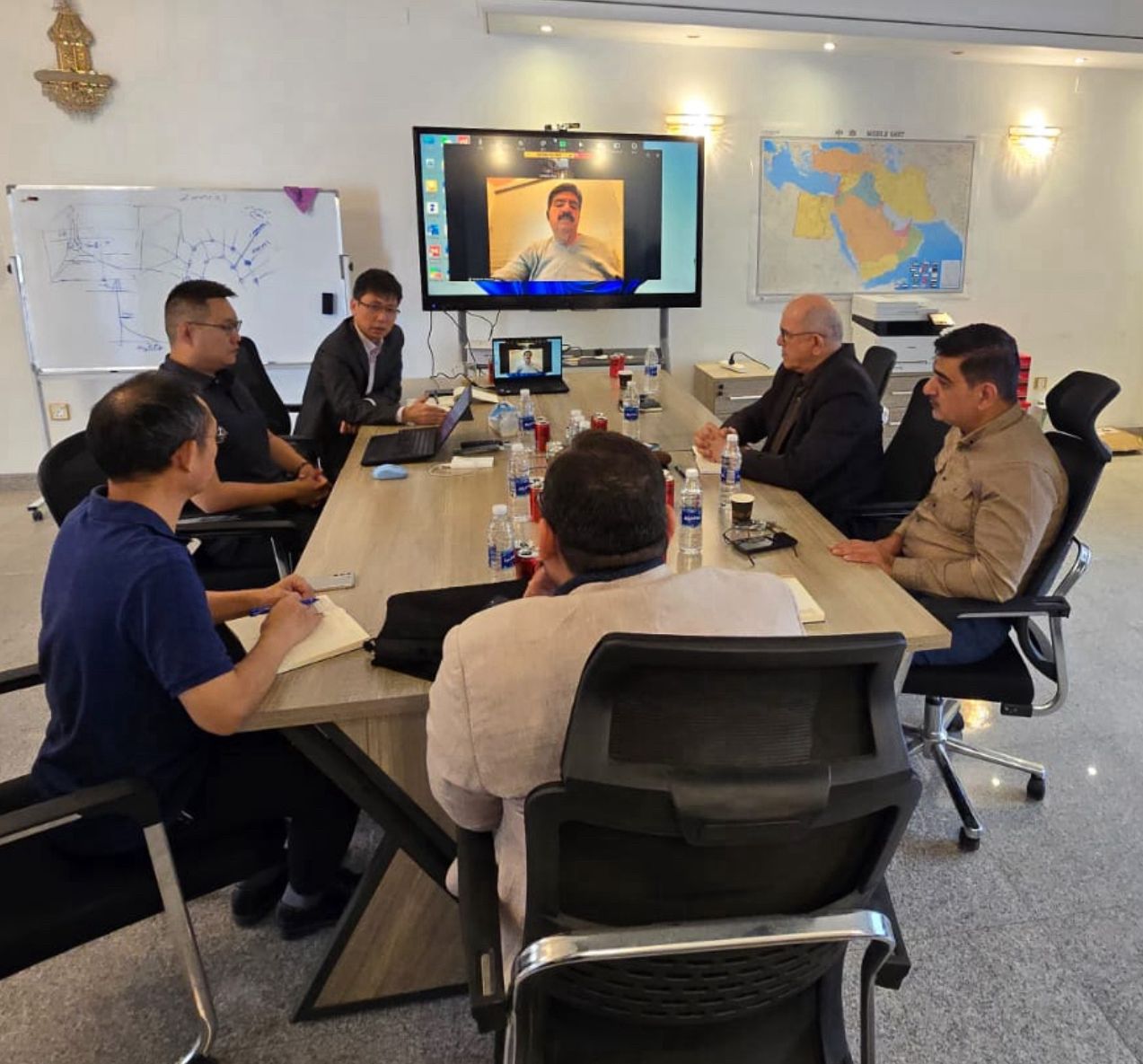
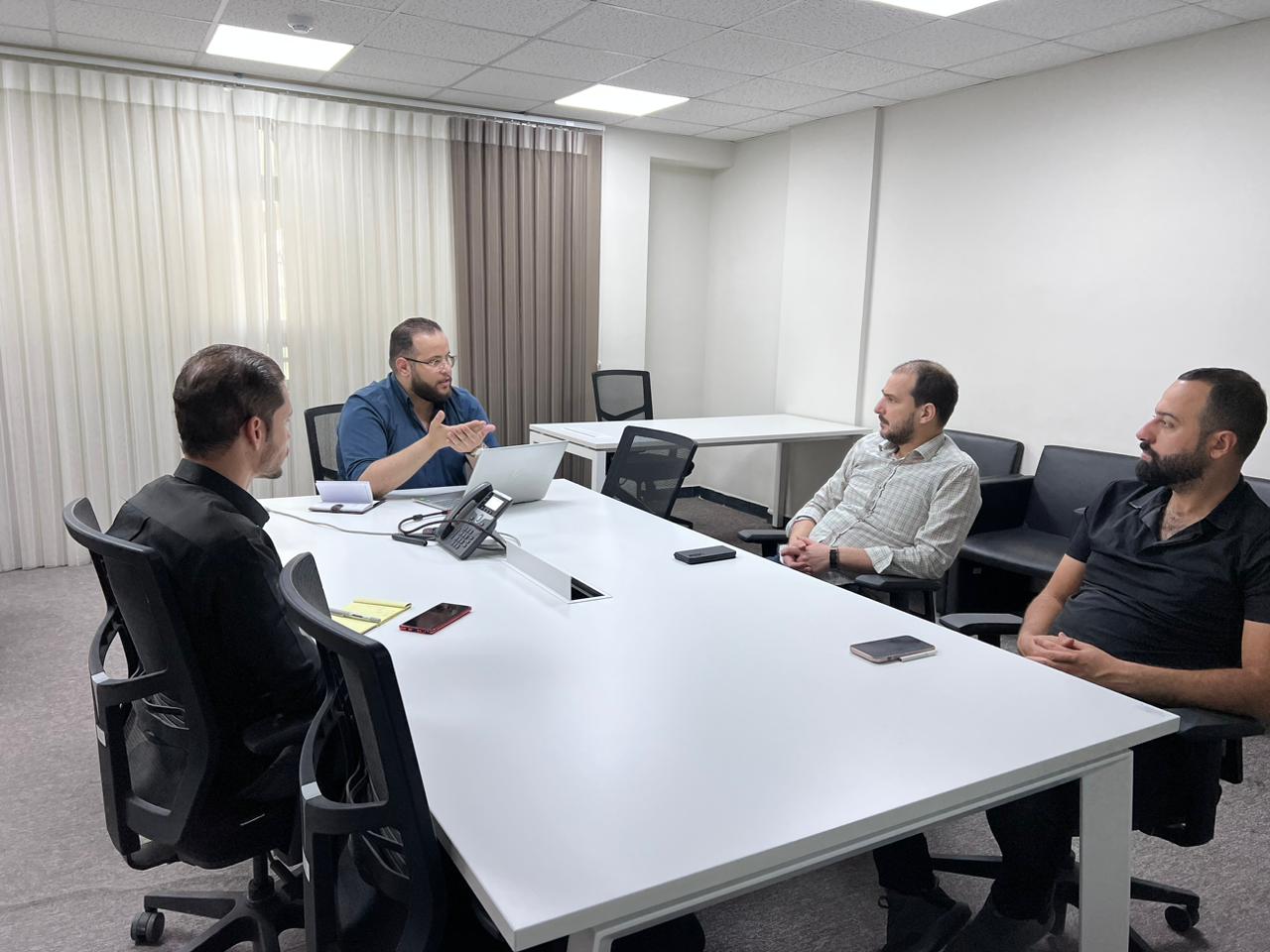
After IECC completes a project, the final report is submitted to the Client for review and approval. Once the Client approves the report, it will be submitted it to the Ministry of Oil and the Ministry of Environment. A joint workshop is then held with representatives from the Client, IECC, the Ministry of Oil, and the Ministry of Environment to discuss the report. Comments from the workshop are compiled and shared with the Client and IECC for inclusion in a revised report. Following incorporation of the workshop feedback, the Iraqi authorities issue formal approval of the revised project report.
Below are photos from some of our workshops.